[:en]The Hague, 08 November 2020 – Syrian women whose family members are missing face multiple challenges and need sustainable support to overcome these, representatives of Syrian civil society organizations (CSOs) said in a series of discussion sessions recently organized by the International Commission on Missing Persons (ICMP).
The discussions with women-led CSOs focus on ways in which Syrian civil society and the international community can support Syrian women with missing relatives. The discussion sessions, financed by the United Kingdom, were held around 25 November, are part of a larger IMP program to engage and promote the active engagement of Syrian Civil Society in the missing persons process.
Over 100,000 persons are missing as a result of the current conflict in Syria, according to estimates cited by the UN in 2019. In addition, Syria has a legacy of missing and disappeared persons cases linked to human rights abuses and other causes that occurred prior to the conflict, and Syrians who have fled the fighting have also gone missing along migratory routes.
Based on global trends regarding missing persons from conflict, human rights abuses and migration, and data collected by the ICMP from families of the missing in Syria, the majority of those missing in the context of Syria are men, which means there are large numbers of women and children survivors.
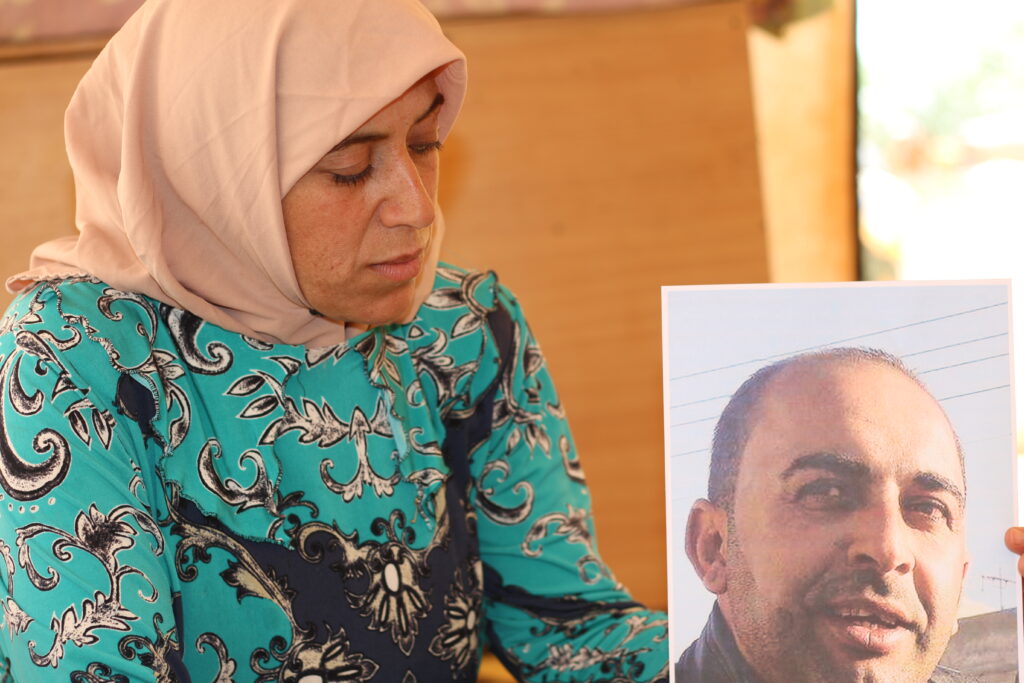
Participants in the discussion sessions highlighted the social, economic, legal and psychological challenges faced by Syrian women with missing family members. Because Syria’s traditional and legal system impedes women’s ability to access their rights, women with missing relatives often face difficulties in securing jobs and accessing services, and in tackling legal challenges related to custody of children, property and inheritance. Securing legal documentation is often an insurmountable challenge.
Women also often experience difficulties in engaging in the process of accounting for missing persons.
“Our role as CSOs is to transform families into partners who no longer are (passive) recipients of information, but active participants who can represent their own stories,” one participant said during a discussion session held online in November 2020.
Participants in the discussion sessions said they expect Syria’s protracted conflict to present women with missing relatives with changing and increasingly complex challenges and argued that quick action was needed. Women-led CSOs should strengthen their partnerships to better support women, and they should advocate for change in legislation that hinder women’s access to rights, they said.
In addition, the participants called for closer contacts between the Constitutional Committee and Syrian civil society to ensure that the issue of the missing is prioritized in negotiations. Participants in the discussion sessions underlined the need for targeted support. They welcomed opportunities offered by the international community, including ICMP, to learn about rights and develop skills to assert these rights.
Though most Syrians who go missing are men, women are also targeted in disappearances. The challenges they face were among topics discussed in a separate ICMP-facilitated seminar in which speakers noted that women who return home after having been missing often face stigma, sometimes so severe that they feel forced to leave their communities.
That event, also held in November with UK financial support, continued an ICMP-led process that provides a platform for Syrian CSOs and families to develop a shared vision on concrete measures that could be jointly undertaken to account for the missing. The first part of the process is summarized in the report Accounting or Missing Persons is an Investment in Peace: Policy Process with Syrian Civil Society Organizations and Families of the Missing, released in October 2020.
“The issue of missing persons affects women disproportionally,” ICMP Director-General Kathryne Bomberger said. “They must be actively supported to take on leadership roles to advance policies that will help a future Syria create a process that secures their human rights.”[:ar]لاهاي، ٨ كانون الأول (ديسمبر) 2020 – تواجه النساء السوريات من أسر الأشخاص المفقودين تحديات متعددة وهن بحاجة إلى دعم مستدام للتغلب عليها، حسبما قالت ممثلات من منظمات المجتمع المدني السوري في سلسلة من جلسات النقاش التي نظمتها مؤخرا اللجنة الدولية لشؤون المفقودين.
تركز جلسات النقاش مع منظمات المجتمع المدني التي تقودها النساء على السبل التي يمكن للمجتمع المدني السوري والمجتمع الدولي من خلالها دعم النساء السوريات من أسر الأشخاص المفقودين. تم عقد جلسات النقاش، الممولة من المملكة المتحدة، ابتداء من شهر تشرين الثاني وهي جزء من برنامج اللجنة الدولية لشؤون المفقودين لإشراك وتعزيز المشاركة الفاعلة للمجتمع المدني السوري في قضية الأشخاص المفقودين.
أكثر من مئة شخص هم في عداد المفقودين نتيجة النزاع الحالي في سوريا وفقًا لتقديرات الأمم المتحدة في عام 2019. بالإضافة إلى ذلك، لدى سوريا تاريخ من حالات الأشخاص المفقودين والمختفين المرتبطة بانتهاكات حقوق الإنسان والذين فقدوا أثناء هروبهم من القتال على طول طرق الهجرة وغيرها من الأسباب التي حدثت قبل الصراع الحالي.
استنادًا إلى المجرى العالمي المتعلق بالأشخاص المفقودين من الصراع وانتهاكات حقوق الإنسان والهجرة، والبيانات التي جمعتها اللجنة الدولية لشؤون المفقودين من عائلات المفقودين السوريين، فإن غالبية المفقودين في السياق السوري هم من الرجال، مما يعني وجود أعداد كبيرة من الناجين من النساء والأطفال.
سلط المشاركون في جلسات النقاش الضوء على التحديات الاجتماعية والاقتصادية والقانونية والنفسية التي تواجهها المرأة السورية التي فقدت أفراد من أسرتها. نظرًا لأن المنظومة التقليدية والقانونية تعيق قدرة المرأة على الوصول إلى حقوقها، غالبًا ما تواجه النساء اللواتي فقدن أقاربهن صعوبات في تأمين الوظائف والوصول إلى الخدمات، وفي معالجة التحديات القانونية المتعلقة بحضانة الأطفال والممتلكات والميراث. غالبًا ما يكون تأمين المستندات القانونية تحديًا لا يمكن التغلب عليه.
وكثيرا ما تواجه النساء أيضا صعوبات في الانخراط في عملية المحاسبة عن الاشخاص المفقودين.
قالت إحدى المشاركات خلال جلسات المناقشة التي عقدت عبر الإنترنت في تشرين الثاني 2020: “يتمثل دورنا كمنظمات مجتمع مدني في تحويل العائلات إلى شركاء فاعلين وناشطين يمكنهم تمثيل قصصهم الخاصة وليس فقط الى مقدمي معلومات”.
قالت المشاركات في جلسات المناقشة إنهم يتوقعون أن يؤدي الصراع الذي طال أمده في سوريا إلى تفاقم التحديات المتغيرة والمعقدة بشكل متزايد على النساء من عائلات المفقودين، وقالوا إن هناك حاجة لاتخاذ إجراءات سريعة. كذلك أكدت المشاركات إن منظمات المجتمع المدني التي تقودها النساء يجب أن تعزز شراكاتها لتقديم دعم أفضل للمرأة، وعليها أن تدافع عن تغيير التشريعات التي تعيق وصول المرأة إلى حقوقها.
بالإضافة إلى ذلك ، دعت المشاركات إلى توثيق الاتصالات بين اللجنة الدستورية والمجتمع المدني السوري لضمان إعطاء الأولوية لقضية المفقودين في المفاوضات. وأكدت المشاركات في جلسات المناقشة على الحاجة إلى دعم هادف. كذلك رحبت المشاركات بالفرص التي يوفرها المجتمع الدولي، بما في ذلك اللجنة الدولية لشؤون المفقودين، للتعرف على الحقوق وتطوير المهارات لتأكيد هذه الحقوق.
على الرغم من أن معظم السوريين المفقودين هم من الرجال، إلا أن النساء مستهدفات أيضًا في حالات الاختفاء. كانت التحديات التي يواجهونها من بين الموضوعات التي تمت مناقشتها في ندوة منفصلة يسرتها اللجنة الدولية لشؤون المفقودين والتي أشار خلالها المتحدثون إلى أن الناجيات غالبًا ما يواجهن وصمة عار شديدة مما يجبرهن على مغادرة مجتمعاتهن.
يأتي هذا النشاط ضمن مجموعة الجهود التي تقودها اللجنة الدولية لشؤون المفقودين والتي توفر منصة لمنظمات المجتمع المدني السورية والأسر من عائلات المفقودين لتطوير رؤية مشتركة حول التدابير الملموسة التي يمكن اتخاذها بشكل مشترك لكشف مصير المفقودين. تم تلخيص الجزء الأول من العملية في تقرير تحت مسمى “المحاسبة لأجل الأشخاص المفقودين هو استثمار في السلام: آليات السياسات مع منظمات المجتمع المدني السوري وعائلات المفقودين” الصادر في أكتوبر 2020.
“قضية الأشخاص المفقودين تؤثر على النساء بشكل غير متناسب” قالت المديرة العامة للجنة الدولية لشؤون المفقودين كاثرين بومبرغر وأضافت “يجب دعم النساء لتولي أدوار قيادية لتعزيز السياسات التي ستساعد سوريا في المستقبل على خلق عملية تضمن حقوق الإنسان الخاصة بهن”.[:]