DNA
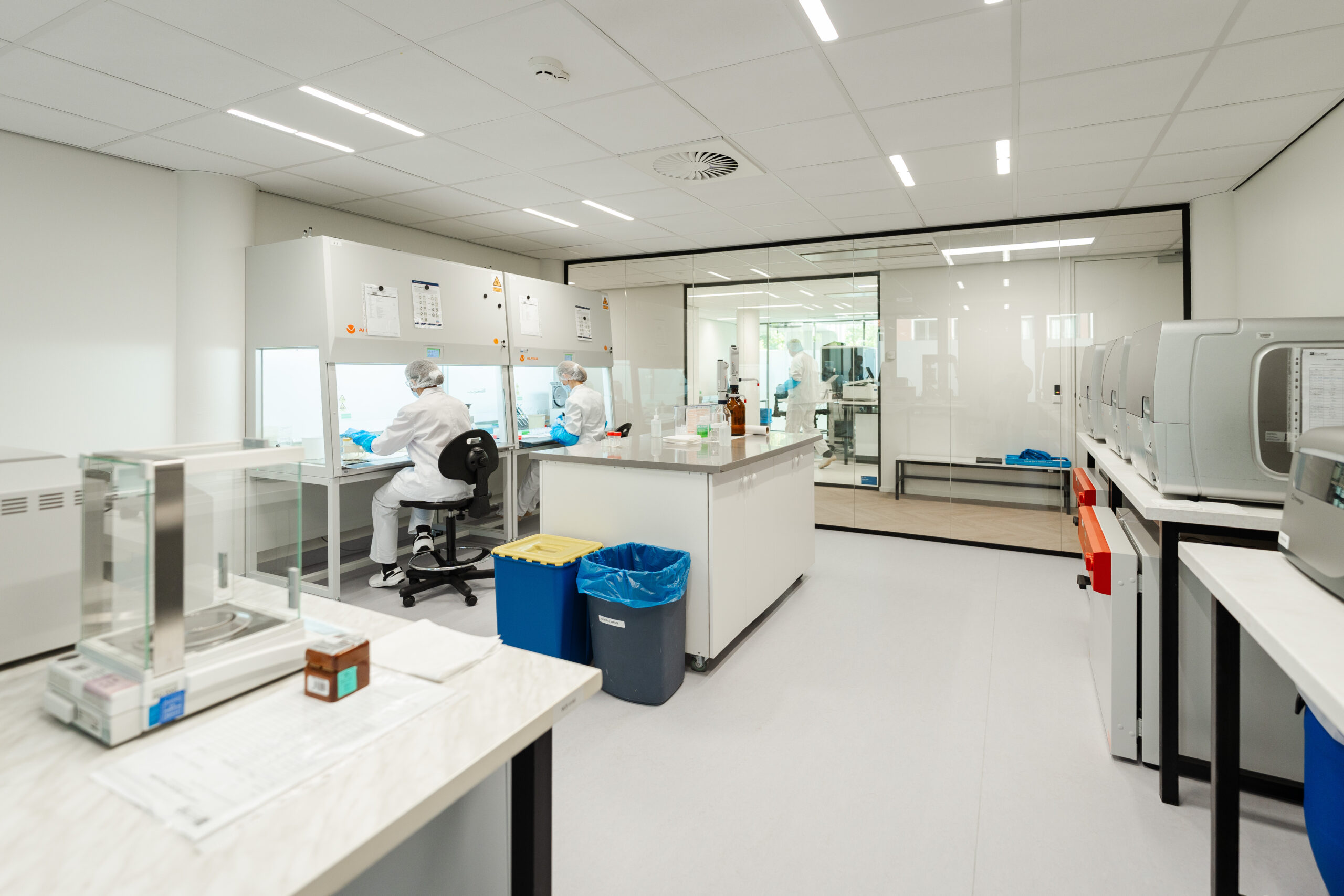
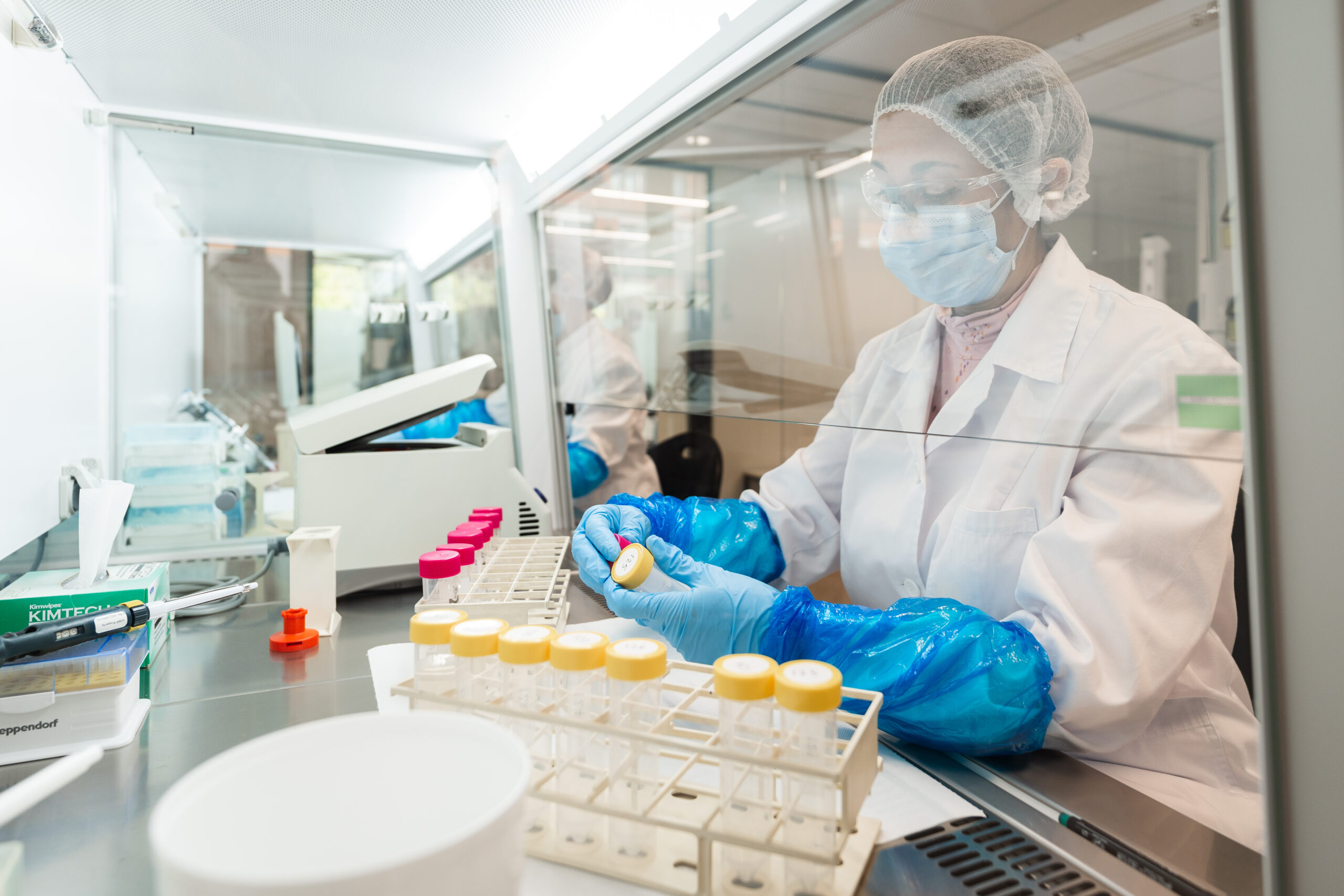
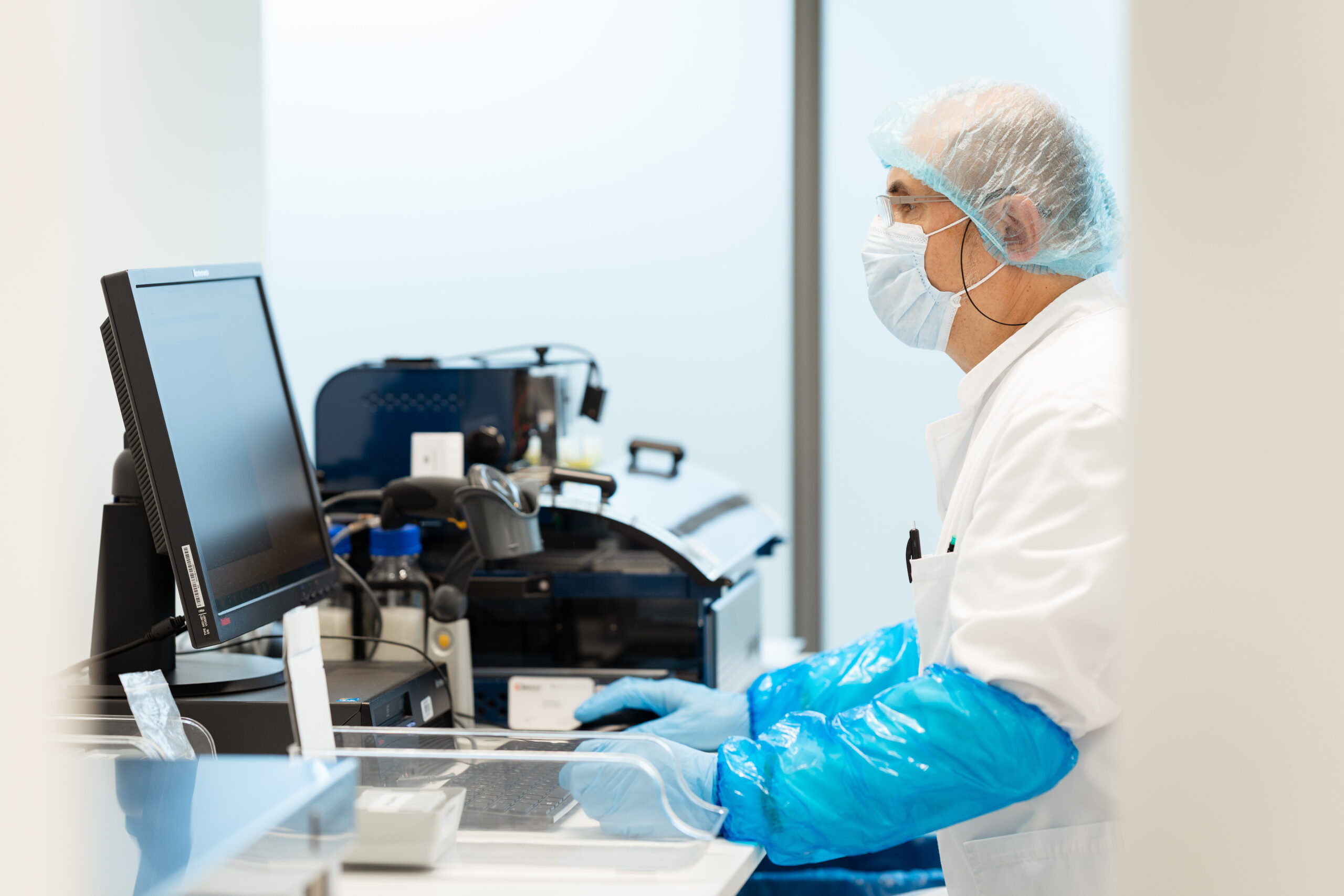
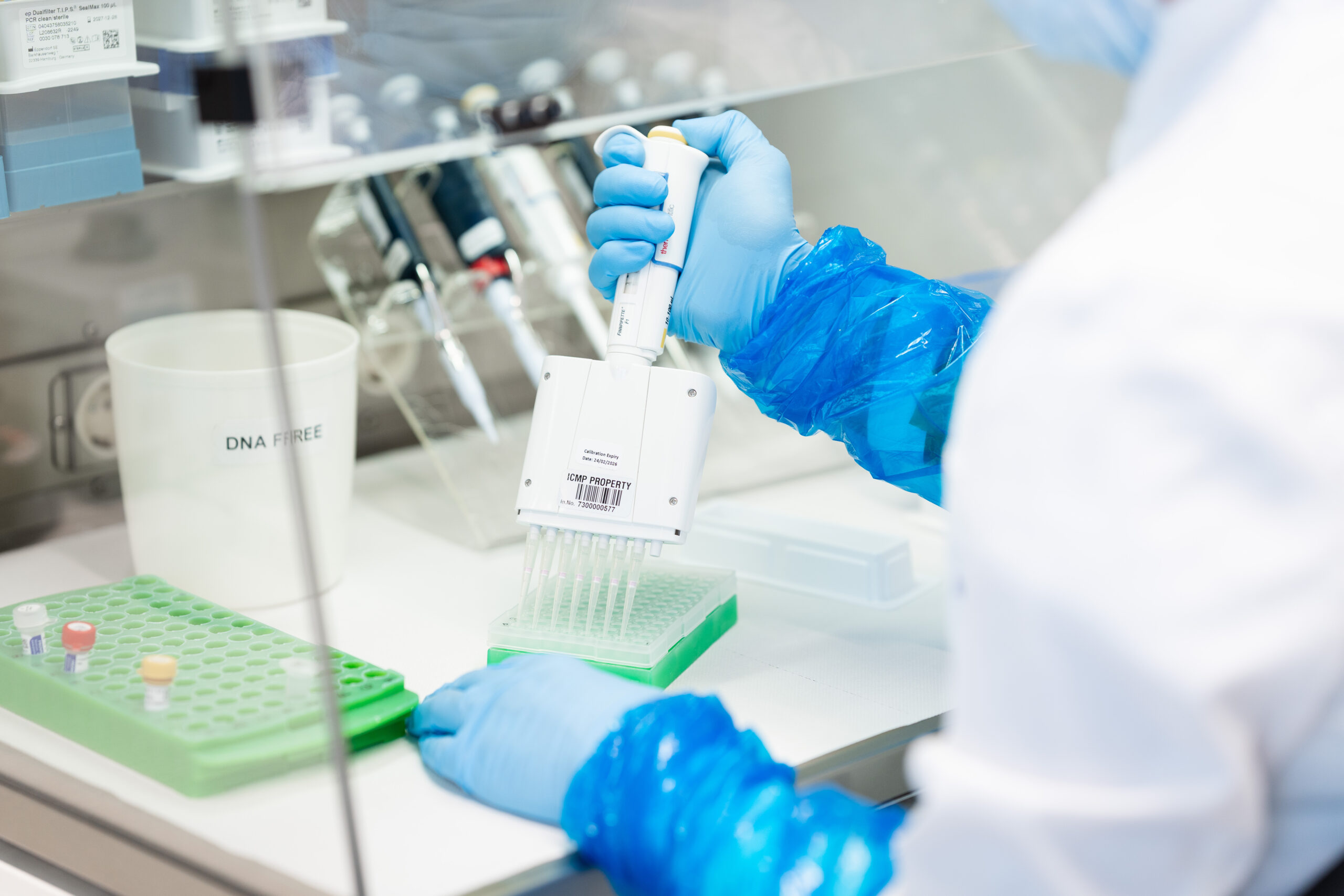
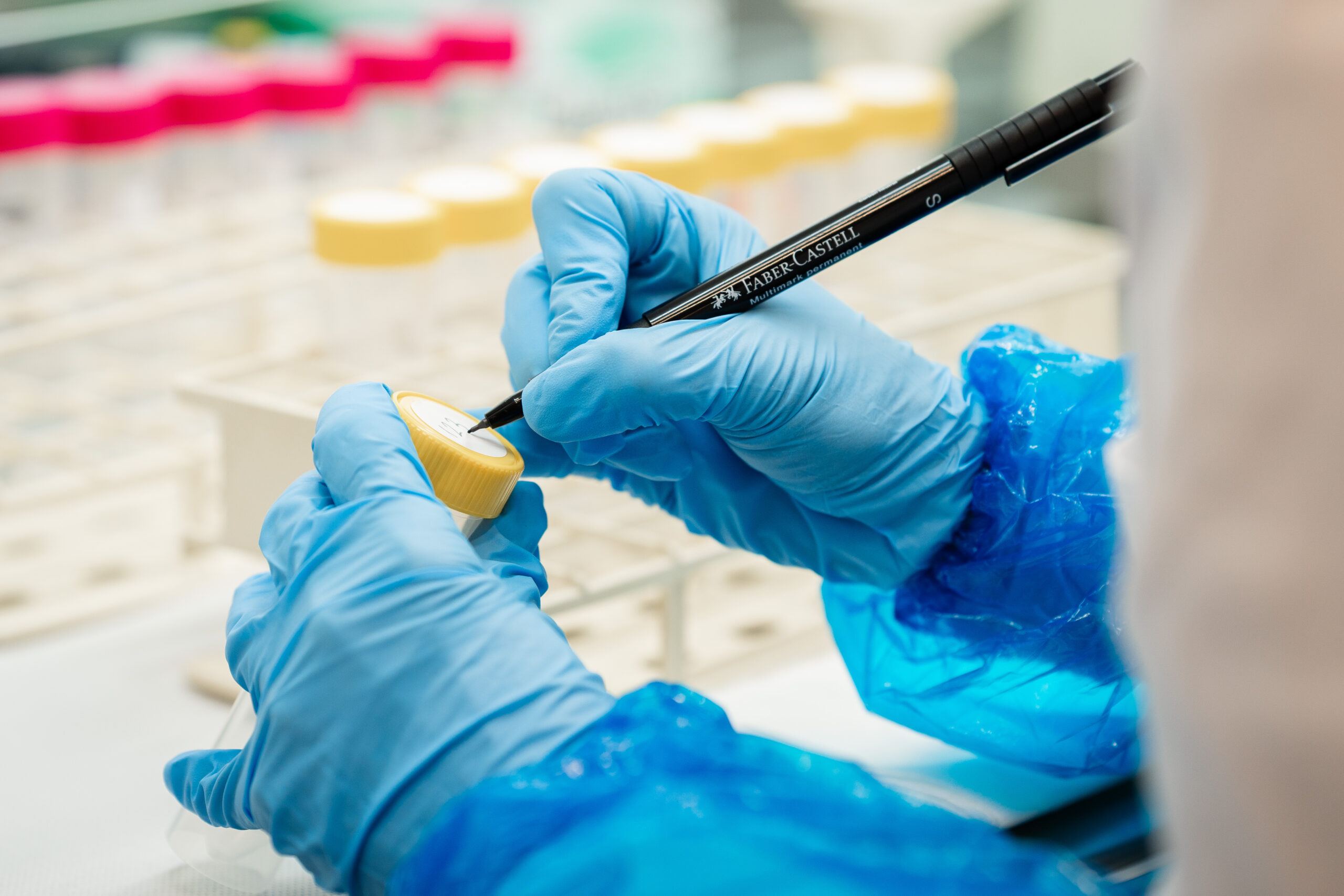
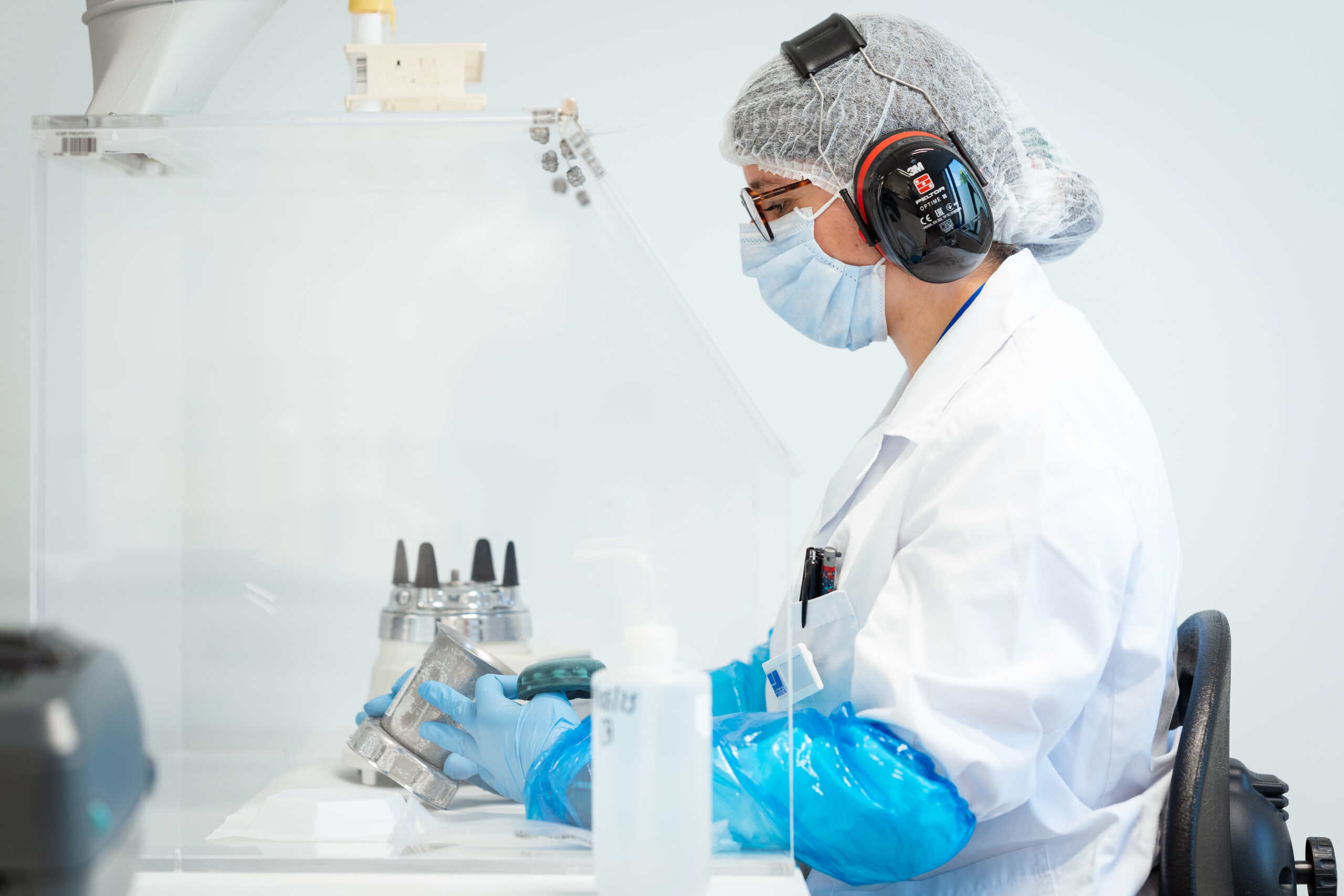
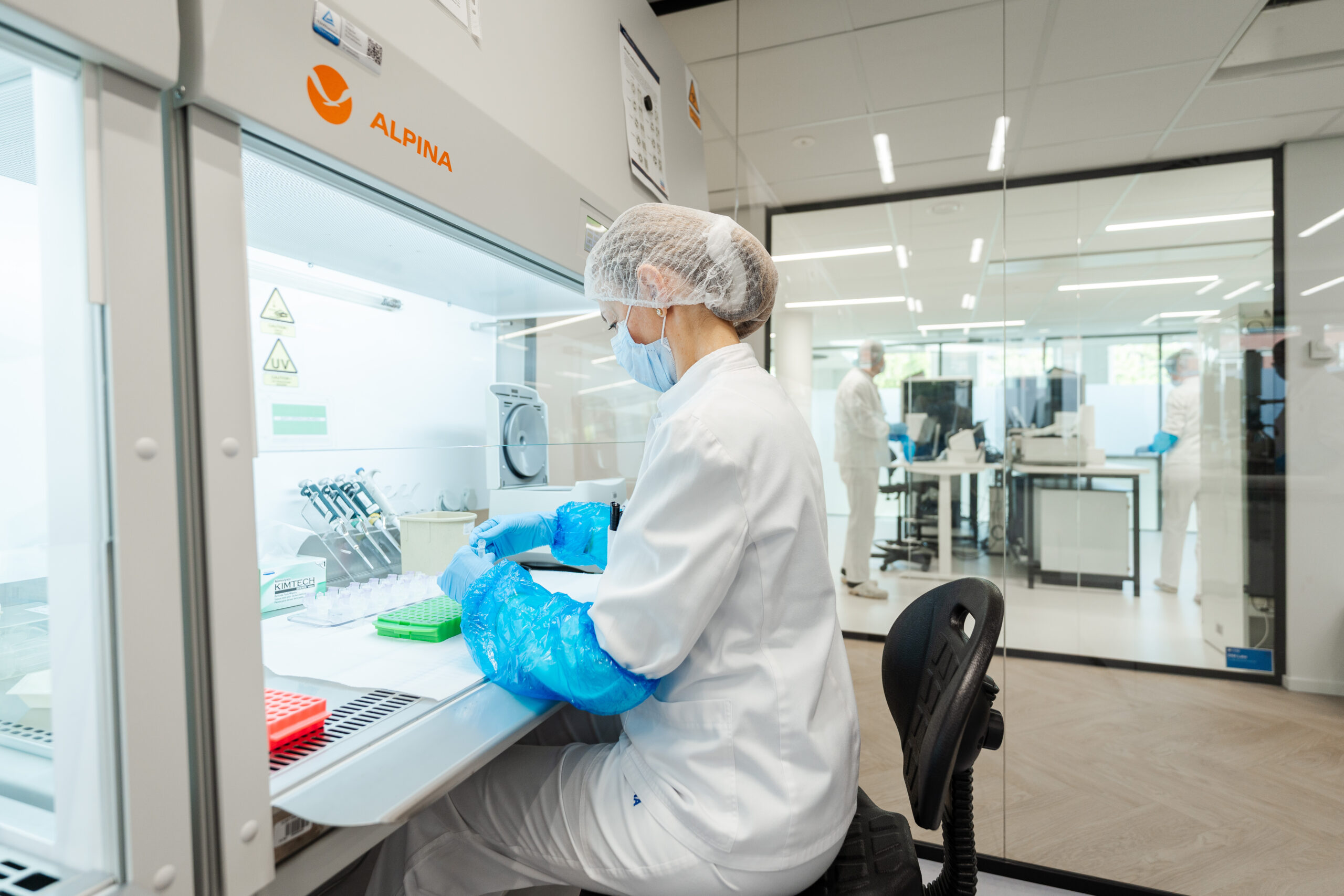
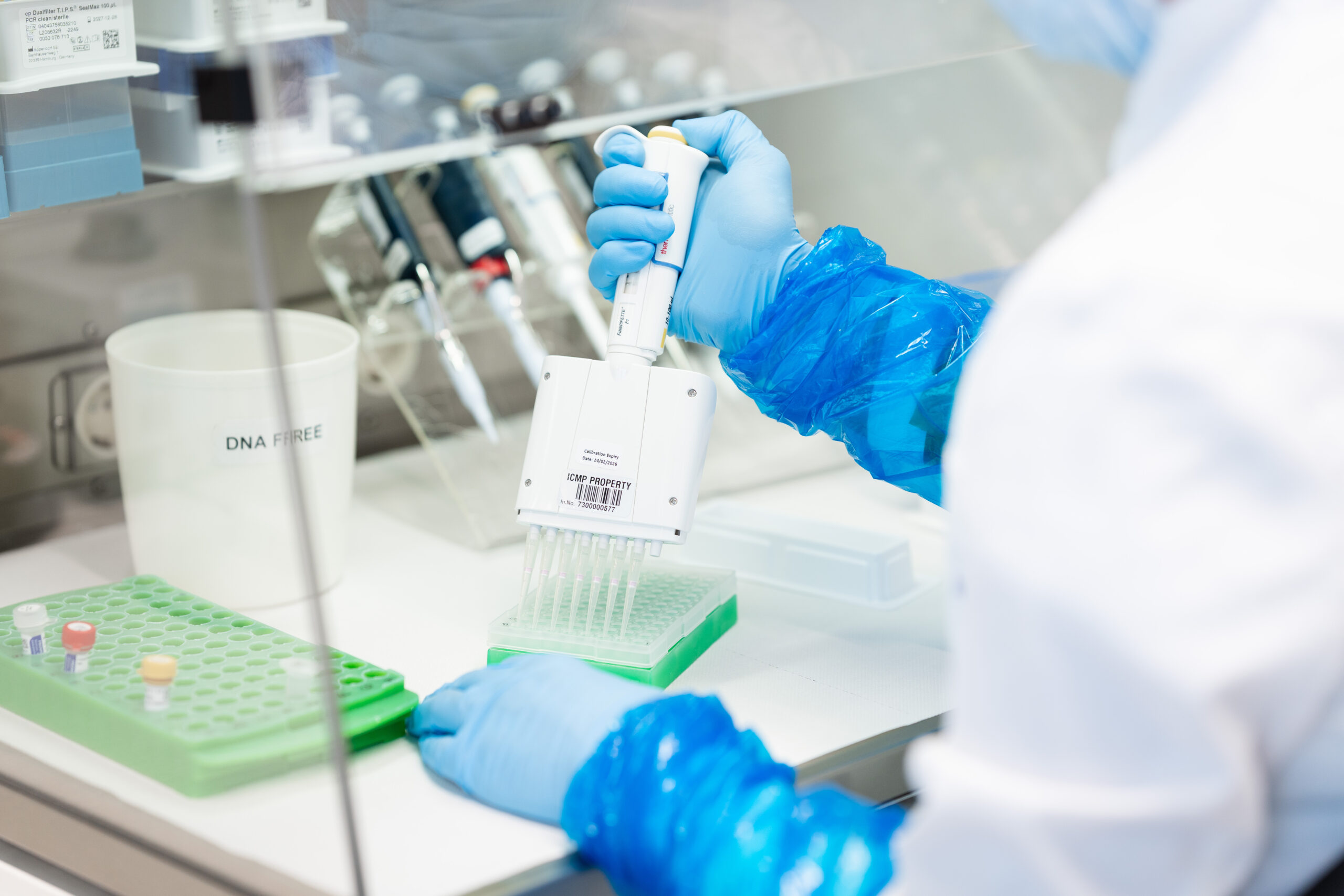
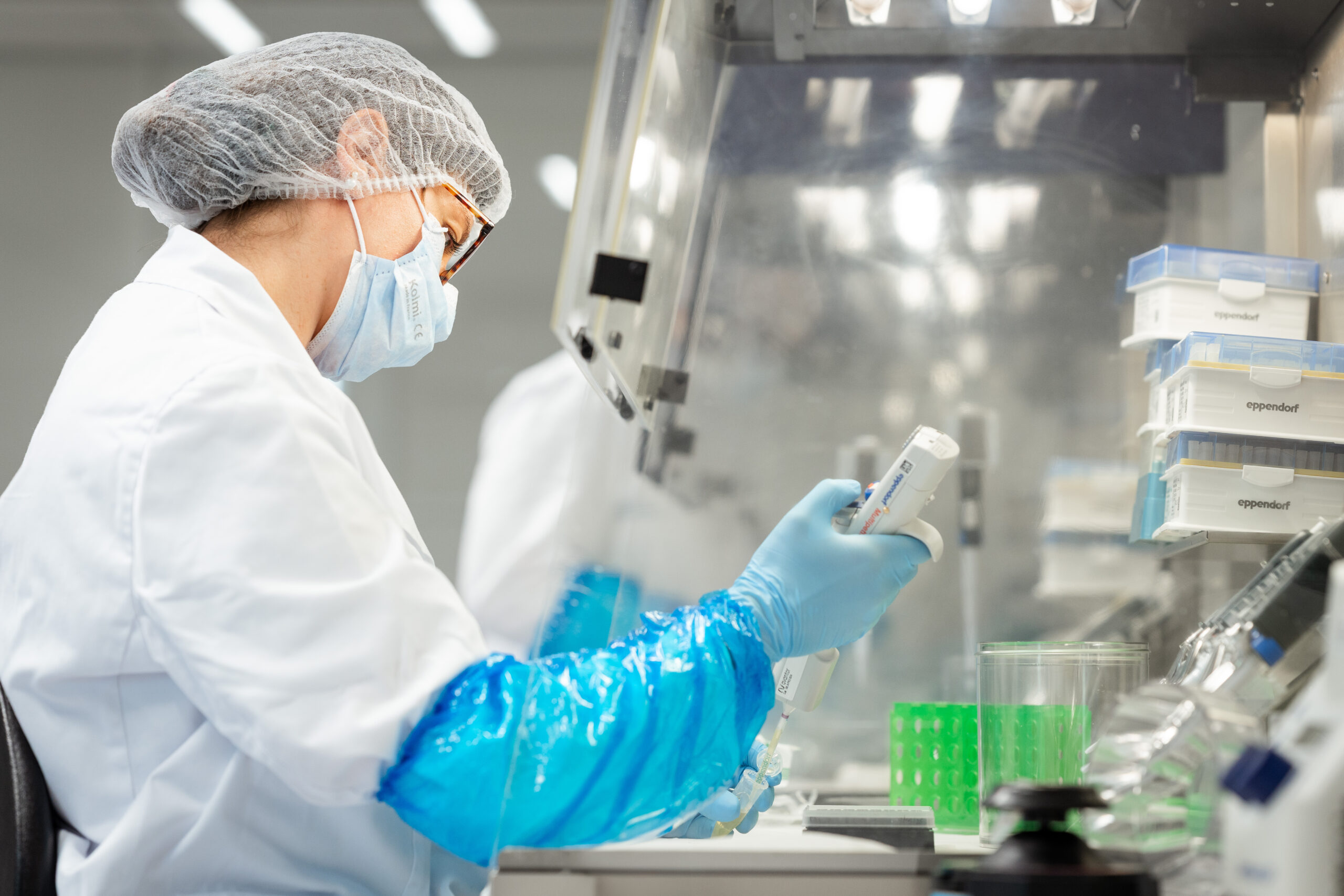
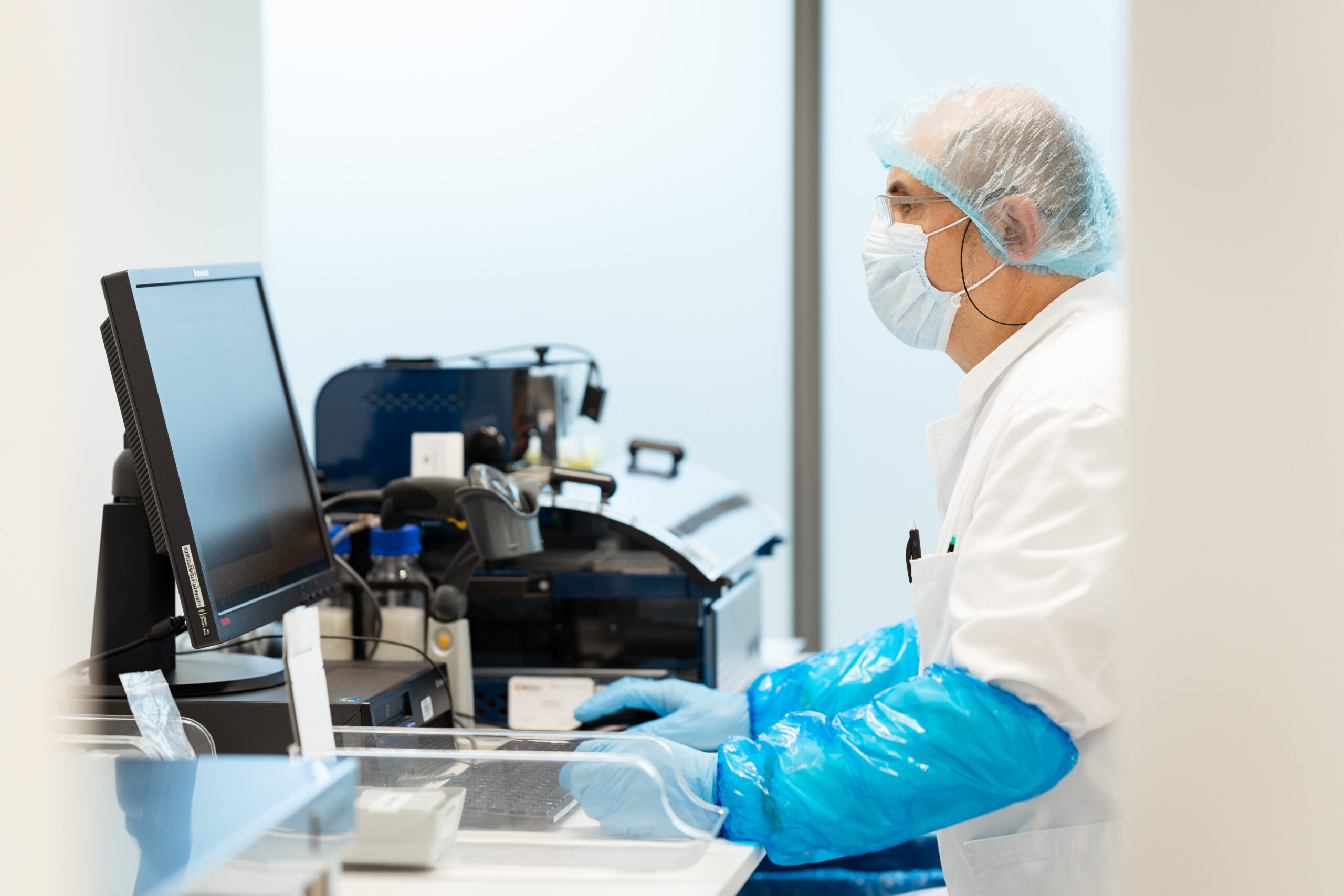
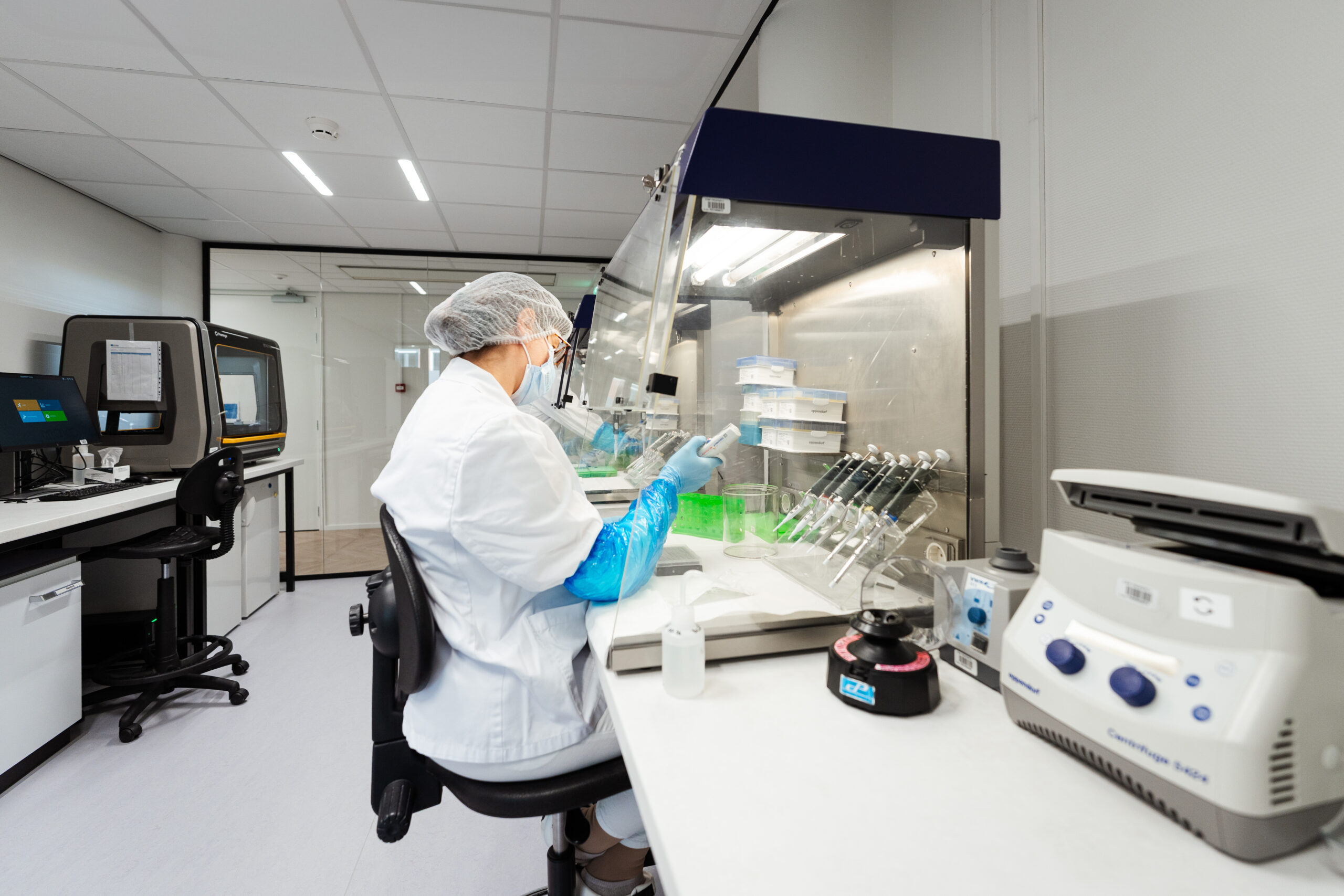
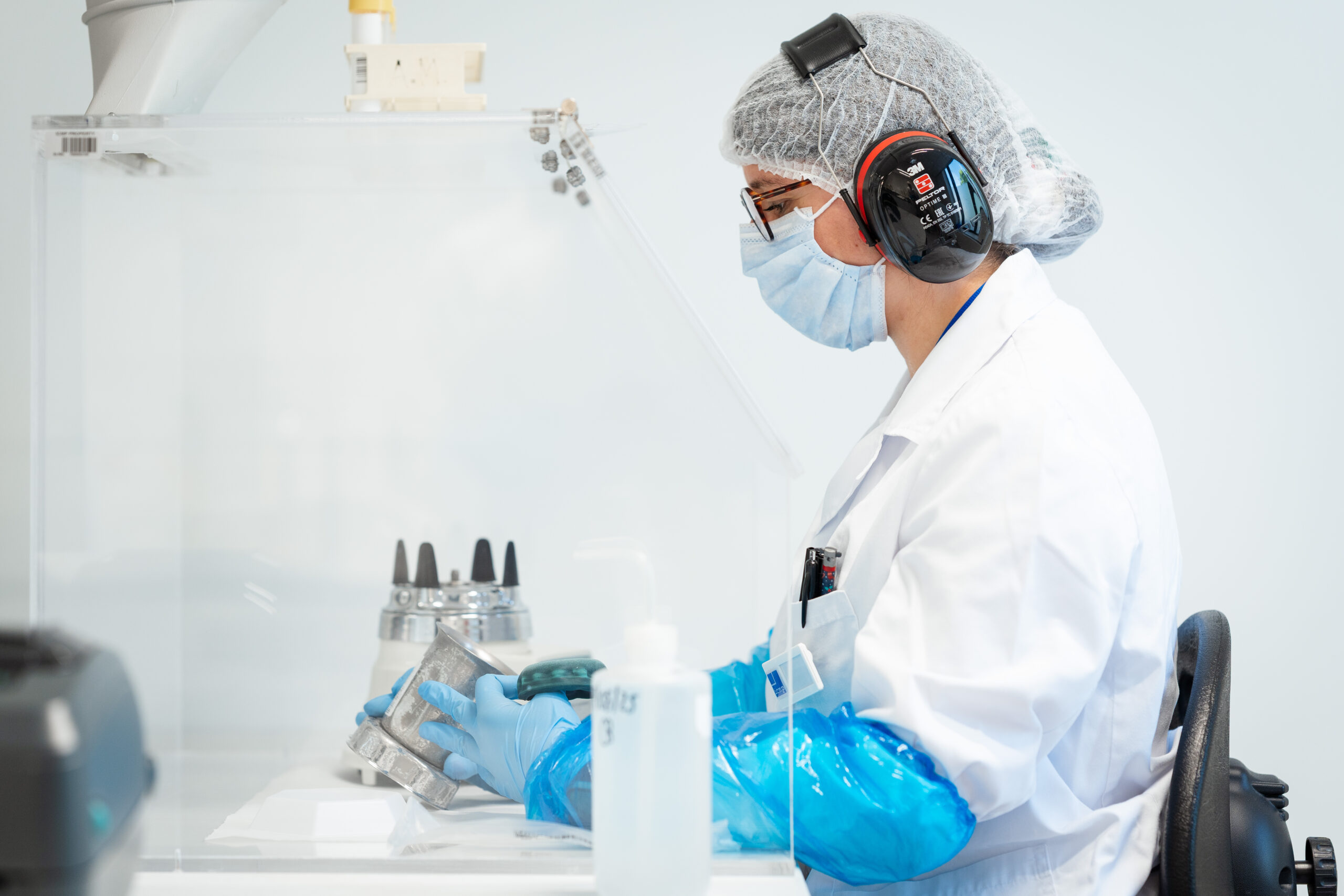
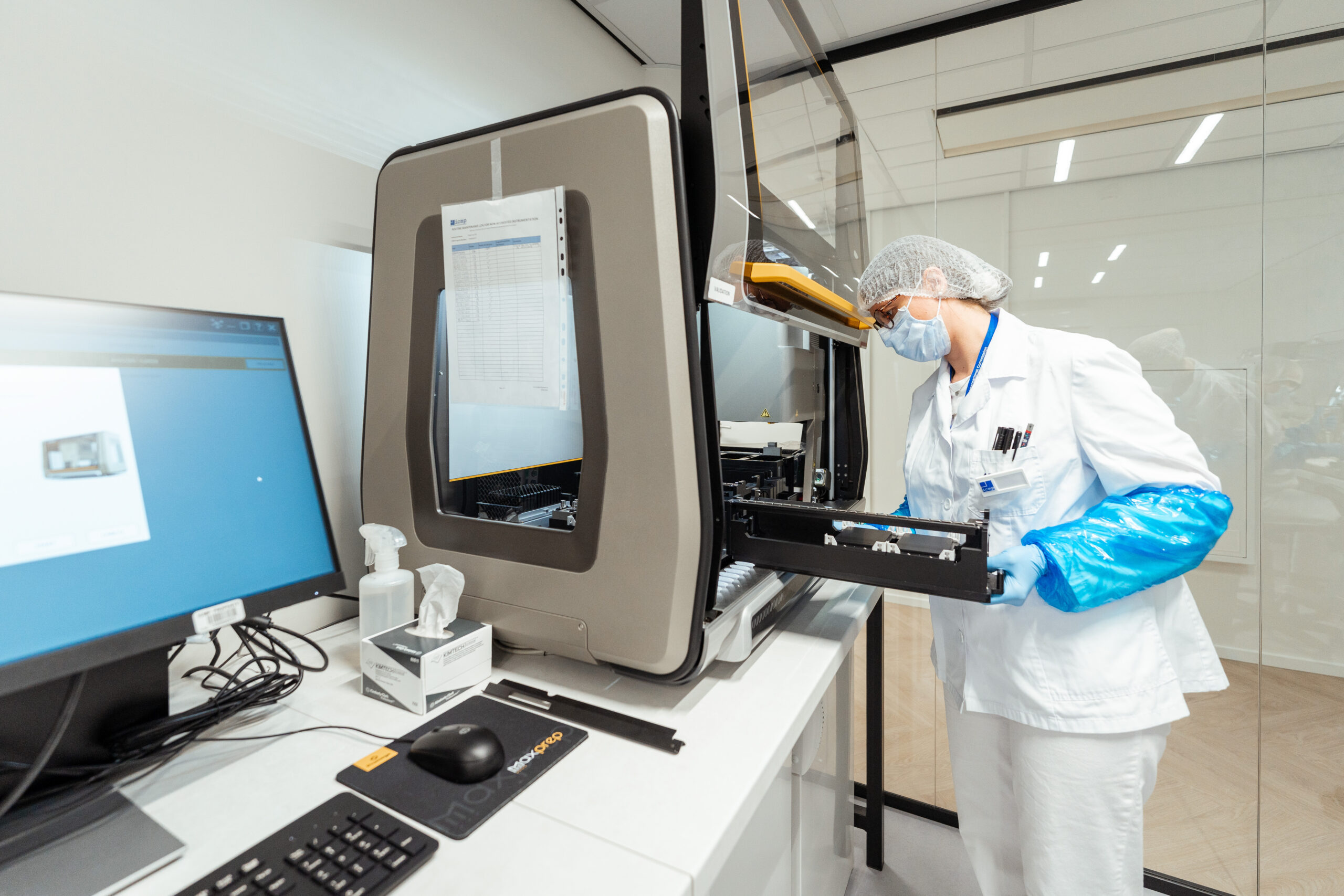
ICMP’s DNA Laboratories, located at its headquarters in The Hague, specialize in DNA testing of heavily degraded skeletal remains using the latest techniques.
As one of the world-leaders in DNA profiling and sequencing of bone samples, ICMP’s DNA Laboratories maintain a standing capacity for both postmortem and reference samples for governments and partners to call upon – often at short notice in response to conflicts or natural disasters.
The Team of 20 also work closely with other laboratories and academic institutions around the world in support of the continuous developments of techniques and subject matter expertise, leading to improved, quality assured and sustainable DNA testing provision.

ICMP’s DNA Laboratories value your feedback. Click here or scan the QR to access our Stakeholder Satisfaction Survey – we want to hear from you!
Quality Management System
 ICMP’s DNA Laboratories are accredited by the Dutch Accreditation Council (Raad voor Accreditatie – RvA) to the international standard EN ISO/IEC 17025:2017 for DNA testing in missing persons investigations.
Please visit RvA’s website, or click here, for further information of ICMP’s accreditation (Registration Reference L641).
ICMP’s quality culture and commitment to continuous self-monitoring and improvement are not only fundamental to its own accredited Quality Management System, but are the foundation of ICMP’s training, technical support and scientific guidance to other DNA testing laboratories around the world.