Forensic Archaeology and Anthropology
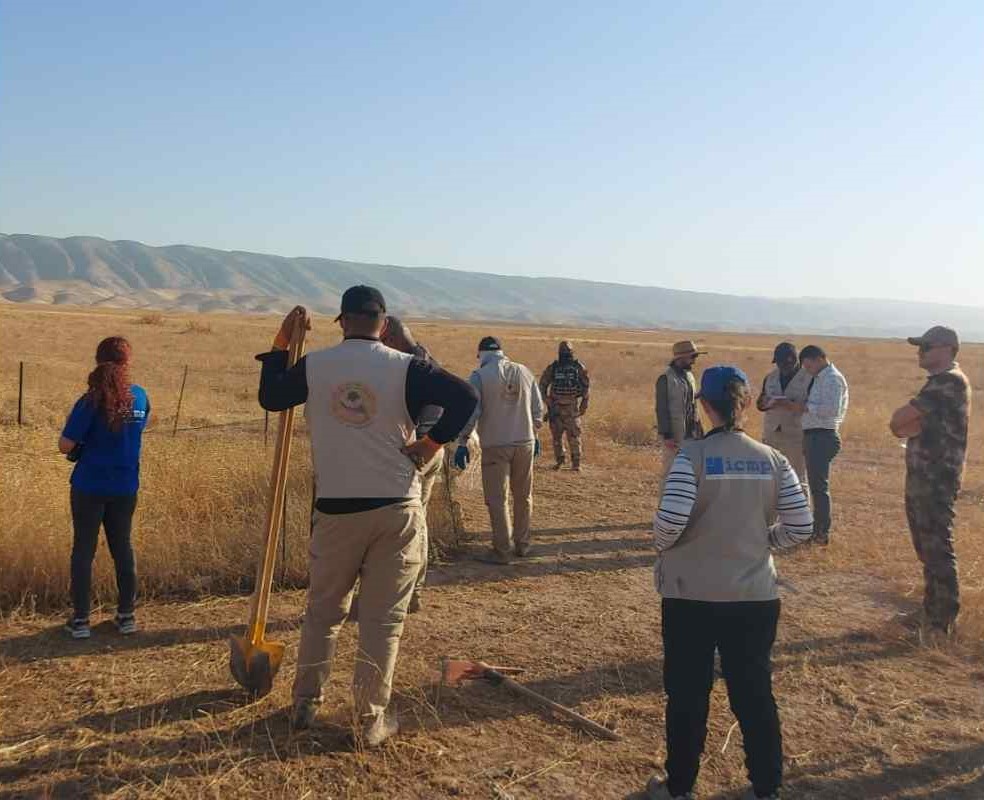
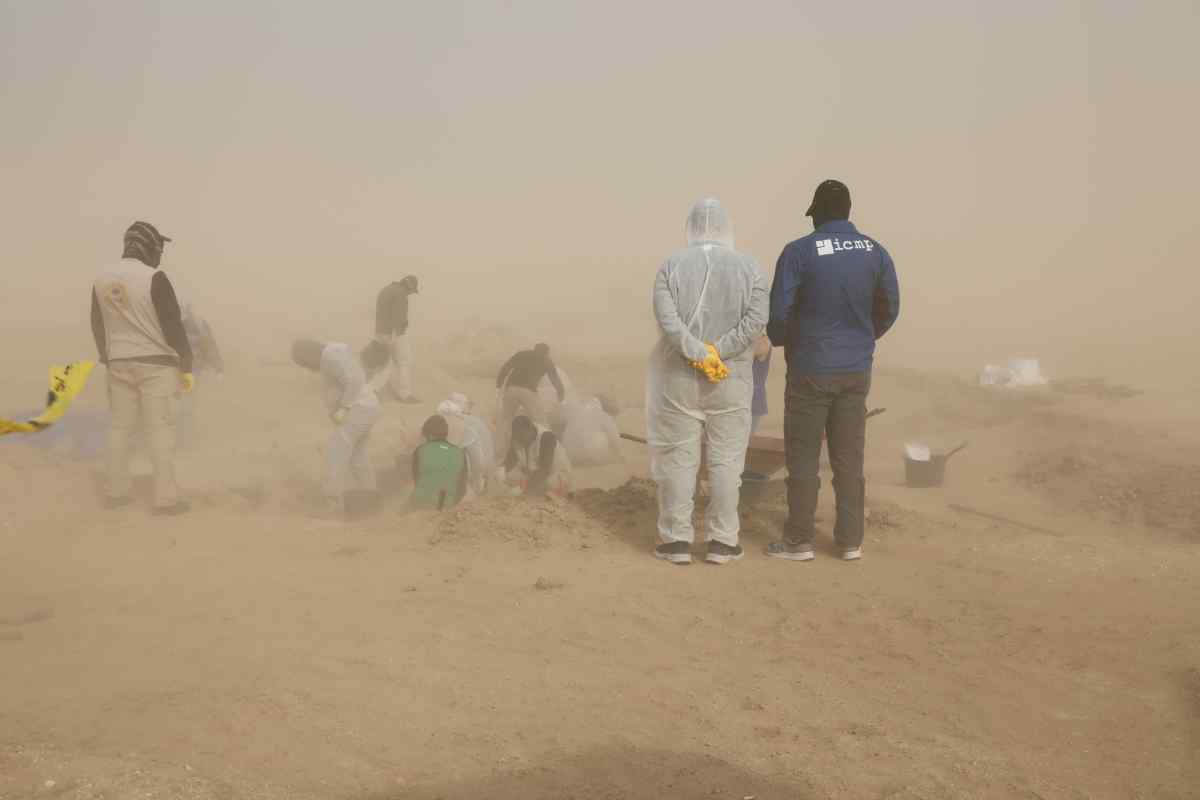
Forensic archaeology is a specialized field within forensic science that applies archaeological methodologies to locate, investigate, and recover various forms of concealed physical evidence, including human remains.
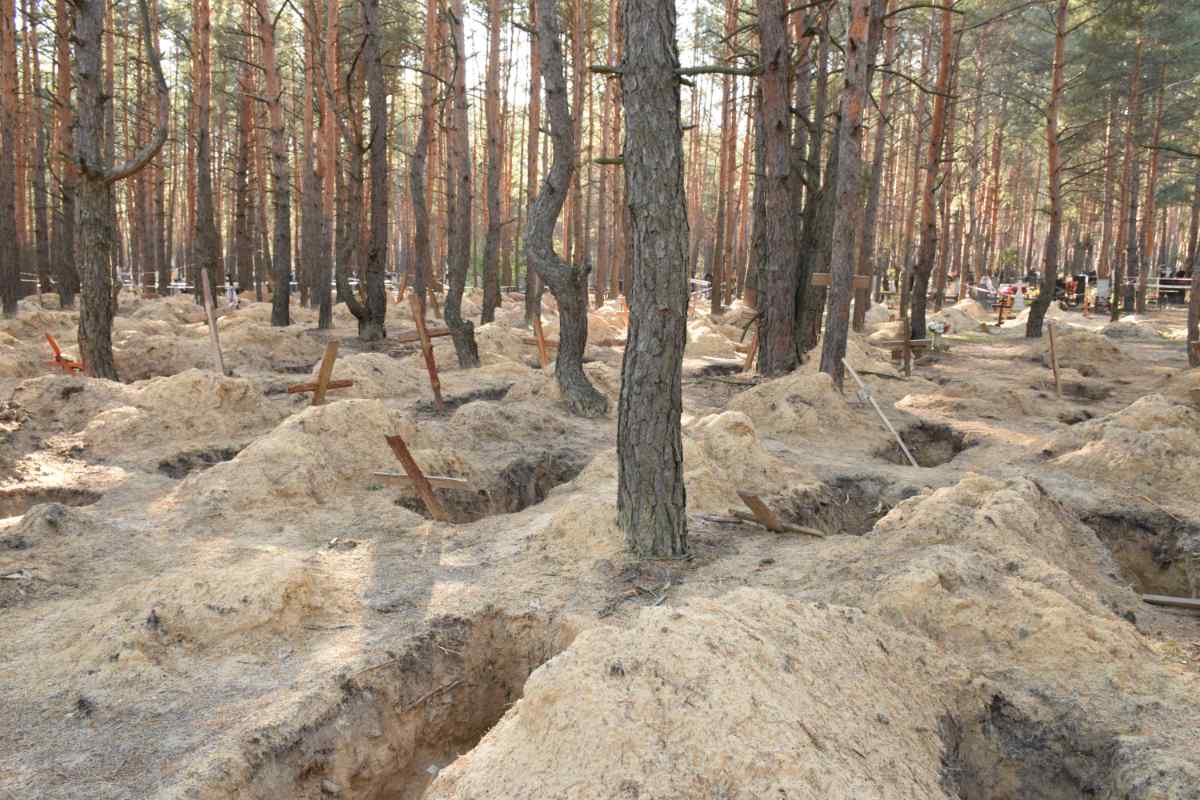
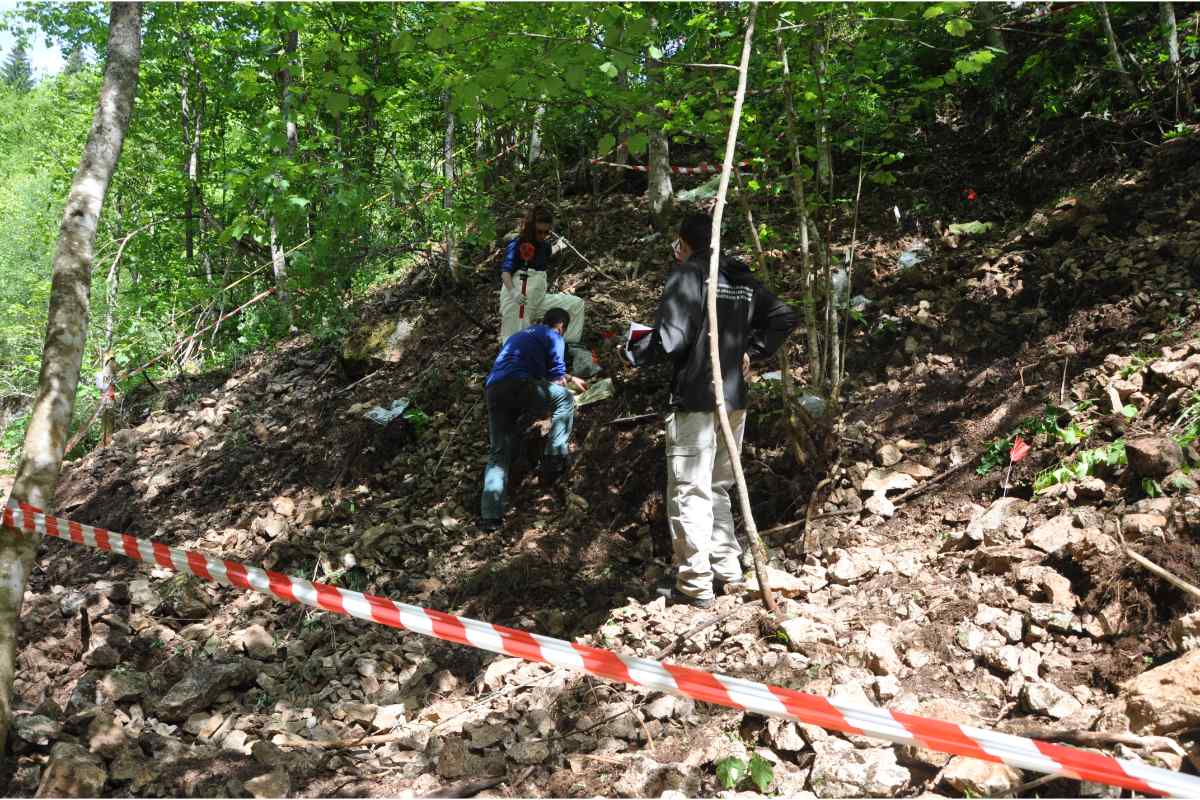
This expertise is particularly relevant in cases involving the recovery of differentially preserved human remains from single, multiple, or mass clandestine graves, as well as cases dealing with surface remains.
In missing persons investigations, forensic archaeologists apply their skills and knowledge to identify evidence and reconstruct the dynamics of the crime scene. This entails determining the location, timing, and method of human remains disposal, while collecting evidence that may help to establish the identity of the deceased and potentially play a role in identifying the perpetrator(s).
Forensic anthropology is a branch of forensic science that applies osteological expertise and adheres to anthropological best practice in the examination and analysis of differentially preserved human remains recovered in forensic contexts.
In missing persons investigations, forensic anthropologists use their skills and expertise to contribute to establishing identity by developing a biological profile and assessing other potential skeletal and dental identifiers. Additionally, they contribute valuable information about the events or circumstances that occurred at or around the time of death, by documenting and interpreting skeletal trauma and taphonomic changes.
Information provided by forensic archaeologists and forensic anthropologists can hold both evidentiary and investigative significance, often serving dual purposes.
Activities
ICMP’s Archaeology and Anthropology Division activities collectively contribute to the overarching mission of ICMP’s Archaeology and Anthropology Division in assisting with the identification and resolution of missing persons cases, ultimately helping to provide closure for affected families and communities.
ICMP’s Archaeology and Anthropology Division undertakes the following activities:
- Conducting desk-based analyses and critically evaluating available data to establish geo-spatial and temporal patterns that may aid in identifying potential sites to investigate.
- Analyzing aerial imagery to detect anomalies that may indicate the presence of clandestine graves or burial sites;
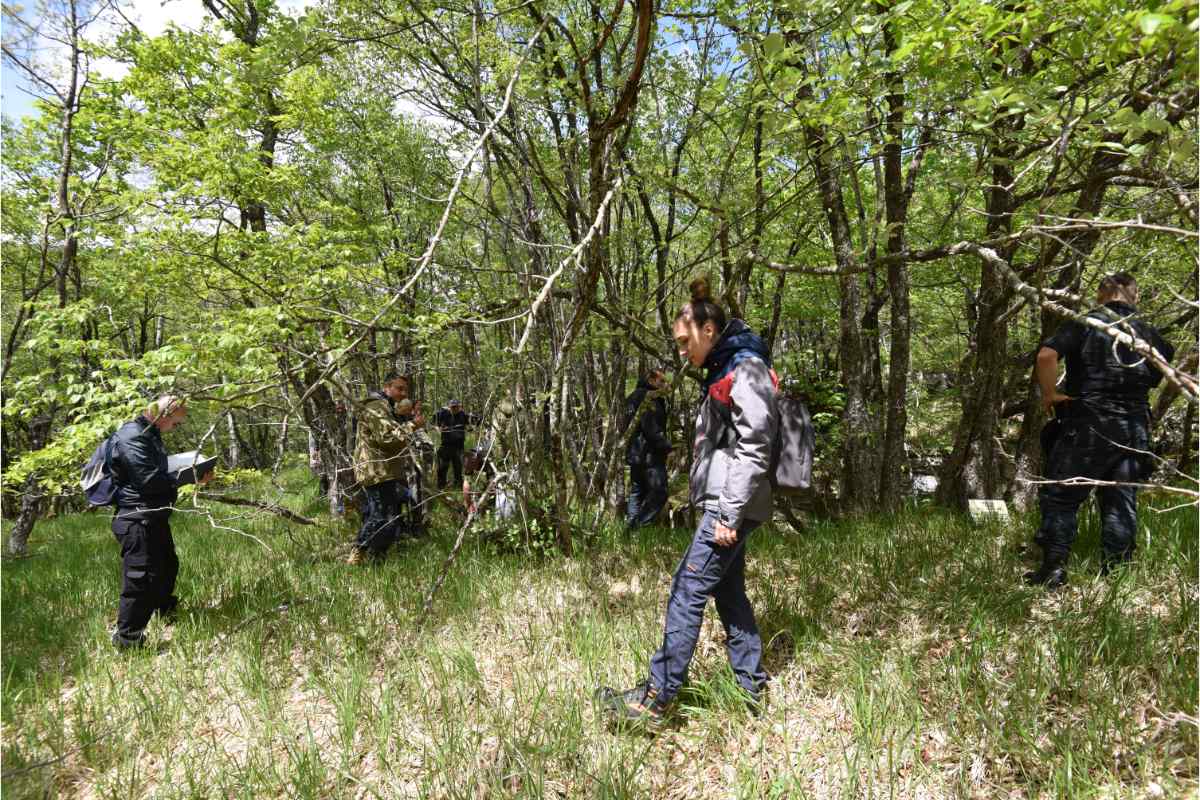
- Conducting on-site landscape assessments to identify anomalies or signs of human remains concealment;
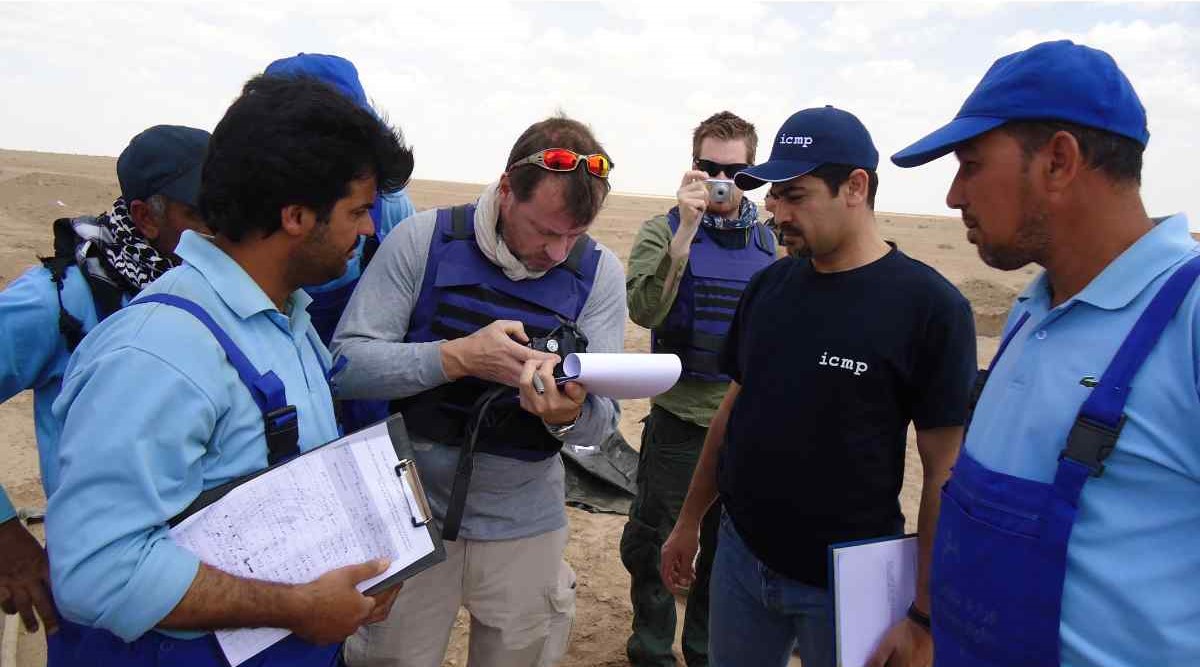
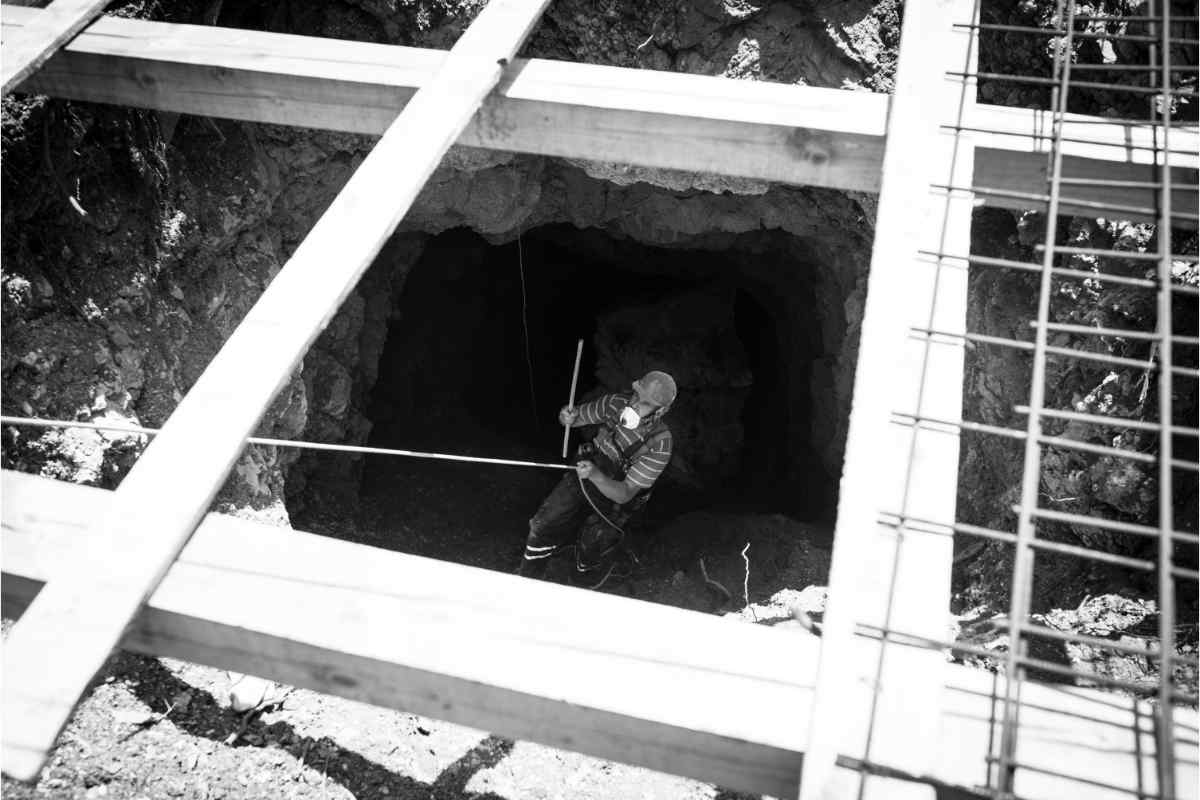
- Undertaking comprehensive site investigations, including testing anomalies to confirm or refute the presence of human remains;
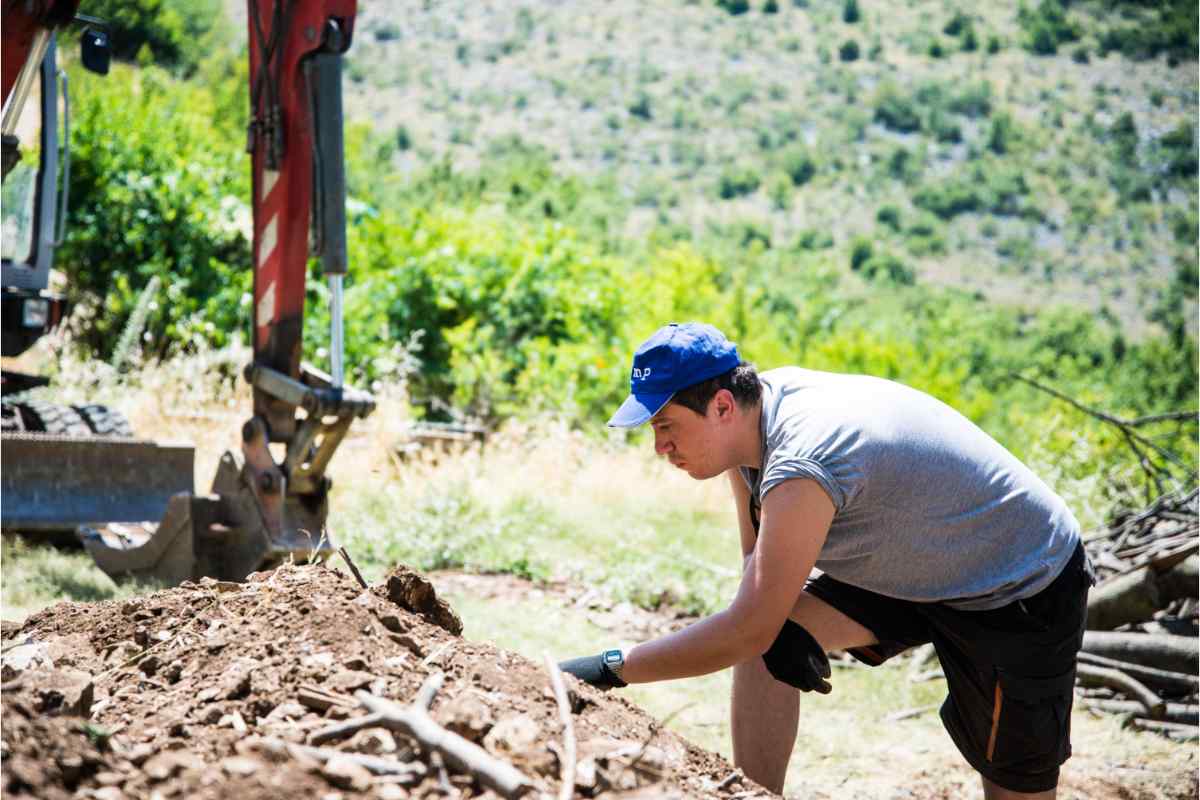
- Undertaking excavation, recovery, and meticulous documentation of human remains and associated evidence;
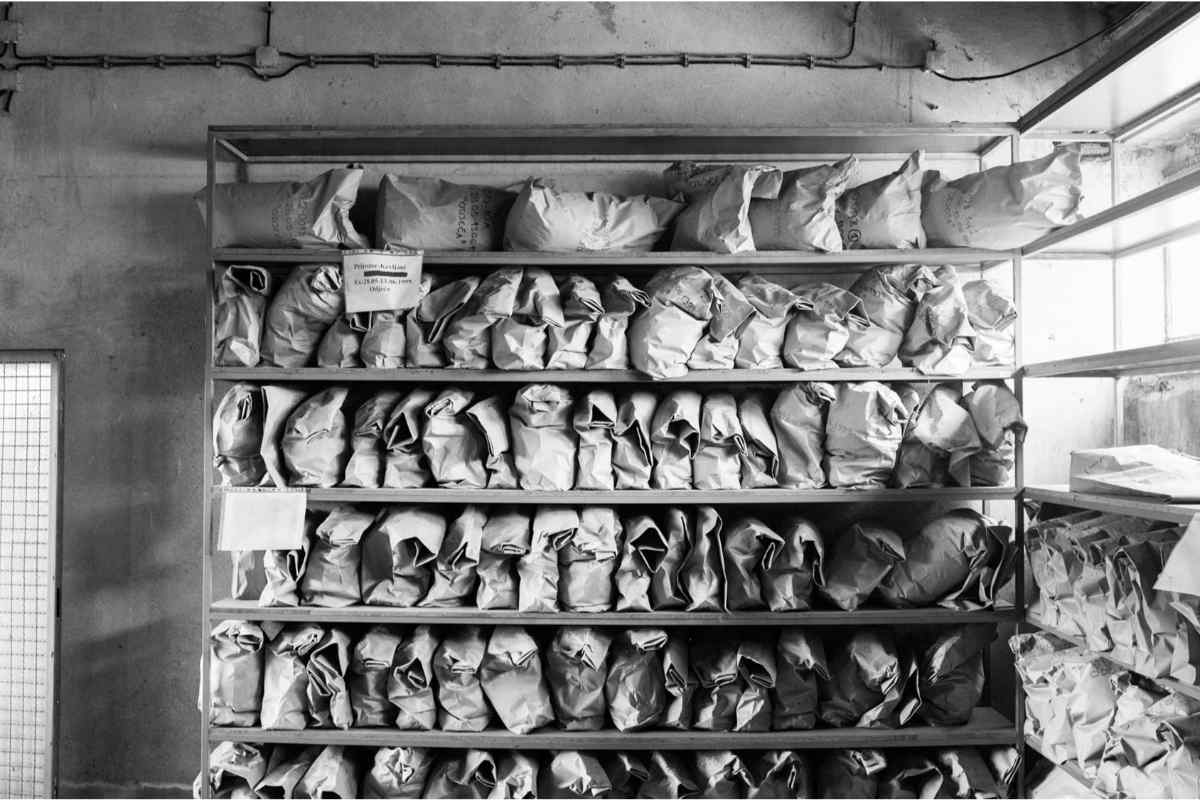
- Processing, examining and analyzing human remains including the collection of samples for DNA testing.
- Conducting mortuary assessments to enhance workflow and processing efficiency;
- Reviewing complex cases by combining DNA matches with anthropological re-examination for comprehensive analysis;
- Integrating analytical results and findings to support ongoing investigations and facilitate the efficient identification and resolution of cases; and
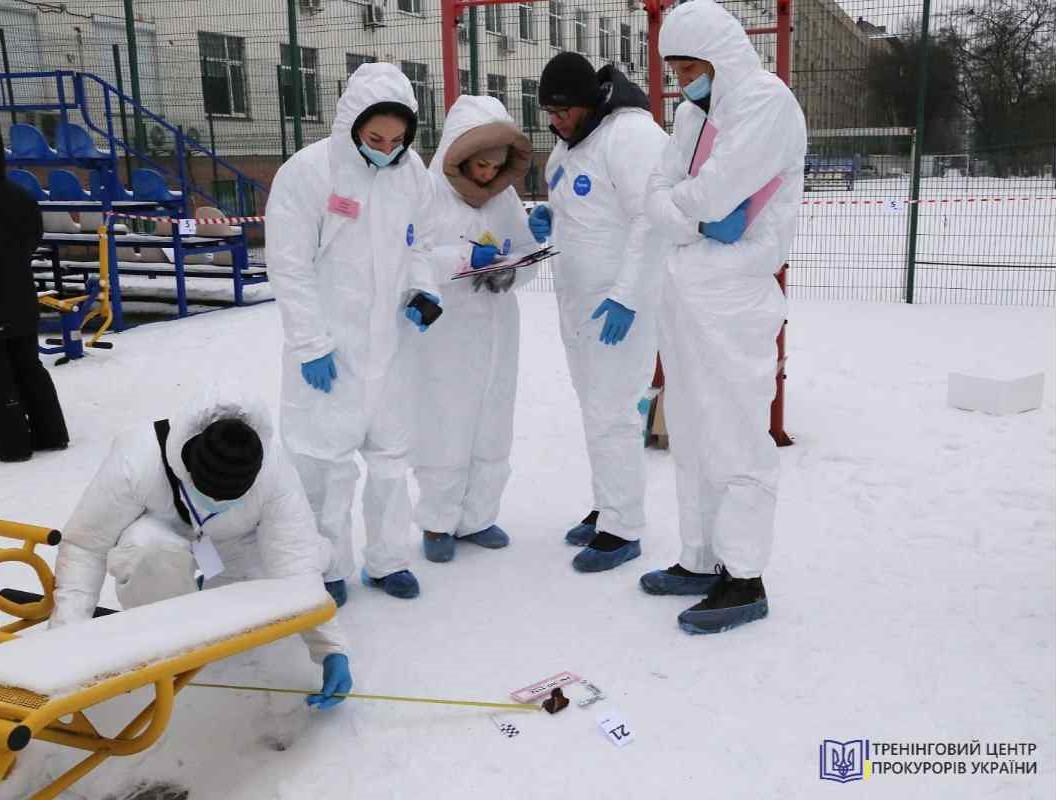
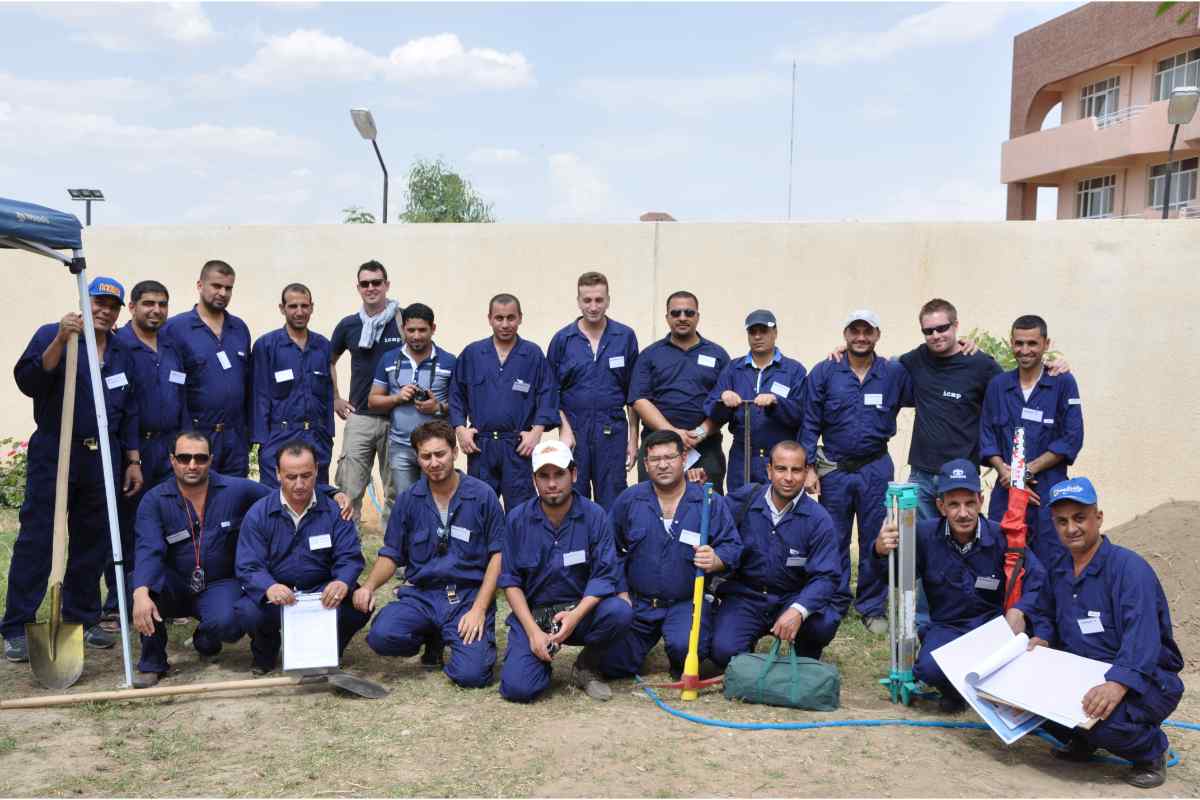
- Developing and delivering practical and classroom-based training programs for various stakeholders, including family associations, medical professionals, law enforcement agencies, and legal practitioners.
List of Publications and Conference Proceedings
Amory, S., Huel, R., Bilić, A., Loreille, O., & Parsons, T. J. 2012.
Automatable full demineralization DNA extraction procedure from degraded skeletal remains.
Forensic Science International: Genetics 6(3), 398-406.
Biesecker, L. G., Bailey-Wilson, J. E., Ballantyne, J., Baum, H., Bieber, F. R., Brenner, C., … & Walsh, A. 2005.
DNA identification of victims from the September 11, 2001 World Trade Center attack: scientific challenges and policy implications.
Science 310, 1122-3.
Davoren, J., Vanek, D., Konjhodzić, R., Crews, J., Huffine, E., & Parsons, T. J. 2007.
Highly effective DNA extraction method for nuclear short tandem repeat testing of skeletal remains from mass graves.
Croatian medical journal, 48(4), 478.
Durić, M., Rakocević, Z., & Tuller, H. (2004).
Factors affecting postmortem tooth loss.
Journal of forensic sciences, 49(6), 1313-1318.
Huffine, E., Crews, J., Kennedy, B., Bomberger, K., & Zinbo, A. (2001).
Mass identification of persons missing from the break-up of the former Yugoslavia: structure, function, and role of the International Commission on Missing Persons.
Croatian Medical Journal 42(3): 271-275.
Jugo, A., & Škulj, S. 2015.
Ghosts of the past: The competing agendas of forensic work in identifying the missing across Bosnia and Herzegovina.
Human Remains and Violence: An Interdisciplinary Journal 1(1): 39-56.
Jusic, B., Dzehverovic, M., Pilav, A., Terzic, S., Zukic, S., Bujak, E., & Cakar, J. 2022.
Sex determination of medieval skeletal remains: evaluation of anthropological, odontological and genetic methods.
Journal of Bioanthropology 1: 1-8.
Huel, R. L., Bašić, L., Madacki-Todorović, K., Smajlović, L., Eminović, I., Berbić, I., … & Parsons, T. J. 2007.
Variant alleles, triallelic patterns, and point mutations observed in nuclear short tandem repeat typing of populations in Bosnia and Serbia.
Croatian Medical Journal 48(4): 494.
Lee, S. B., Clabaugh, K. C., Silva, B., Odigie, K. O., Coble, M. D., Loreille, O., … & Crouse, C. A. 2012.
Assessing a novel room temperature DNA storage medium for forensic biological samples.
Forensic Science International: Genetics 6(1): 31-40.
Miloš, A., Selmanović, A., Smajlović, L., Huel, R. L., Katzmarzyk, C., Rizvić, A., & Parsons, T. J. 2007.
Success rates of nuclear short tandem repeat typing from different skeletal elements.
Croatian Medical Journal 48(4): 486.
Parsons, T. J., Huel, R., Davoren, J., Katzmarzyk, C., Miloš, A., Selmanović, A., … & Rizvić, A. 2007.
Application of novel “mini-amplicon” STR multiplexes to high volume casework on degraded skeletal remains.
Forensic Science International: Genetics 1(2): 175-179.
Prinz, M., Carracedo, A., Mayr, W. R., Morling, N., Parsons, T. J., Sajantila, A., … & Schneider, P. M. 2007.
DNA Commission of the International Society for Forensic Genetics (ISFG): recommendations regarding the role of forensic genetics for disaster victim identification (DVI).
Forensic Science International: Genetics 1(1): 3-12.
Raffone, C., Baeta, M., Lambacher, N., Granizo-Rodriguez, E., Etxeberria, F. et de Pancorbo, M.M. 2021.
Intrinsic and extrinsic factors that may influence DNA preservation in skeletal remains: a review.
Forensic Science International: https://doi.org/10.1016/j.forsciint.2021.110859
Röck, A., Irwin, J., Dür, A., Parsons, T., & Parson, W. 2011.
SAM: String-based sequence search algorithm for mitochondrial DNA database queries.
Forensic Science International: Genetics 5(2): 126-132.
Salas, A., Coble, M., Desmyter, S., Grzybowski, T., Gusmão, L., Hohoff, C., & Parson, W. 2012.
A cautionary note on switching mitochondrial DNA reference sequences in forensic genetics.
Forensic Science International: Genetics 6(6), e182-e184.
Schaefer, M. C., & Black, S. M. 2007.
Epiphyseal union sequencing: aiding in the recognition and sorting of commingled remains.
Journal of Forensic Sciences 52(2): 277-285.
Schaefer, M. C., & Black, S. M. 2005.
Comparison of ages of epiphyseal union in North American and Bosnian skeletal material.
Journal of Forensic Sciences 50(4), JFS2004497.
Skinner, M., & Sterenberg, J. 2005.
Turf wars: Authority and responsibility for the investigation of mass graves.
Forensic Science International 151(2-3): 221-232.
Tuller, H. 2006.
Keeping the pieces together: comparison of mass grave excavation methodology.
Forensic Science International 156(2-3): 192-200.
Vučetić, D., & Pojskić, H. 2015.
Korelacija starosti i izraženosti mišićno-skeletnih markera aktivnosti na nekropoli Ostojićevo.
Arhaika 3: 127-148. University of Belgrade, Faculty of Philosophy.
Rizvić, A., Krtičić, A., Mandžuka, A., Pucić, M., Jašaragić, E., & Blau, S. (2024). Managing large volume data sets in the process of identifying missing persons: Contributions from the International Commission on Missing Persons.
Journal of Forensic Sciences, 69(5), 1690–1698.
Congram, D., Sterenberg, J., & Finegan, O. 2016. Continuing challenges for forensic archaeology and anthropology in Iraq. In: Blau S, Ubelaker DH, (eds.) Handbook of Forensic Anthropology and Archaeology. pp. 605-616. Routledge.
Hanson I, Holliday M, Sullivan K, Bomberger K, Parsons T. 2016. The International Commission on Missing Persons (ICMP) and the application of forensic archaeology and anthropology to identifying the Missing. In: Blau S, Ubelaker DH, (eds.) Handbook of Forensic Anthropology and Archaeology. (2nd edt) pp. 702-713 London: Routledge
Hanson, I. 2015. Forensic archaeology and the International Commission on Missing Persons (ICMP): Setting standards in an integrated process. In: M Groen, N Márquez-Grant and R Janaway (Eds.) Forensic Archaeology: Global Perspectives. pp: 415-425. Wiley-Blackwell.
Hanson, I, Rizvic, A and Parsons, T. 2015. Bosnia and Herzegovina: Forensic archaeology in support of national and international organizations undertaking criminal investigations and identifying the missing 1996-2013. In: M Groen, N Márquez-Grant and R Janaway (Eds). Forensic Archaeology: Global Perspectives. pp: 19-45. Wiley-Blackwell.
Hines, D.Z.C., Vennemeyer, V., Amory, S., Huel, R.M.K, Hanson, I., Katzmarzyk, C., Parsons. T.J. 2014. Prioritized sampling of bone and teeth for DNA analysis in commingled cases. In: B.J. Adams and J.E. Byrd. (eds.) Commingled Human Remains: Methods in Recovery, Analysis and Identification pp: 275-305. Academic Press.
Huel, R., Amory, S., Bilić, A., Vidović, S., Jasaragić, E., & Parsons, T. J. 2011. DNA extraction from aged skeletal samples for STR typing by capillary electrophoresis. In: Alonso, A. (ed.) DNA Electrophoresis Protocols for Forensic Genetics. pp. 185-198. Totowa, NJ: Humana Press.
Schaefer, M. 2008. Patterns of epiphyseal union and their use in the detection and sorting of commingled remains In: Adams BJ and Byrd JE, (Eds). Recovery, Analysis, and Identification of Commingled Human Remains. pp. 221-240. Humana Press.
Sterenberg, J. 2009. Dealing with the remains of conflict: An international response to crimes against humanity, forensic recovery, identification, and repatriation in the former Yugoslavia. In: S. Blau and D. H. Ubelaker (eds.) Handbook of Forensic Anthropology and Archaeology (1st edt.) pp. 416-425. World Archaeological Congress Research Handbooks in Archaeology, Left Coast Press.
Tuller, H., Hofmeister, U., Daley, S. 2008. Spatial analysis of mass grave mapping data to assist in the reassociation of disarticulated and commingled human remains. In: Adams BJ and Byrd JE, (Eds) Recovery, Analysis, and Identification of Commingled Human Remains. pp. 7-29. Humana Press.
Terzic, S., & Zukic, S. 2023. Forensic Anthropology. In J. Cakar & D. Marjanovic (Eds.), Forensic Biology. pp. 228-284. University of Sarajevo.
Yazedjian L, Kešetovic R. 2008. The application of traditional anthropological methods in a DNA-led identification process. In: Adams BJ and Byrd JE, (Eds). Recovery, Analysis, and Identification of Commingled Human Remains. pp. 271-283.Humana Press
Wright, R., Hanson, I., & Sterenberg, J. 2005. The archaeology of mass graves. In: Hunter, J. and Cox, M. (eds.) Forensic Archaeology. pp. 151-172. Routledge.
Aličehajic, E., Jugo, A., Huel, R., Amory, S., Jašaragić, E., Rizvić, A., Parsons, T.J., Hanson, I. & Vennemeyer, M. 2012, February. Perucac Lake, Bosnia: A multidisciplinary operation to locate, recover and examine DNA samples, and identify the missing from the Balkan Conflict. Proceedings of the American Academy of Forensic Sciences (Vol. 18), Atlanta.
Herrasti, L., Lambacher, N. y Etxeberria, F. 2023. Exhumación, análisis e identificación de las personas fallecidas bajo custodia, en 1941, en la prisión de Orduna (Bizkaia). Presentación oral, XV Reunión Científica de la Asociación Española de Antropología y Odontología Forense (AEAOF) dedicada a la Acción Humanitaria Forense de la Guerra Civil y otros conflictos.
Katzmarzyk, C., Martin, K-A., Škulj, Š., Yazedjian, L., Vučetić, D., Rizvić, A., & Parsons, T. J. 2010. The use of population-specific standards in anthropological examination and their incorporation into a multidisciplinary mortuary database. Proceedings of the American Academy of Forensic Sciences (Vol. 21), Seattle.
Kešetović, R., Yazedjian, L., Vučetić, D., Kurtalić, E., Šabanović, Z., Katzmarzyk, C., Rizvić, A., & Parsons, T. J. 2010, February. The Podrinje identification project: a dedicated mortuary facility for the missing from Srebrenica. Proceedings of the American Academy of Forensic Sciences (Vol. 21), Seattle.
Lambacher, N., Alanis-Salazar, D., González-Lara, R.A., Zuñiga-Ramirez, G., Martínez-Rodríguez, E., González-Lopez, Y.L., Ramos-González, B. 2023, September. Analysis of human skeletal remains recovered from an abandoned water exploration well in northeastern México. Oral presentation. 11th European Meeting of Forensic Archaeologists, Madrid.
Lambacher, N., Raffone, C. & Herrasti, L., 2021. “The Bottle Cemetery of the Spanish Civil War”. Oral presentation, 9th European Meeting on Forensic Archaeology, Geneva.
Olovčić, A., & Šoštarić, S. 2020, November. Evidence collection in BiH in the context of war crimes investigations. Worldwide Association of Women Forensic Experts. [Online presentation]
Olovčić, A., Šoštarić, S., Tomašević, B., Talić, B., Terzić, S. 2021, March) Spatial analysis of a densely concentrated and highly commingled surface deposited skeletal assemblage. Chartered Institute for Archaeologists (CifA) Special Interest Group in Forensic Archaeology, First Annual Virtual Poster Conference.
Saržinski, D. 2018, February. Commingling among unidentified remains stored at mortuary facilities in Bosnia and Herzegovina (BiH). Proceedings of the American Academy of Forensic Sciences (Vol. 24), Seattle.
Šoštarić, S. 2022, April. Contribution of visual pair matching to the decision on sampling of commingled human remains for DNA analysis. Worldwide Association of Women Forensic Experts. [Online presentation]
Šoštarić, S., Hulina, M., & Lapić, J. 2015, September. Just a victim of the headlines: communicating archaeology in Croatia through social media. European Association of Archaeologists, Glasgow, UK.
Šoštarić, S., Terzić, S., Tomašević, B., Talić, B., Vučetić, D., & Beširević, M. 2023, September. Spatial distribution of commingled human remains within an illicit deposition site on a steep slope. European Meeting of Forensic Archaeologists, Madrid.
Šoštarić, S., & Škulj, S. 2015, April) Identification of skeletal remains in Bosnia and Herzegovina. International Congress of Anthropological Sciences, Ankara, Turkey.
Vučetić, D. 2008. Identification process at the Podrinje identification project, ICMP. Oktobarski Salon, Spomenik Group Conference, Belgrade, Serbia.
Lambacher, N., Raffone, C., Ramos-González, B., Šoštarić, S., & Etxeberria Gabilondo, F. (2024, February). A case from “El Tubo”: An analysis of commingled and highly fragmented skeletal remains recovered from an abandoned water-exploration well in northeastern Mexico [Conference presentation abstract, Abstract No. A89]. In Proceedings of the 76th Annual Scientific Conference of the American Academy of Forensic Sciences (Denver, CO, United States). American Academy of Forensic Sciences.
Šoštarić, S., Tomašević, B., Terzić, S., Olovčić, A., & Talić, B. (2024, February). De-commingling the past – When an attempt to resolve misidentifications results in setbacks: The Tihovići case. 76th Annual Scientific Conference of the American Academy of Forensic Sciences, Denver, CO, United States. American Academy of Forensic Sciences.
Vučetić, D. 2015. Fizička aktivnost i društveni status: Studija slučaja moriške nekropole u Ostojićevu. Doctoral dissertation, University of Belgrade, Faculty of Philosophy..