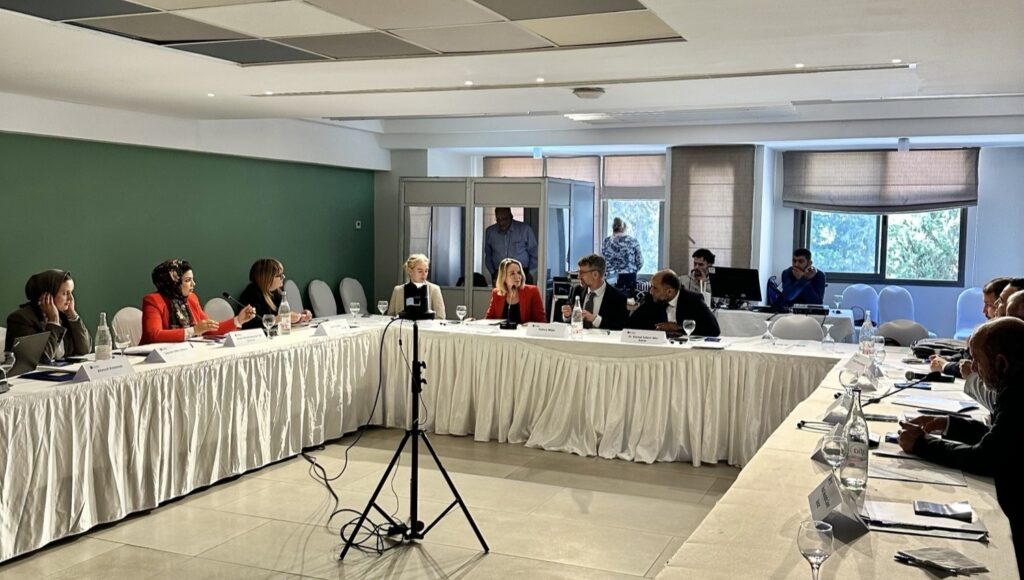
[:en]The Hague, 30 August 2021 – The Policy Coordination Group (PCG) for Syria’s Missing and Disappeared Persons, with the support of the Syria Program of the International Commission on Missing Persons (ICMP), published an Ethical Charter on the standards and codes of conduct to be followed during data collection and documentation of missing persons in a virtual event today.
The Ethical Charter prioritizes the rights of victims and advances a rights-based approach to accounting for missing persons. It stipulates that data must be processed according to clearly stated legal provisions, while maintaining confidentiality, transparency, neutrality and non-discrimination. The principles outlined in the Ethical Charter apply to all forms of data and evidence, from oral testimonies to the handling of human remains exhumed from mass and clandestine graves. It also establishes a set of principles to guide data collection and documentation and support best practices. Some of these principles are already enshrined in international instruments, while others reflect lessons learned from more than a decade of data collection and documentation in the Syrian context.
The Ethical Charter was adopted by the Policy Coordination Group (PCG), a Syrian-led initiative on the missing and disappeared on 13 July 2021. It was published at a virtual event today marking the International Day of the Disappeared.
“Today, as the world observes the International Day of the Disappeared, it is essential to highlight the urgent need for a comprehensive and coordinated response to the issue of missing persons from the conflict in Syria,’ ICMP Director-General Kathryne Bomberger said. ‘This includes building effective, law-based mechanisms predicated on upholding the rights of families to truth, justice and reparations.”
More than 100,000 persons are believed to be missing as a result of the conflict in Syria. In addition, the country has a legacy of missing and disappeared persons cases linked to human rights abuses and other causes prior to the conflict, and Syrians who have fled the fighting have gone missing along migratory routes.
Today’s event continues a policy process summarized in ICMP’s October 2020 report on accounting for the missing from the Syria conflict. As part of this broad effort, ICMP is facilitating the work of the Policy Coordination Group for Syria’s Missing and Disappeared Persons, which is developing recommendations for a policy framework for a future missing person process in Syria.
ICMP’s assistance to the Syria Policy Coordination Group is funded by the European Union through the support the EU provides to ICMP’s Syria program.
About PCG
The PCG is a Syrian-led policy process on the missing and disappeared in and from Syria facilitated by the International Commission on Missing Persons (ICMP). It is composed of 27 Syrian family associations, civil society organizations, and legal and human rights defenders as well as international advisors.
About ICMP
ICMP is a treaty-based intergovernmental organization with Headquarters in The Hague, the Netherlands. Its mandate is to secure the cooperation of governments and others in locating missing persons from conflict, human rights abuses, disasters, organized crime, irregular migration and other causes and to assist them in doing so. It is the only international organization tasked exclusively to work on the issue of missing persons.
[:ar]
لاهاي، 30 أغسطس/اب 2021 – نشر فريق تنسيق السياسات (PCG)للمفقودين والمختفين في سوريا، بدعم من برنامج سوريا التابع للجنة الدولية لشؤون المفقودين (ICMP) ميثاقًا أخلاقيًا حول المعايير وقواعد السلوك الواجب اتباعها أثناء جمع البيانات وتوثيق حالات الأشخاص المفقودين، وذلك في لقاء افتراضي اليوم.
يعطي الميثاق الأخلاقي الأولوية لحقوق الضحايا ويعزز نهجًا قائمًا على الحقوق لتحديد مصير الأشخاص المفقودين، وينصّ على وجوب معالجة البيانات وفقًا للأحكام القانونية المنصوص عليها بوضوح، مع الحفاظ على السرية والشفافية والحياد وعدم التمييز. تنطبق المبادئ الموضحة في الميثاق الأخلاقي على جميع أشكال البيانات والأدلة، من الشهادات الشفوية إلى التعامل مع الرفات البشرية المستخرجة من المقابر الجماعية والسرية. فيضع مجموعة من المبادئ لتوجيه عملية جمع البيانات وتوثيقها ودعم أفضل الممارسات. وردت بعض هذه المبادئ بالفعل في المواثيق الدولية، بينما يعكس البعض الآخر الدروس المستفادة من أكثر من عقد من جمع البيانات والتوثيق في السياق السوري.
تمّ اعتماد الميثاق الأخلاقي من قبل فريق تنسيق السياسات وهو مبادرة بقيادة سورية بشأن المفقودين والمختفين، وذلك في 13 يوليو 2021. وقد تمّ نشر الميثاق في لقاء افتراضي اليوم بمناسبة اليوم الدولي لضحايا الاختفاء القسري.
قالت المديرة العامة للجنة الدولية لشؤون المفقودين كاثرين بومبرغر: “اليوم، بينما يحيي العالم اليوم الدولي لضحايا الاختفاء القسري، من الضروري تسليط الضوء على الحاجة الملحة لاستجابة شاملة ومنسقة لقضية الأشخاص المفقودين بسبب الصراع الدائر في سوريا. وهذا يشمل بناء آليات فعالة قائمة على القانون وتصون حقوق العائلات في الحقيقة والعدالة والتعويضات.”
تشير التقديرات في تقرير للأمم المتحدة في عام 2021 إلى أن أكثر من 100,000 شخص أصبح في عداد المفقودين نتيجة للصراع الحالي في سوريا. بالإضافة إلى ذلك، يتواجد في البلاد إرث من الحالات المتعلقة بالأشخاص المفقودين والمختفين المرتبطة بانتهاكات حقوق الإنسان وغيرها من الأسباب التي كانت تحدث قبل النزاع، بالإضافة الى السوريين الفارين من القتال الذين فُقدوا عبر طرق الهجرة.
حدث اليوم هو استمرار للعملية السياسة التي تم تلخيصها في تقرير اللجنة الدولية لشؤون المفقودين لشهر أكتوبر 2020 حول تحديد مصير المفقودين في الصراع السوري. كجزء من هذا الجهد الواسع، تقوم اللجنة الدولية لشؤون المفقودين بتسهيل عمل فريق تنسيق السياسات للمفقودين والمختفين في سوريا، والذي يعمل على وضع توصيات لإطار العمل السياسي لعملية تحديد مصير الأشخاص المفقودين في سوريا في المستقبل.
يتم تمويل مساعدة اللجنة الدولية لشؤون المفقودين لفريق تنسيق السياسات السورية من قبل الاتحاد الأوروبي من خلال الدعم الذي يقدمه الاتحاد الأوروبي لبرنامج اللجنة الدولية لشؤون المفقودين في.
حول فريق تنسيق السياسات
فريق تنسيق السياسات هو ھو مبادرة، بقیادة سوریة، تمّ تشكليله بمساعدة اللجنة الدولیة لشؤون المفقودین التي تعمل كأمانة لهذا الفریق والجھة المنظِّمة والمیسِّرة لأعماله.يتكون من 27 عضو من بينهم منتمين إلى عائلات المفقودین ومعتقلين سابقين، وخبراء قانونیین، ومدافعین عن حقوق الإنسان، وممثلي عن المجتمع المدني السوري، بالإضافة إلى ثلاث خبراء دولیین لتقديم الدعم والمشورة للفريق، بالإضافة الى مستشارين دوليين.
حول اللجنة الدولية لشؤون المفقودين
اللجنة الدولية لشؤون المفقودين هي منظمة حكومية دولية قائمة على المعاهدات ومقرها لاهاي بهولندا وتتمثل مهمتها في تأمين تعاون الحكومات وغيرها في تحديد اماكن الأشخاص المفقودين بسبب النزاعات وانتهاكات حقوق الإنسان والكوارث والجريمة المنظمة والهجرة غير النظامية وغيرها من الأسباب ومساعدتهم في القيام بذلك وهي مكلفة حصراً بالعمل على قضية الأشخاص المفقودين.
[:]