



Civil Society Initiatives

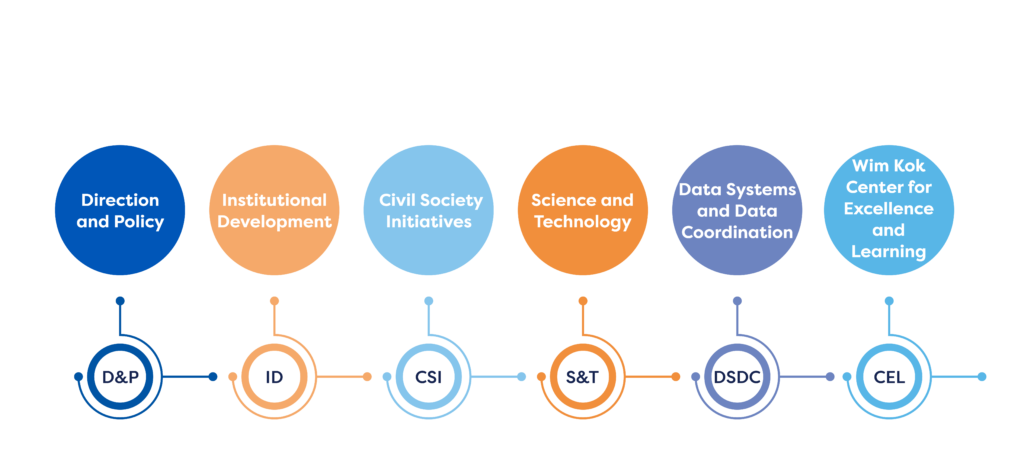
ICMP aims to secure justice, truth, reparations, and well-being for survivors and families of the missing. Building on outreach and information sessions in 2023, ICMP published guides for families in Iraq and Ukraine, organized international exchange visits, and hosted a Profiles of the Missing conference on Ukraine. Over the course of the year, ICMP issued 11 Small Grants in the Western Balkans, supporting family associations and CSOs in capacity building, commemoration, networking, advocacy, and more.

Archaeology and Anthropology Division (AAD)

In 2023 AAD assisted the Prosecutor General of Nuevo Leon with anthropological analysis of highly commingled human remains, which resulted in 17 identifications. In Ukraine, AAD conducted extensive work to map the forensic capacity of mortuaries and DNA centers. Meanwhile, AAD maintained its field work and training with stakeholders in the Western Balkans and Iraq. A documentary film, The DNA of Dignity, by Swiss filmmaker Jan Baumgartner, described the work of ICMP AAD personnel in the Western Balkans and was premiered at the Locarno Film Festival in August.

DNA Laboratories

ICMP’s DNA laboratories doubled in size in 2023, enhancing expertise, instrumentation, and accreditation. The labs processed samples from 12 countries, profiling more than 800 skeletal remains and 1,600 reference samples, resulting in 65 new identifications and 115 re-associations. The 20-member team also supported global DNA laboratories, with nine external deployments. In 2023, working with scientists from the Institute of Biotechnology-Vietnam Academy of Science and Technology (IBT-VAST), ICMP developed an innovative Next Generation Sequencing technique for identifying highly degraded DNA. Work also began on upgrading the laboratories at ICMP’s Headquarters in The Hague to handle more samples, particularly from Ukraine, with expanded ISO 17025 accreditation.

Data Systems and Data Coordination

The DSDC Program launched the Online Inquiry Center (OIC) in Mexico, a Regional Database in the Western Balkans, and the AM/PM screening app in the Integrated Data Management System (iDMS), and adapted the iDMS for Iraq and Bosnia and Herzegovina, as well as implementing the MyFace tool in the OIC, processing OSINT lists from Ukraine, and developing a Syrian Mapping Tool. at the same time, new geo-referencing and data visualization techniques improved analytics. The program also offered training and ensured active family participation, focusing on Iraq, Mexico, Syria, and Ukraine.

Wim Kok Center for Excellence and Learning (CEL)

The CEL supported ICMP programs by developing institutional and technical capacities globally, delivering 23 training courses to more than 320 CSO and government representatives and creating nearly 20 new training packages. The CEL delivered training at Ukraine’s Prosecutor’s Training Center, and designed virtual courses for reporting mass grave sites in Syria, on forensic processes in Ukraine, and on missing persons investigations in South Sudan. The CEL also developed innovative online courses in DNA-based identification.

Albania

The CEL supported ICMP programs by developing institutional and technical capacities globally, delivering 23 training courses to more than 320 CSO and government representatives and creating nearly 20 new training packages. The CEL delivered training at Ukraine’s Prosecutor’s Training Center, and designed virtual courses for reporting mass grave sites in Syria, on forensic processes in Ukraine, and on missing persons investigations in South Sudan. The CEL also developed innovative online courses in DNA-based identification.

Armenia

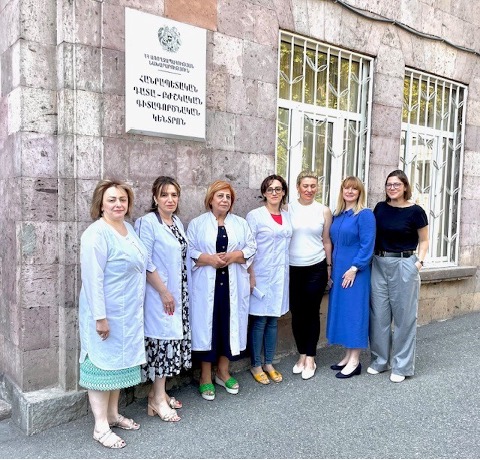
In June-July 2023, ICMP assessed Armenia’s framework for accounting for the missingevaluating legislative, scientific, and technical capacities, and civil society engagement. The resulting report, supported by the Netherlands and to be published in 2024, recommends centralized data processing, enhanced DNA capabilities, and an independent DNA comparison mechanism with Azerbaijan. ICMP also supported the Armenian Scientific Practical Centre of Forensic Medicine, Department of Molecular Genetics Examination (CFM) by profiling 200 challenging post-mortem samples and supporting the CFM’s efforts to secure ISO 17025 accreditation.

The Armenian Scientific Practical Center of Forensic
Medicine, Department of Molecular Genetics
Examination (CFM) - part of the Republic of Armenia’s
Ministry of Health – Yerevan 30 June 2023
Azerbaijan

In June 2023, ICMP assessed Azerbaijan’s framework for accounting for the missing, interviewing government, judicial, civil society, and international representatives, as well as forensic experts. ICMP visited forensic sites in Füzuli, where human remains were recovered. The resulting report, supported by the Netherlands and to be published in 2024, recommends refining procedures for handling human remains, documenting evidence, enhancing DNA testing, and establishing an independent DNA comparison mechanism with Armenia

Brazil

Since 2017, ICMP has partnered with the UN Development Program to assist Brazilian authorities in investigating missing persons cases. Through the project “Strengthening Mechanisms of Transitional Justice in Brazil,” ICMP provides forensic anthropological training and DNA profiling for human remains and reference samples until 2025. ICMP has identified human remains, including those from the clandestine grave at Dom Bosco Cemetery in Perus, São Paulo. More than 1,000 post-mortem samples from Brazil have been processed by ICMP. Brazil holds observer status at ICMP’s Conference of States Parties.

Canada

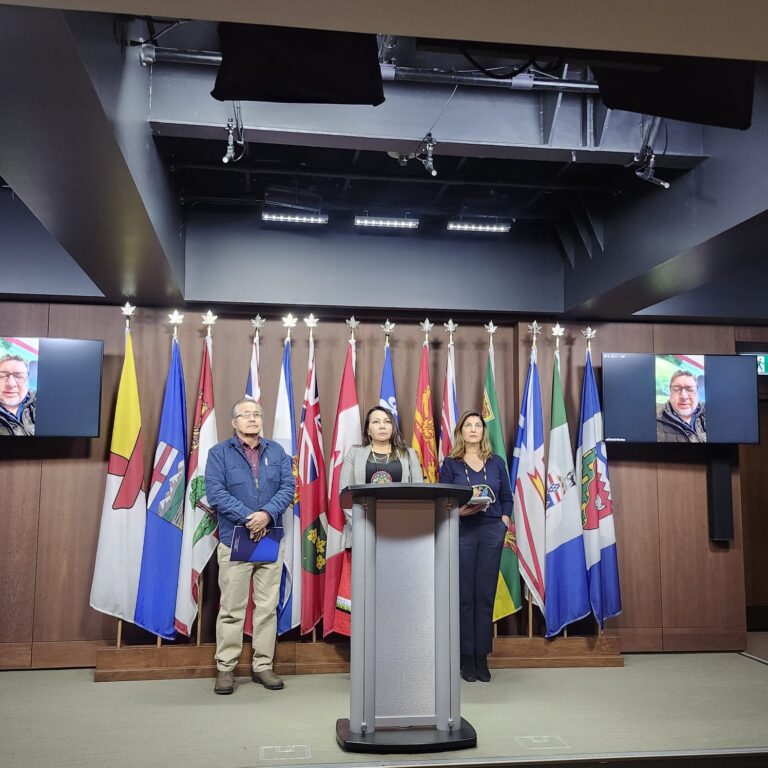
In January 2023, ICMP signed a Technical Arrangement with Crown Indigenous Relations and Northern Affairs Canada (CIRNAC) after more than a year of discussions. Throughout the year, ICMP engaged with Indigenous communities in Canada to address unmarked burials at former Indian Residential Schools and potential repatriation of children’s remains, respecting unique cultural and traditional needs. This included formal presentations and participation in key gatherings, reaching approximately 1,500 stakeholders. ICMP also received requests from Indigenous communities for direct technical support in exploring burial sites and examining remains. Discussions with CIRNAC are ongoing to amend the Technical Arrangement to enhance collaboration directly with these communities.

Press conference on the issue of missing children from the Indian Residential School system, in Ottawa, Canada - March 2024

Chile

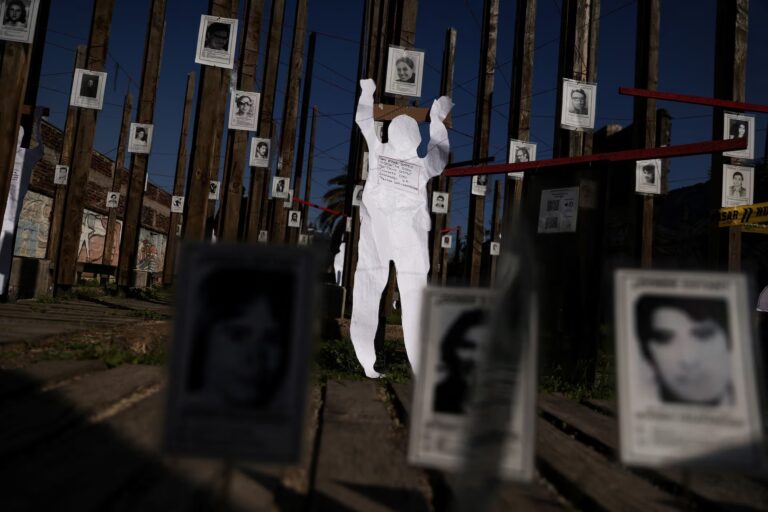
Since 2009, ICMP’s DNA Laboratories have collaborated closely with Chile’s Forensic Medical Service (Servicio Médico Legal – SML), profiling more than 2,500 reference samples from more than 1,000 missing persons and examining more than 430 post-mortem exhibits. ICMP has provided technical guidance on DNA matching, resulting in 93 DNA reports for Chilean submissions. The agreement with SML was renewed in June 2023. In December 2023, Chilean Foreign Minister Alberto van Klaveren visited ICMP’s Headquarters in The Hague, where he toured the DNA laboratories and was briefed on ICMP’s work in Chile and globally.

Photo credit: Ivan Alvarado/Reuters

Iraq

Throughout 2023, ICMP advanced its five-year support plan based on the 12 conclusions from a September 2021 policy conference with senior officials from Iraq. In October, ICMP convened a policy event in Baghdad, gathering representatives from 13 government institutions to prioritize establishing a central mechanism for missing persons within the Martyrs’ Foundation or Ministry of Justice. Recommendations included introducing legislation with a dedicated budget by 2025.


In December, ICMP hosted a parliamentary workshop focusing on sustainable budget development for missing persons investigations. Recommendations encompassed creating a national record and investment fund, streamlining fund transfers, increasing budget allocations, and integrating missing persons into the national human rights plan.


ICMP delivered financial and technical assistance for excavations, as well as DNA reference collection campaigns related to crimes committed by Da’esh and the former regime. Notably, ICMP facilitated Iraq’s collection of genetic samples from Yazidi families in Germany, a milestone for future campaigns. ICMP also supported iDMS rollout and civil society through awareness events, dialogue sessions, and capacity building workshops for CSOs.

Yazidi families discussed the role of government and civil society in accounting for the missing in Iraq, at the event in the Hague in May 2023.
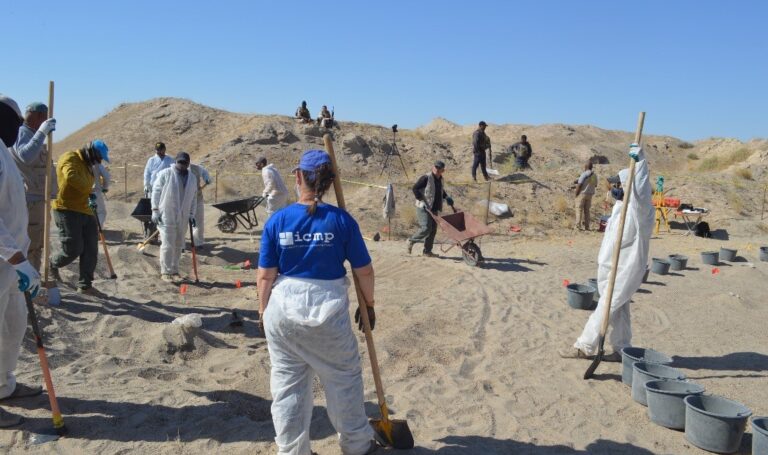
ICMP deployed with the MGD to excavate the Maqalah massgrave in the Karma district of Anbar, September 2023.
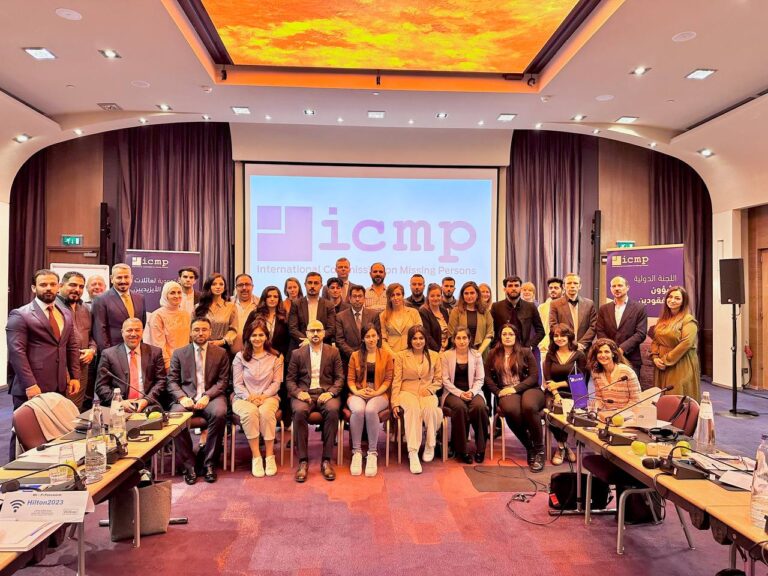
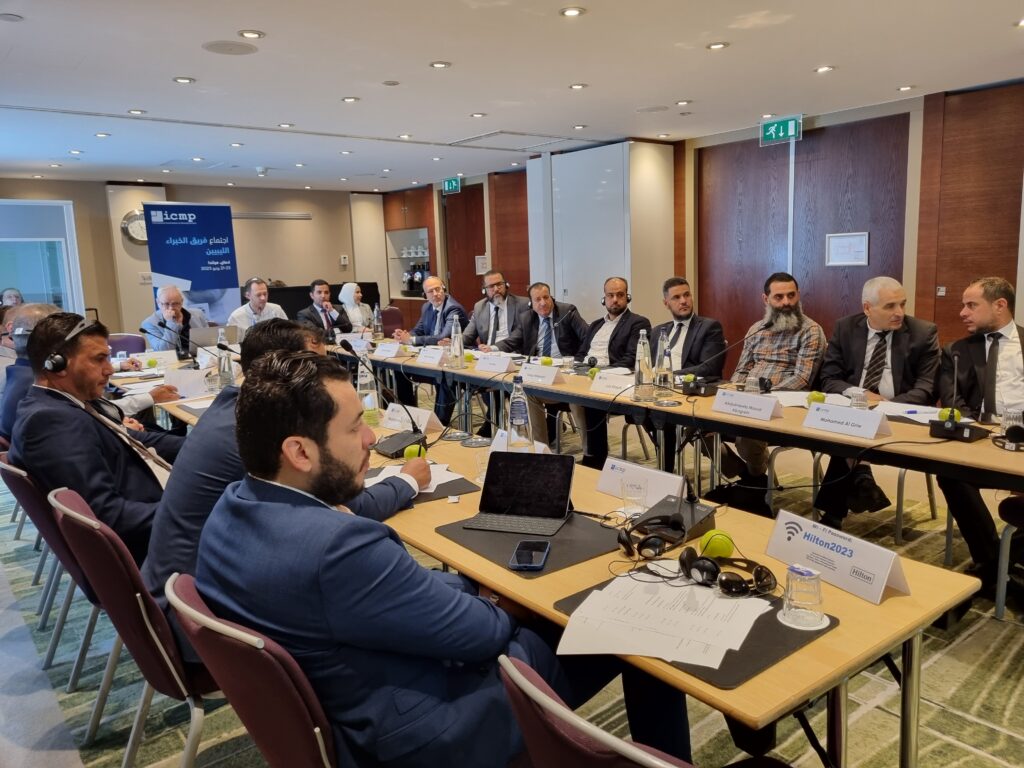
Libyan Delegation learning about the advanced functions of the iDMS during ameeting in the Hague, June 2023.

Libya

In March, ICMP hosted a Libyan Expert Group meeting in Bosnia and Herzegovina to learn about missing persons processes, engaging officials from Libyan ministries and introducing them to efforts already being undertaken by family associations.


In June, ICMP signed a Technical Cooperation Agreement with Libya’s Center for Judicial Expertise and Research and Permanent Technical Committee on Mass Graves and Missing Migrants, focusing on improving investigation standards, establishing a centralized data system, enhancing forensic capabilities, and engaging families in the process.


In July, ICMP assessed conditions for missing migrants on the Libyan-Tunisian border, providing technical support including equipment and DNA kits.

Responding to flooding in Derna in September, ICMP supported humanitarian efforts and planned further capacity building in forensic sciences for early 2024.

Mexico

According to the National Registry of Missing Persons, which is administered by the National Search Commission (Comisión Nacional de Búsqueda, CNB) and incorporates data from the Federal and State attorney general’s offices and local search commissions, by the end of 2023 more than 111,000 active cases of missing persons had been reported since 1952. In view of underreporting from families, and the unreliability of state-level databases, the actual number is likely to be considerably higher.

During 2023, ICMP initiated a collaboration with the Regional Human Identification Center (CRIH) in the state of Coahuila to understand whether its specialist DNA testing techniques could assist in the profiling of challenging (heavily stained, charred and degraded) human skeletal remains from various contexts. Following an initial round of testing on a small-subset of bones in various conditions, promising results – with profiles suitable for meaningful comparison – were obtained.

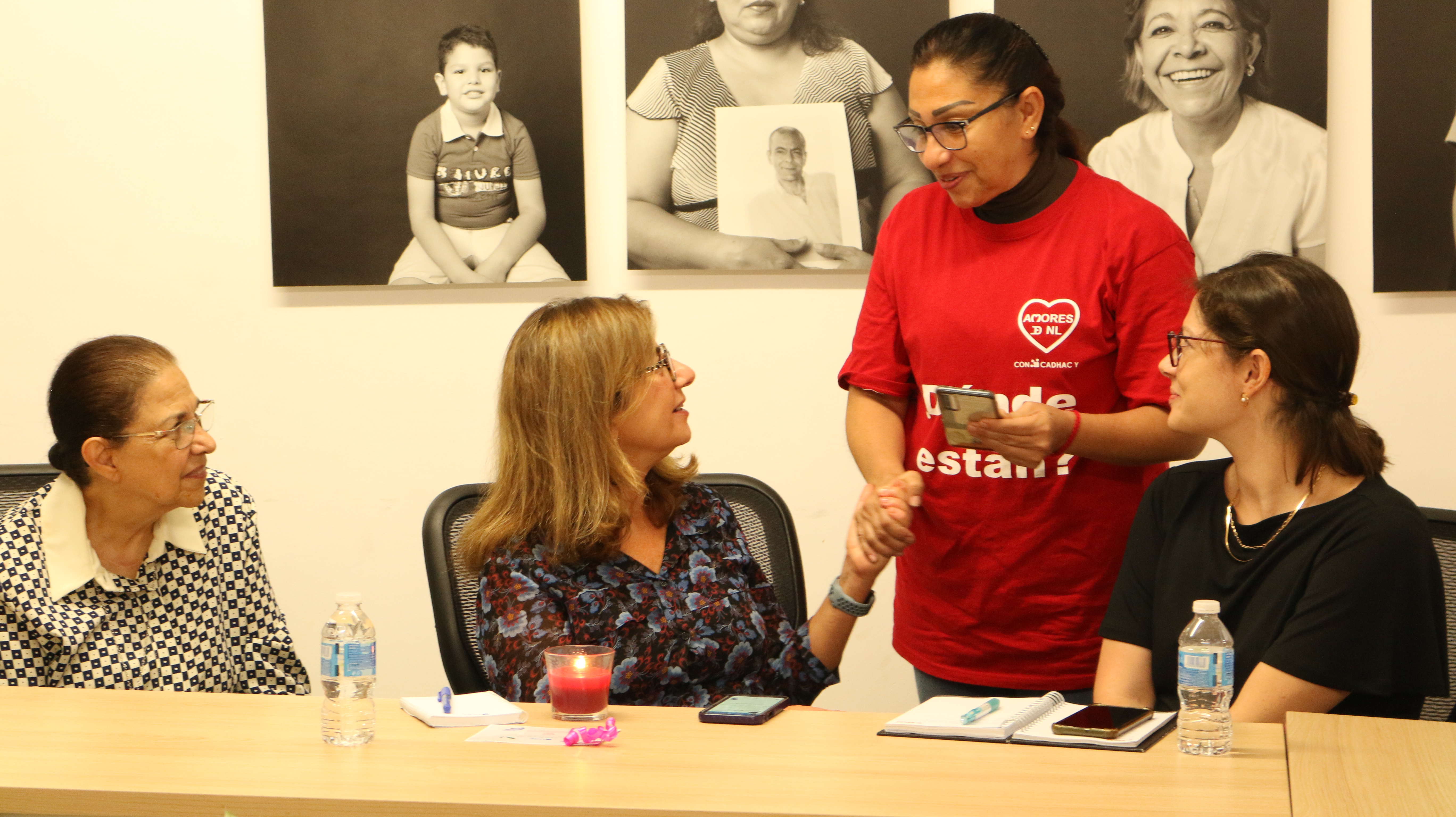
Meeting with CADHAC organization and the committee of families of the missing AMORES in Nuevo Leon, Mexico - November, 2022
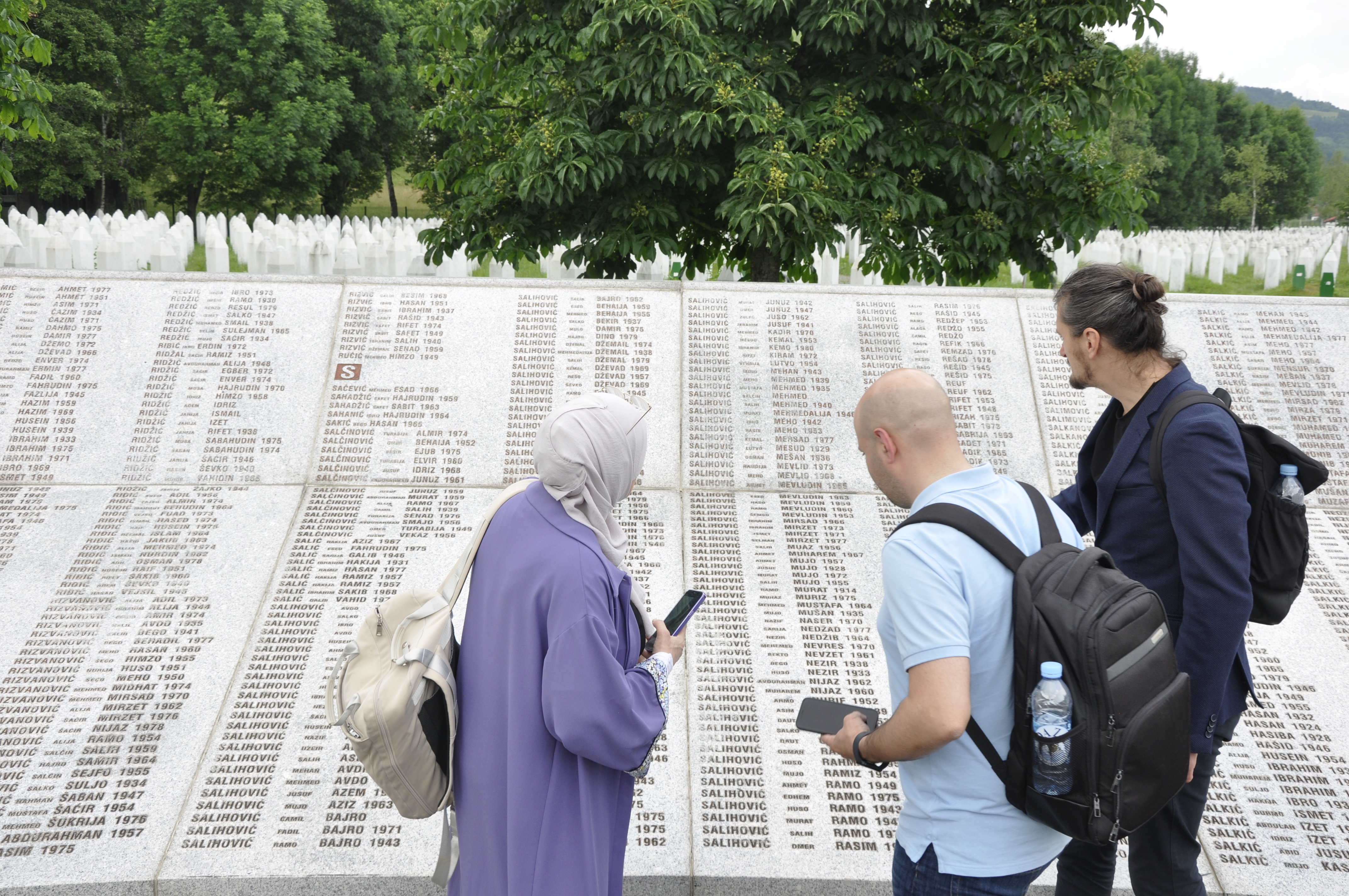
A group of family representatives and civil society activists from Syria took part in a week-long visit to Bosnia and Herzegovina sponsored by ICMP in June 2023. The visit brough together representatives from different organizations, who had the opportunity to meet with representatives of the Institute for Missing Persons in Bosnia and Herzegovina, the Ministry of Human Rights and Refugees, and the Office of the Prosecutor for War Crimes.

Syria

In 2023, ICMP in Syria engaged 4,245 family members of 1,360 missing persons and verified 1,127 cases. Information on 947 missing persons was updated through partnerships with organizations in Turkey, and 179 DNA samples were collected from relatives in Iraq and Europe. ICMP facilitated 10 seminars in Northeast Syria, reaching 190 relatives, and hosted three webinars attended by 83 civil society actors. Meanwhile the Policy Coordination Group, facilitated by ICMP, continued preparing the ground for a Syrian missing persons process. In-person meetings in Bosnia and Istanbul focused on policy recommendations and collaboration.

Ukraine

In 2023, ICMP launched a five-year strategy to help Ukraine enhance technical capacities in mortuary examination, DNA testing, and family reunification, increase civil society participation, improve intergovernmental cooperation, raise public awareness, and strengthen institutional capabilities.

Key achievements include signing protocols with Ukrainian institutions for technical support and data exchange. Plans for establishing an identification center in 2024 are underway.


In 2023, ICMP organized 16 information sessions across five Ukrainian cities, engaging more than 500 participants to provide reference samples. The Civil Society Initiatives Program fostered a joint platform of 15+ family associations, facilitating outreach in Germany and Poland with 220 reference samples collected. DNA profiling led to the identification of 15 missing persons, prompting new investigative actions in 75 cases.


Additionally, ICMP donated EUR 225,000 in equipment, while outreach efforts included producing videos, leaflets, and a Guide for Families of the Missing, along with social media campaigns and partnerships to support family associations and civil society.

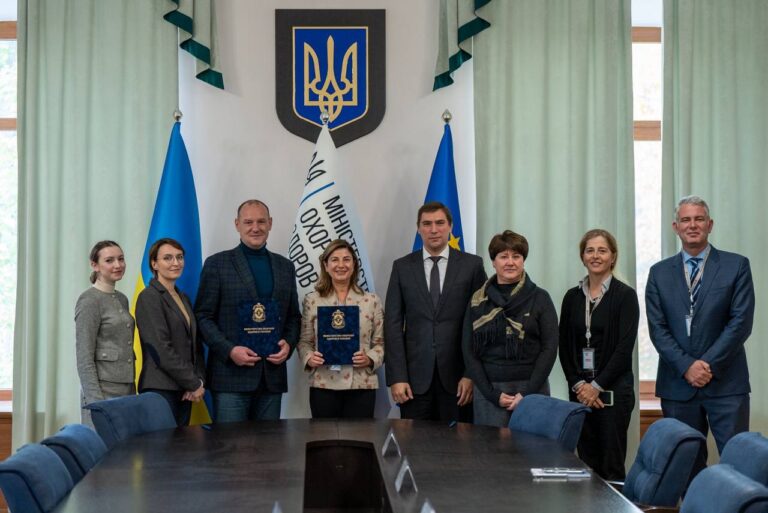
Singing the memorandum of understanding between ICMP and the Ministry of Health of Ukraine
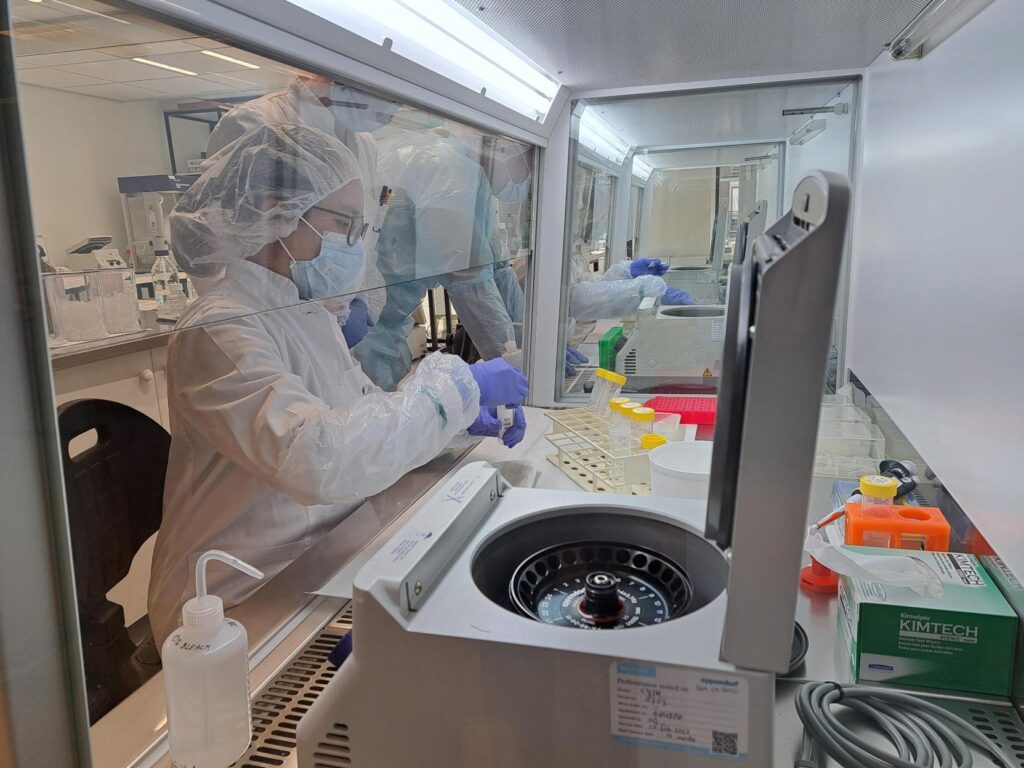
Training of scientists from Vietnam's Center for DNA Identification in ICMP's Specialist DNA extraction techniques

Vietnam

In 2023, ICMP partnered with the Government of Vietnam, processing 100 post-mortem samples in The Hague to optimize joint DNA workflows, successfully extracting nuclear DNA from challenging samples. Workshops were organized in The Hague and Hanoi, emphasizing collaboration with Vietnamese institutions. ICMP’s efforts were highlighted during US President Joe Biden’s visit to Vietnam in September 2023. At year-end, ICMP finalized documentation for an Official Development Assistance project in Vietnam, laying the groundwork for future cooperation.

The Western Balkans

To date, 75 percent of the 40,000 missing persons from the conflicts of the 1990s have been accounted for, with more than 18,000 identified through ICMP’s DNA match reports. ICMP facilitated regional cooperation in 2023 through the Missing Persons Group (MPG), hosting plenary sessions in Zagreb and Tirana. At the Tirana meeting, activities were presented during the Berlin Process Summit, including the second Forum for Families, facilitating direct exchanges between families and state institutions. Throughout the year, ICMP supported 52 excavations, providing 168 DNA match reports that identified 55 missing persons and facilitated 102 re-associations of skeletal remains across Bosnia and Herzegovina, Croatia, Kosovo, and Serbia. Renovations were completed for the BiH Agency for Forensic Expertise and Examination’s DNA laboratories, and Kosovo’s Forensic Agency received iDMS training and equipment. ICMP also supported family associations through Small Grants, enhancing their capacities and fostering regional coordination.
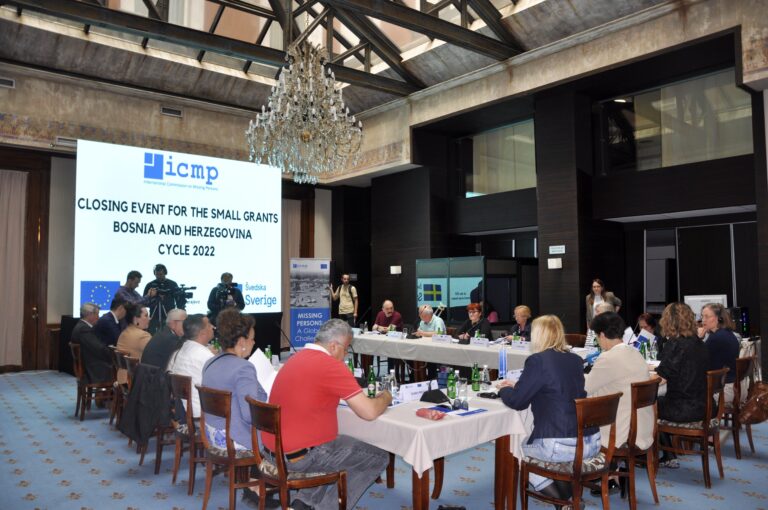
Small Grants Closing: ICMP supported families of missing persons strengthening their associations through Small Grants cycle.

Assistance to Justice

Disaster Victim Identification (DVI)

Missing Migrants and Refugees Program

In 2023, ICMP supported international and domestic criminal justice processes, aiding States in fulfilling their obligations to investigate the fate of missing persons and the circumstances in which they went missing. ICMP responded to requests for evidence in appeals proceedings at the International Residual Mechanism for Criminal Tribunals.

ICMP aims to enhance global capacity for large-scale DVI responses, improving disaster response mechanisms through law enforcement training. The Wim Kok Center for Excellence and Learning provides DVI training worldwide, ensuring effective and accessible DVI services in disaster-affected countries.

Following a 2022 pilot campaign, ICMP continued efforts in 2023 to encourage refugees from Syria, Iraq, and Ukraine to report missing persons and provide genetic samples through the Online Inquiry Center (OIC). These outreach programs support efforts to locate missing persons and assist migrants in host countries.

Media Coverage

ICMP’s work and mandate received extensive coverage in 2023, with stories and interviews appearing in a wide array of media outlets. At the same time, ICMP expanded its presence on Facebook, Twitter, LinkedIn, and YouTube, accruing a steadily increasing number of followers, visitors, and interactions.

Articles on ICMP’s work that appeared during the year included a piece published by the Associated Press on the use of DNA to identify war victims in Ukraine and an op-ed in the EUobserver examining the legal obligations of States to recover the remains of drowned migrants.

Justice Info highlighted the paramount need to account for the disappeared in Ukraine, while El Periodico examined lessons from the Balkans that could potentially be applied when investigating war crimes in Ukraine. ICMP personnel were interviewed foVoice of America, the Kyiv Independent, the Kyiv Post, the Anadolu Agency and many other outlets. In a podcast with Just Access, Director-General Kathryne Bomberger spoke about the growing global challenge of missing persons and the strategies that have been developed to meet this challenge in effective ways. Several documentaries on ICMP’s work were broadcast in 2023, including the DNA of Dignity and The Body in the Woods.

Funding

Over the course of the year, ICMP filed proposals for more than USD 21 million in new grant funding and secured USD 19.9 million in multi-year grants for its geographic programs. A total of 42 performance reports were submitted to donors to highlight achievements, maintain cashflow, and alert donors to implementation risks.

Income for 2023 was 15.6 million USD, while expenditure was 14.7 million USD.

Million Secured

in multi-year grants for its geographic programs.

Reports

were submitted to donors to highlight achievements, maintain cashflow, and alert donors to implementation risks.

Million Income

Income for 2023 was 15.6 million USD, while expenditure was 14.7 million USD.

About ICMP

ICMP is a treaty-based intergovernmental organization with Headquarters in The Hague, the Netherlands. Its mandate is to secure the cooperation of governments and others in locating missing persons from conflict, human rights abuses, disasters, organized crime, migration and other causes and to assist them in doing so.

Scroll to Top