British Ambassador to Bosnia visits ICMP Tuzla

Share

[:en]

British Ambassador to Bosnia visits ICMP Tuzla

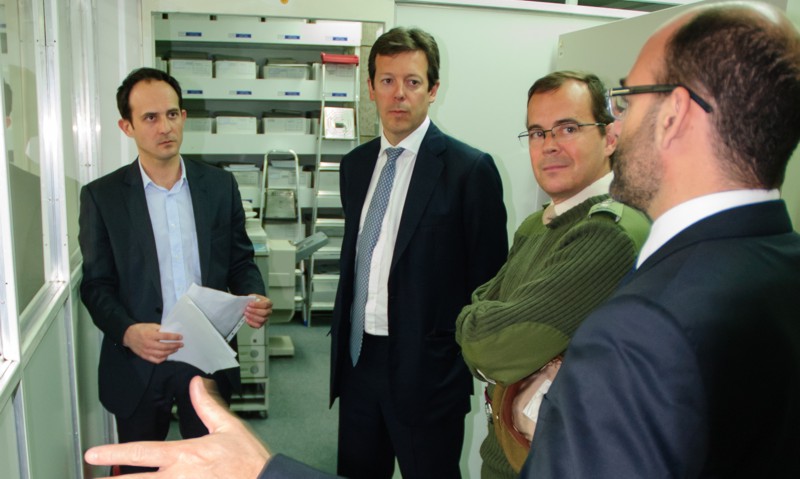
16 April 2012: The British Ambassador to Bosnia and Herzegovina, H.E. Nigel Casey, and the UK Embassy’s Defence Attaché Lt Col Rob Tomlinson visited the Identification Coordination Division (ICD) of the International Commission on Missing Persons (ICMP) and the Podrinje Identification Project (PIP) in Tuzla today.

Accompanied by ICMP’s Western Balkans Programs Director, Adam Boys, Ambassador Casey and Lt Col Tomlinson first visited PIP, which was specifically created to assist in the identification of persons missing from the 1995 fall of Srebrenica, and where the mortal remains of these victims are examined and stored until final identification. They saw first-hand how ICMP forensic experts conduct ante-mortem and post-mortem data comparisons, and assist domestic authorities in making a final determination of identity so that families can bury their loved ones with dignity.

The delegation also visited the ICMP Identification Coordination Division (ICD), where ICMP receives, submits for processing, archives, and matches all blood samples collected from relatives of missing persons and all bone samples from exhumed mortal remains received from government authorities throughout the former Yugoslavia and from other parts of the world. Having been bar-coded to ensure anonymity the samples are sent to ICMP’s laboratories for DNA analysis. Once extracted, the DNA profiles are entered into ICMP’s database and compared to each other to find possible matches.

“Bosnia and Herzegovina has made impressive progress in resolving the fate of over 70% of the missing. However, there is still much work to do to ensure that as many families as possible receive information about their missing relatives and that they obtain their legal entitlements. The United Kingdom is pleased to support Missing Persons Institute and ICMP in these efforts”, said the British Ambassador to Bosnia and Herzegovina, H.E. Nigel Casey.

“I should like to thank Ambassador Casey for his visit to our facilities in Tuzla. The UK has been a long-term supporter of ICMP and especially in increasing transparency for family members of the missing and in the development of the Missing Persons Institute of BiH”, said ICMP’s Adam Boys following the visit.

The United Kingdom has supported ICMP since the year 2000 with grants of over 4,4 million USD that have focused on the development of Bosnia’s capacity to address the missing persons issue, including support to international and regional judicial processes and the establishment of the Missing Persons Institute. UK funding has also assisted ICMP’s operations in Colombia and Iraq. Of the 40,000 people estimated missing from the conflicts in the former Yugoslavia, ICMP has assisted in the identification of 16,198 since 2001 using DNA-assisted techniques, in Bosnia alone 13,883.[:bs]

Britanski ambasador u BiH posjetio ICMP u Tuzli

Britanski ambasador u Bosni i Hercegovini, Nigel Casey, i vojni ataše britanske ambasade, potpukovnik Rob Tomlinson, danas su posjetili Odjel za koordinaciju identifikacija (ICD) Međunarodne komisije za nestale osobe i Identifikacijski projekat „Podrinje“ (PIP) u Tuzli.

U pratnji direktora ICMP-ovog programa na Zapadnom Balkanu, Adama Boysa, ambasador Casey i potpukovnik Tomlinson prvo su posjetili PIP, objekat koji je oformljen posebno za identifikaciju osoba nestalih u padu Srebrenice 1995. godine i u kojem se posmrtni ostaci žrtava obrađuju i čuvaju do konačne identifikacije. Casey i Tomlinson su prisustvovali proceduri tokom koje forenzički eksperti vrše komparaciju ante-mortem i post-mortem podataka, čime pomažu domaćim vlastima u konačnom zaključivanju identifikacije kako bi porodice mogle svoje voljene dostojno ukopati.

Delegacija je potom obišla ICMP-ev Odjel za koordinaciju identifikacija (ICD), u kojem ICMP prima, procesuira, arhivira i vrši podudaranja između krvnih uzoraka živih srodnika nestalih osoba i koštanih uzoraka ekshumiranih posmrtnih ostataka. ICMP koštane uzorke prima od institucija vlasti u državama bivše Jugoslavije i ostalih dijelova svijeta. Nakon dodjele jedinstvenog bar koda, kojim se garantuje njihova anonimnost, uzorci se prosljeđuju u ICMP-eve laboratorije na DNK analizu. Nakon ekstrakcije, profili DNK se unose u ICMP-evu bazu i porede sa ostalim profilima kako bi se otkrila podudaranja genetskog materijala.

„Bosna i Hercegovina je ostvarila impresivan napredak razrješenjem sudbine preko 70% nestalih. Međutim, ostaje da se uradi još mnogo posla kako bi što je više moguće porodica dobilo informacije o svojim nestalim i kako bi porodice ostvarile sva svoja zakonska prava. Velikoj Britaniji je drago da može podržati aktivnosti Instituta za nestale osobe BiH i ICMP-a“, izjavio je britanski ambasador u BiH, Nigel Casey.

„Zahvalio bih se ambasadoru Caseyju na posjeti našim prostorijama u Tuzli. Velika Britanija dugo vremena podržava ICMP, naročito na planu jačanja transparentnosti procesa prema porodicama nestalih kao i na razvoju Instituta za nestale osobe Bosne i Hercegovine“, izjavio je direktor ICMP-ovog programa na Zapadnom Balkanu, Adam Boys.

Velika Britanija od 2000. godine podržava rad ICMP kroz grantove u ukupnom iznosu većem od 4,4 miliona USD koji su usmjereni na razvoj kapaciteta BiH za rješavanje pitanja nestalih osoba, na podršku međunarodnim i regionalnim sudskim procesima i uspostavi Instituta za nestale osobe BiH. Finansijska pomoć Velike Britanije omogućila je djelovanje ICMP-a u Kolumbiji i Iraku. Od oko 40.000 osoba koliko se procjenjuje da je nestalo u sukobima u bivšoj Jugoslaviji, ICMP je od početka korištenja svojeg sistema DNK-identifikacije 2001. godine do danas pomogao u identifikaciji 16.198 osoba, od čega 13.883 u BiH.
[:ar][:es][:]

Scroll to Top