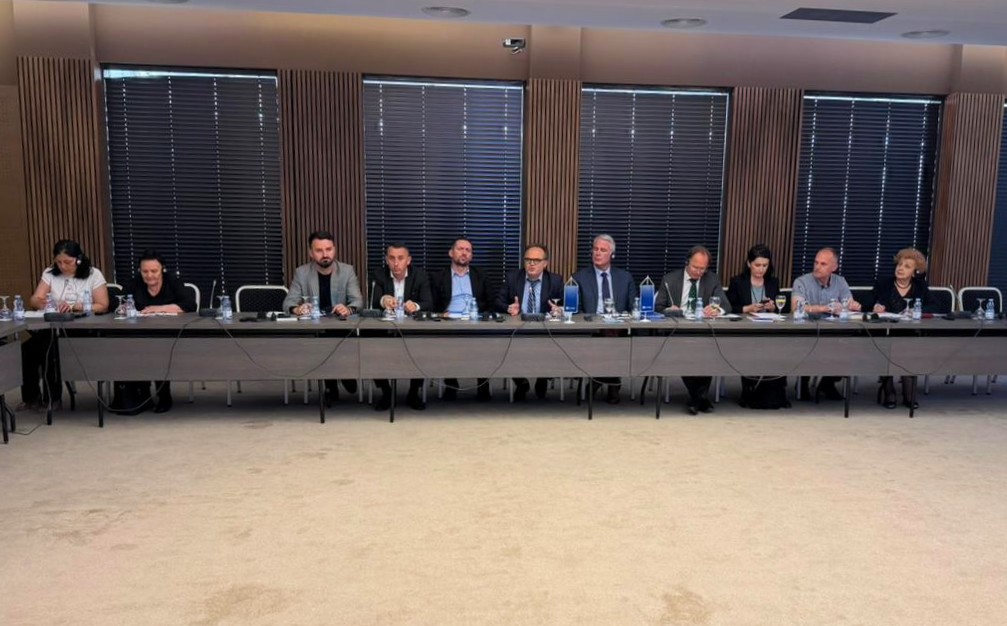
[:en]Baghdad, 30 August 2018: To mark International Day of the Disappeared, the International Commission on Missing Persons (ICMP), in cooperation with the Foundation for Art in Life, organized an event at the National Museum in Baghdad today, which was attended by more than a hundred participants representing almost all government ministries, as well as diplomatic missions and civil society.
Relatives of the missing gave powerful testimonies, describing the challenges that families face when a loved one is a victim of disappearance.
Accompanying the public discussion was an exhibition of art and videography on the theme of missing persons, created by artists from throughout Iraq and from different communities and ethnic groups, exploring the missing persons theme. During the event, the celebrated cellist, Karim Wasfi, played an original composition marking International Day of the Disappeared.
In their remarks, government officials agreed on the need for a proactive response to the issue of missing persons in Iraq, where between 250,000 and one million people are believed to be missing following decades of conflict and repression. ICMP is working with the authorities to develop legislative and institutional mechanisms to account for the missing, and working with families of the missing to support their efforts to access the right to truth, justice and reparations.
Welcoming participants, ICMP Deputy Head of Mission in Iraq Fawaz Abdulabbas stressed that ICMP is working with the authorities in Iraq “to develop laws and institutions that can maintain a long-term missing persons process based on the rule of law”.
Dr. Ali Akram of the High Commission on Human Rights said that in light of the hundreds of thousands of Iraqis who have gone missing, “we have to create a constant coordination between the Iraqi Government and international organizations, including ICMP, to end the suffering of the families and provide reparation for the survivors to live in dignity.”
Former member of the Committee on Enforced Disappearances Mohammed Al-Obaidi urged the authorities to comply with the requirements of the International Convention on Enforced Disappearances, which Iraq signed in 2010, noting that, “when someone is missing in a country, it is the government’s responsibility to take action that will lead to justice and prevent future incidents.”
Furat Al-Jamil of the Foundation for Art in Life highlighted the usefulness of forensic art, which, he noted, “has come very far since last century as a tool that can be used in the process of identifying missing persons.”
Karim Kanaan Wafsi of Peace through Arts said, “art can connect survivors and preserve memory.”
Tamem Waled, a survivor from Mosul, explained the complicated legal system that affects the status of his own family after his father was executed by Da’esh, concluding that “my family wish to have a grave for him, so that we can go and pray at his grave; but we do not even have that.”
William Warda of the Hammurabi Human Rights Organization called for “a central database for the whole of Iraq that collects all and updates data on missing persons, ensuring that it is coordinated.”
Ali Simoqy, ICMP’s Civil Society Initiatives Program Coordinator in Iraq, spoke about the impact of the missing persons’ issue on the Yezidi community, noting that the high number of women left to support families may have been responsible for “a rise in the incidence of suicide in the Yezidi community.”
Himan Ramzi from the Tulai Organization of the Turkmen Affairs said that while hundreds of women and children from this community have been abducted by Da’esh, “this has not attracted the same attention as other atrocities”. He also alluded to the fact that social stigma has sometimes complicated efforts to reintegrate abductees after they have been rescued.
Dr. Amira Al Baldawi of the Um Al Yateem Development Foundation highlighted the challenges that women survivors face in providing for families and stressed the need for “greater levels of support for these families so that the impact of the missing persons issue is not transmitted to future generations.”
ICMP’s Head of Civil Society Initiatives in Iraq, Carrie Comer, alluded to the fact that the International Day of the Disappeared is being observed throughout the world, but “for families of the missing, every day is the Day of the Disappeared.”
ICMP has been engaged in Iraq since 2001 and opened an office in Baghdad in 2008 and in Erbil in 2010. ICMP has provided more than 100 technical assistance and training activities. More than 250 specialist officials have received training from ICMP in basic and advanced techniques for locating and recovering the remains of missing persons. In addition, more than 30 Iraqi scientists have participated in ICMP training programs for DNA analysis and more than 40 Iraqi specialists have received training in ante-mortem data processing, including DNA reference sample collection. Since 2016 ICMP has provided operational support to Iraqi experts safeguarding gravesites in Sinjar and excavating mass graves in Tikrit, including the graves at Camp Speicher. ICMP has also worked with families of the missing and other civil society groups in strengthening their capacities so that they can participate more effectively in the process of locating the missing.
ICMP is a treaty-based international organization with headquarters in The Hague. Its mandate is to secure the cooperation of governments and others in locating and identifying missing persons from conflict, human rights abuses, disasters, organized crime, irregular migration and other causes and to assist them in doing so. It is the only international organization tasked exclusively to work on the issue of missing persons.[:ar]
بغداد، 31 أغسطس 2018: بمناسبة اليوم العالمي للمفقودين، قامت اللجنة الدولية لشؤون المفقودين، وبالتعاون مع مؤسسة الفن في الحياة بتنظيم فعالية في متحف بغداد الوطني، وقد حضرها أكثر من 100 مشارك يمثلون معظم الوزارات الحكومية، وكذلك البعثات الدبلوماسية والمجتمع المدني.
وقد شارك أقارب المفقودين في هذه الفعالية، وقاموا بوصف ما مروا به من تحديات ومعاناة عند تعرض أحد أقاربهم للاختفاء.
وصاحَب النقاش العام معرضٌ للفنون والفيديوهات التي تمحورت حول موضوع الأشخاص المفقودين، وقام بإبداعها عدد من الفنانين من مختلف أنحاء العراق ومن مختلف المجتمعات والمجموعات الإثنية فيها، وذلك لإبراز موضوع الاشخاص المفقودين. وأثناء الفعالية، قام كريم وصفي، عازف التشيلو الشهير، بعزف مقطوعة موسيقية بمناسبة اليوم العالمي للمفقودين.
ومن جهتهم، عبّر الممثلون الحكوميون عن الحاجة إلى استجابة استباقية لقضية الأشخاص المفقودين في العراق، حيث يتراوح عدد المفقودين ما بين 250,000 ومليون شخص، وذلك بعد عقود من القمع والنزاعات. تتعاون اللجنة الدولية لشؤون المفقودين مع السلطات في تطوير آليات تشريعية ومؤسسية لتحديد هوية الأشخاص المفقودين، وتتعاون مع العائلات لدعم مجهوداتها في تحصيل حقوقها في معرفة الحقيقة، وتحقيق العدالة، والحصول على التعويضات.
وبعد أن رحّب بالمشاركين، أكّد السيد فواز عبدالعباس، نائب رئيس بعثة اللجنة الدولية لشؤون المفقودين في العراق، على أنّ اللجنة الدولية لشؤون المفقودين تعمل مع السلطات العراقية “لتطوير قوانين ومؤسسات قادرة على الحفاظ على عملية تحديد هوية المفقودين على المدى الطويل بناءً على سيادة القانون”.
أمّا د. علي أكرم ممثل المفوضية العليا لحقوق الإنسان فقد قال وفي ضوء وجود مئات الآلاف من العراقيين المفقودين، “علينا إيجاد تنسيق ثابت بين الحكومة العراقية والمنظمات الدولية، بما في ذلك اللجنة الدولية لشؤون المفقودين؛ وذلك لإنهاء معاناة العائلات وتقديم التعويضات للناجين حتى يعيشوا بكرامة.”
وقد حثّ العضو السابق في اللجنة المعنية بالاختفاء القسري، السيد محمد العبيدي السلطات على الامتثال لمتطلبات الاتفاقية الدولية الخاصة بالاختفاء القسري، والتي وقع العراق عليها في عام 2010، وأشار إلى أنه ” إذا فَقد أحد الأشخاص في دولة ما، فإنه من مسؤولية الحكومة اتخاذ الإجراءات اللازمة لتحقيق العدالة ومنع الحوادث المشابهة مستقبلاً.”
أمّا بالنسبة لـ فرات جميل، ممثل مؤسسة الفن في الحياة، فقد سلّط الضوء على فائدة فنون الطب الشرعي، قائلاً “لقد تقدم مجال الطب الشرعي للغاية مقارنة بما كان عليه في القرن الماضي، بكونه أداة يمكن استخدامها في عملية تحديد هوية الأشخاص المفقودين.”
وقال كريم كنان وصفي ممثل السلام عبر الفنون “يستطيع الفن ربط الناجين وتخليد الذكريات.”
وتحدث تمام وليد، ناجٍ من الموصل، عن تعقيدات النظام القانوني التي أثرت على حالة عائلته بعد أن تم إعدام والده من قبل داعش، وختم قوله “تتمنى عائلتي وجود قبر لوالدي، لتتسنى لنا زيارته والدعاء له، ولكن حتى هذا صعب المنال.”
ودعى وليام وردة من منظمة حمورابي لحقوق الإنسان إلى ضرورة “وجود قاعدة بيانات مركزية للعراق ككل، يتم فيها جمع بيانات الأشخاص المفقودين وتحديثها، والحرص على تنسيقها.”
وقد تحدث علي سيموقي، منسق برنامج مبادرات المجتمع المدني التابع للجنة الدولية لشؤون المفقودين في العراق، عن أثر قضية الأشخاص المفقودين على المجتمع الأيزيدي، مشيراً إلى أن العدد الكبير من النساء اللواتي تُركن لدعم عائلاتهن، قد يكون سبباً في ” زيادة حوادث الانتحار في المجتمع الأيزيدي.”
أمّا هيمان رمزي، ممثل منظمة تولاي لشؤون التركمان قال بأنه وبينما قد تم اختطاف المئات من النساء والأطفال من قِبل داعش، فإن ذلك” لم يجذب الاهتمام نفسه الذي تلقته الفظائع المرتكبة الأخرى”. كما ألمح إلى أن وصمة العار الاجتماعية أدّت في بعض الأحيان إلى تعقيد الجهود الرامية إلى إعادة إدماج المخطوفين بعد إنقاذهم.
وقد سلطت د. أميرة البلداوي، ممثلة مؤسسة أم اليتيم للتنمية، الضوء على التحديات التي تواجهها النساء الناجيات في توفير لقمة العيش لعائلاتهن، وشدّدت على الحاجة إلى “مستويات أكبر من الدعم لهذه العائلات، وذلك حتى لا ينتقل أثر قضية المفقودين إلى الأجيال اللاحقة.”
وقد ألمحت كاري كومر، رئيسة مبادرات المجتمع المدني في العراق والتابعة للجنة الدولية لشؤون المفقودين، إلى حقيقة أنّ اليوم العالمي للمفقودين تتم مراقبته وملاحظته في جميع أنحاء العالم، ولكن “بالنسبة لعائلات المفقودين، فإن كل يوم يمر عليهم هو يوم المفقودين.”
بدأت اللجنة الدولية لشؤون المفقودين بالعمل في العراق في العام 2001، وافتتحت مكتباً لها في بغداد في عام 2008، ومكتباً آخر في إربيل في عام 2010. وقد قامت اللجنة بتوفير ما يزيد عن 100 مساعدة فنية ونشاط تدريبي. وقد تلقى أكثر من 250 مسؤول مختص، تدريباً حول التقنيات الأساسية والمتقدمة والمستخدمة في تحديد مواقع الرفات البشري للمفقودين وتحديد هوية أصحابه من قِبل اللجنة الدولية لشؤون المفقودين. وعلاوة على ذلك، شارك أكثر من 30 عالماً عراقياً في برامج التدريب التابعة للجنة والمتمحورة حول موضوع تحليل الحمض النووي، وتلقى أكثر من 40 عراقياً مختصاً التدريب حول معالجة البيانات قبل الوفاة، بما في ذلك جمع عينات مرجعية من الحمض النووي. ومنذ العام 2016، تقوم اللجنة الدولية لشؤون المفقودين بتقديم الدعم التشغيلي للخبراء العراقيين لحماية المقابر في سنجار، ونبش المقابر الجماعية في تكريت، بما في ذلك القبور الموجودة في معسكر سبايكر. وقد قامت اللجنة الدولية لشؤون المفقودين بالعمل مع عائلات المفقودين ومجموعات المجتمع المدني الأخرى؛ لتعزيز إمكانياتها حتى تستطيع المشاركة بفعالية أكبر في عملية تحديد مواقع المفقودين.
اللجنة الدولية لشؤون المفقودين، هي منظمة قائمة على المعاهدات ويقع مقرها الرئيسي في لاهاي. ومن واجبها ضمان تعاون الحكومات وغيرها في تحديد هوية الأشخاص المفقودين جرّاء الصراعات، والكوارث، والجرائم المنظّمة، وانتهاكات حقوق الإنسان، والهجرة غير الشرعية وغيرها من الأسباب، ولمساعدتها على القيام بذلك. وهي المنظمة الدولية الوحيدة المكلّفة حصراً بالعمل على قضية الأشخاص المفقودين.
[:]