[:en]The Hague, 7 October 2020 – A new International Commission on Missing Persons (ICMP) report that summarizes a year of policy discussions among Syrian civil society organizations (CSOs) and partners concludes that immediate action is needed to lay the groundwork for a future in which Syria’s missing can be accounted for.
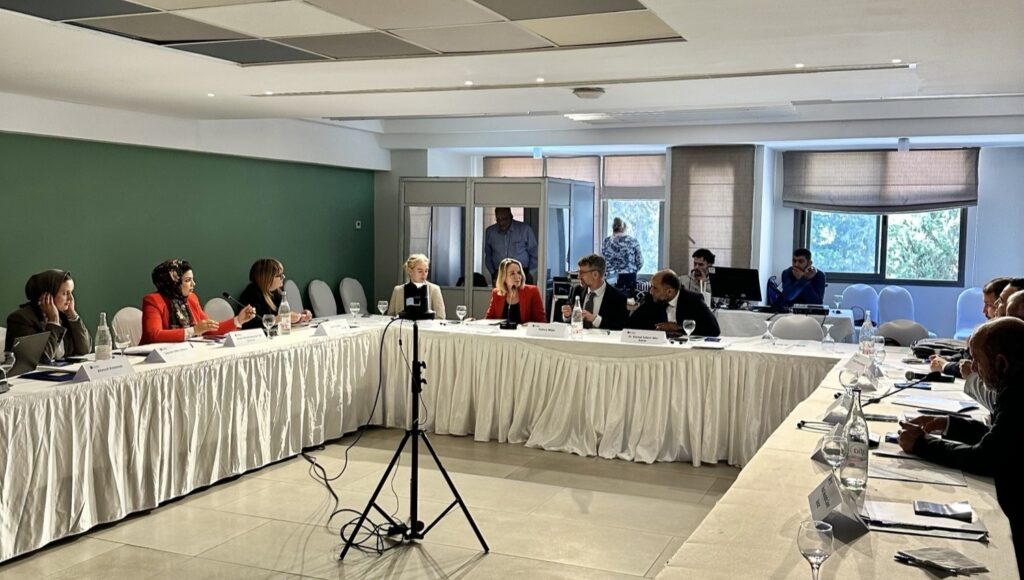
The Syria Policy Process was facilitated by the ICMP and held under Chatham House rules from May 2019 to May 2020, provided a platform for Syrian CSOs and families to develop a shared vision on concrete measures that could be jointly undertaken to account for the missing.
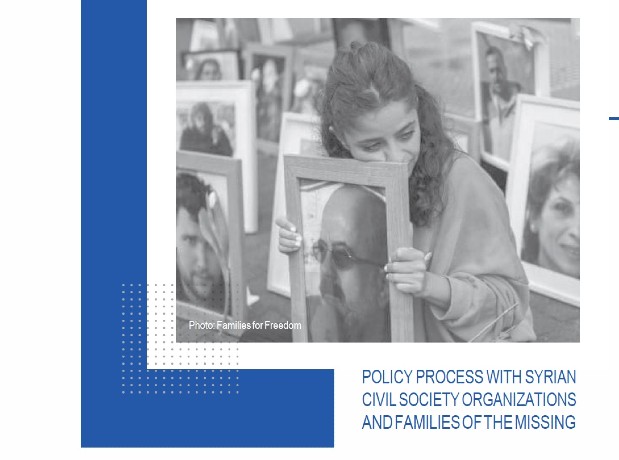
Discussions at sessions held in The Hague, Istanbul and online – due to the Covid-19 pandemic – are summarized in the report, titled “Accounting for Missing Persons is an Investment in Peace: ICMP Syria Policy Process with Syrian Civil Society Organizations and Families of the Missing”.
About 100,000 persons are missing from the current conflict, according to UN estimates, and more are missing from human rights abuses and other causes prior to the conflict. In addition, many Syrians have disappeared during their migration to Europe and other locations.
The report, launched on 7 October, states that “Syrian CSOs and families want to secure the rights to justice, truth and reparations, including proper investigations and holding perpetrators to account,” and notes that the participating organizations “want assurances that a future constitution will guarantee and protect the right to effective investigations and ensure that perpetrators are held to account.”
In the introduction, ICMP Director-General Kathryne Bomberger underlines the need for Syria to account for missing persons in line with the rule of law:
“The legal basis of a process to investigate missing and disappeared persons cases has become broadly understood as an essential pillar of securing human rights and the rule of law in a future Syria. Commencing technical processes to locate and identify missing persons, including missing detainees, in a systematic manner is recognized universally as an urgent next step.”
Hilde Hardeman, Director and Head of Service at the European Commission’s Service for Foreign Policy Instruments, which funded the policy process, underlined the importance of the issue of missing persons for justice and cohesion in the report’s foreword:
“Accounting for the missing is key to the European Union’s work for transitional justice and accountability. ICMP has an important role to play in ensuring an effective, long-term effort to secure truth and justice for survivors and all Syrians.”
The report notes that “an official, comprehensive central database will be a key tool that must be available to post-conflict justice and related institutions responsible for accounting for missing persons and for investigating the circumstances of their disappearance,” and adds that participants called for such a central database to be administered by a reliable international third party.
Such a database could build on work that has already been done, the report notes. Syrian CSOs in partnership with ICMP have, as of October 2020, collected and uploaded information on almost 14,000 missing and disappeared persons cases through the ICMP’s Online Inquiry Center.
Policy process participants also identified the need for a charter that lays out ethical principles that different CSOs can adhere to, noting that this could function as a building block for cooperation among diverse organizations with different profiles and interests. They requested that ICMP facilitate the convening of a Policy Coordination Group that would develop such a charter. Such a group would comprise families of the missing, CSOs and international organizations and would be responsible for developing proposals for the type of post-conflict missing persons institution, legislation and central records that will be required in Syria.
ICMP’s Syria Program, launched in 2016 with EU support, is working to lay the foundations for an effective process to address the issue of the missing, and to help Syrian families of the missing, with special focus on those now headed by women, so that they can form support networks and develop the resilience and understanding needed to drive the process of locating the missing.
The report is available on: LINK
To request interviews and more information, please contact the ICMP.
About ICMP
ICMP is a treaty-based international organization that seeks to ensure the cooperation of governments and others in locating missing persons from conflict, human rights abuses, disasters, organized crime, migration, and other causes, and to assist them in doing so. ICMP also supports the work of other organizations in their efforts, encourages public involvement in its activities and contributes to the development of appropriate expressions of commemoration and tribute to the missing.
As an international organization exclusively tasked to address the issue of missing persons, ICMP is actively engaged in working with governments, civil society organizations, justice institutions, international organizations, and others to develop purpose-specific institutions and legislation, to foster the growth and influence of civil society groups and families of the missing, and to provide cutting-edge technical expertise and tools, such as DNA and advanced data systems technologies to locate and identify the missing. ICMP works to secure the rights of all families of the missing to justice, truth and reparations.[:ar]لاهاي, 7 تشرين الاول 2020: في تقرير تنشره اللّجنة الدولية لشؤون المفقودين، يؤكد ممثلون عن منظمات المجتمع المدني السوري على ضرورة اتخاذ إجراءات جدية بشأن المفقودين السورين. يأتي هذا التقرير ليلخص عاماً من المناقشات التي يسرتها اللجنة الدولية لشؤون المفقودين حول السياسات بين منظمات المجتمع المدني السوري وشركاء آخرين للمباشرة في الطريق لمستقبل قد يُعرَف فيه مصير مفقودي سوريا. كذلك فإن هذه الجلسات كانت بمثابة منصة لمنظمات المجتمع المدني والعائلات السورية لتطوير رؤية مشتركة حول التدابير الملموسة التي يمكن اتخاذها لمعرفة مصير المفقودين. يجدر الذكر أن هذه المناقشات جرت بموجب قواعد تشاتام هاوس بين أيار/مايو 2019 وأيار/ مايو 2020.
وتتلخص المناقشات التي جرت خلال جلسات عُقدت في لاهاي واسطنبول وعبر الإنترنت – بسبب فيروس كورونا – في تقرير شامل تحت عنوان “معرفة مصير المفقودين استثمارًا في صناعة السلام: الآلية السياسية السورية الخاصة باللجنة الدولية لشؤون المفقودين بالمشاركة مع منظمات المجتمع المدني السورية وعائلات المفقودين”.
قارب عدد المفقودين 100 ألف شخص في النزاع الحالي بحسب تقديرات الأمم المتحدة عدا المفقودين جراء انتهاكات حقوق الإنسان وأسباب أخرى قبل النزاع والهجرة إلى أوروبا وأماكن أخرى.
وقد ورد في التقرير الصادر في 7 تشرين الاول أن “منظمات المجتمع المدني والعائلات السورية تريد ضمان حقوقها في العدالة ومعرفة الحقيقة والحصول على تعويضات بما يشمل إجراء تحقيقات ملائمة ومحاسبة الجناة”، وأنها “تريد ضمانات بأن الدستور المستقبلي سيكفل وسيحمي الحق في إجراء تحقيقات فعالة وسيضمن محاسبة المرتكبين.”
في مقدّمة التقرير، تشدّد المديرة العامة للّجنة الدولية لشؤون المفقودين كاثـرين بومبـيـرجـر على حاجة سوريا إلى معرفة مصير المفقودين بموجب حكم القانون وتقول: “بات الأساس القانوني لعملية التحقيق في قضايا المفقودين والمختفين مفهومًا على نطاق واسع باعتباره ركيزة أساسية لضمان حقوق الإنسان وسيادة القانون في سوريا المستقبل. إن الشروع بالعمل ضمن آليات تقنية هو الخطوة التالية والعاجلة لتحديد مكان الأشخاص المفقودين والمحتجزين والتعرف عليهم بطريقة منهجية معترف بها عالميًا.
وشدّدت هيلدي هاردمان، مديرة ورئيسة دائرة خدمة أدوات السياسة الخارجية التابعة للمفوضية الأوروبية، التي موّلت-الآلية الخاصة بالسياسات، على أهمية قضية المفقودين لناحية إحقاق العدالة والترابط الاجتماعي في مقدّمة التقرير:
“أن معرفة مصير المفقودين هو مفتاح عمل الاتحاد الأوروبي من أجل إحقاق العدالة في المرحلة الانتقالية والمساءلة. وستقوم اللجنة الدولية لشؤون المفقودين بدور مهم لضمان بذل جهود فعالة على المدى الطويل تكفل معرفة الحقيقة وإحقاق العدالة للناجين وجميع السوريين.”
ويشير التقرير إلى “ضرورة توفير قاعدة بيانات مركزية شاملة ورسمية كأداة رئيسية للعدالة بعد انتهاء النزاع للمؤسسات المعنية المسؤولة عن معرفة مصير المفقودين وعن التحقيق في ظروف اختفائهم”، ويضيف أن المشاركين طلبوا إدارة قاعدة البيانات المركزية هذه من قبل جهة خارجية دولية جديرة بالثقة.
وتستند قاعدة البيانات هذه إلى العمل الذي أنجِز بالفعل حسبما أفاد التقرير حيث تولّت منظمات المجتمع المدني السوري بالشراكة مع اللجنة الدولية لشؤون المفقودين جمع معلومات اعتبارًا من تشرين الاول لحوالي 14,000 حالة مفقود ومختفٍ وتحميلها عبر مركز اللجنة للاستفسار عبر الإنترنت.
كما أكد المشاركون في الآلية السياسية الحاجة إلى وضع ميثاق يعرض المبادئ الأخلاقية التي بإمكان مختلف منظمات المجتمع المدني الالتزام بها مع الإشارة إلى أن هذا الميثاق قد يشكّل ركيزة للتعاون بين منظمات متعدّدة ذات خصائص ومصالح مختلفة. وطلبوا من اللجنة الدولية لشؤون المفقودين تسهيل انعقاد مجموعة لتنسيق السياسات من شأنها وضع هذا الميثاق. وستتألف هذه المجموعة من عائلات المفقودين، ومنظمات المجتمع المدني ومنظمات دولية وستتولى مسؤولية إعداد اقتراحات بشأن نوع المؤسسة المعنية بالبحث عن المفقودين بعد انتهاء النزاع، والتشريعات والسجلات المركزية التي ستكون مطلوبة في سوريا.
ويعمل برنامج سوريا الخاص باللجنة الدولية لشؤون المفقودين، الذي أطلِق في العام 2016 بدعم من الاتحاد الأوروبي، على وضع أسس عملية فعالة لمعالجة قضية المفقودين ومساعدة عائلات المفقودين السوريين مع التركيز بنوع خاص على العائلات التي باتت فيها النساء معيلات للأسَر كي تشكّل شبكات دعم وتعزّز المناعة والتفاهم المطلوبين لقيادة عملية تحديد أماكن المفقودين.
يتوفر التقرير على: الرابط
لطلب إجراء مقابلات والحصول على معلومات إضافية، يرجى الاتصال باللجنة الدولية لشؤون المفقودين.
حول اللجنة الدولية لشؤون المفقودين
اللجنة الدولية لشؤون المفقودين هي منظمة دولية قائمة على أساس معاهدة وتسعى إلى ضمان تعاون الحكومات وغيرها من الجهات في تحديد مكان المفقودين نتيجة النزاعات وانتهاكات حقوق الإنسان والكوارث والجريمة المنظمة والهجرة وغيرها من الأسباب، ومساعدتها في القيام بذلك. كما تدعم اللجنة الدولية لشؤون المفقودين عمل المنظمات الأخرى في جهودها، وتشجّع المشاركة العامة في أنشطتها، وتساهم في تطوير الأشكال المناسبة لإحياء ذكرى المفقودين وتكريمهم.
وبصفتها المنظمة الدولية الوحيدة المكلفة حصرًا بمعالجة قضية الأشخاص المفقودين، تشارك اللجنة الدولية لشؤون المفقودين بنشاط في العمل مع الحكومات ومنظمات المجتمع المدني ومؤسسات العدالة والمنظمات الدولية وغيرها من الجهات لتطوير مؤسسات وتشريعات محدّدة الغرض، ولتعزيز نمو وتأثير مجموعات المجتمع المدني وعائلات المفقودين، وتوفير الخبرات والأدوات التقنية الرائدة، مثل تقنيات الحمض النووي وأنظمة البيانات المتقدّمة لتحديد مكان المفقودين والتعرف عليهم. وتعمل اللجنة الدولية لشؤون المفقودين على ضمان حقوق جميع عائلات المفقودين في العدالة ومعرفة الحقيقة وجبر الضرر.[:]