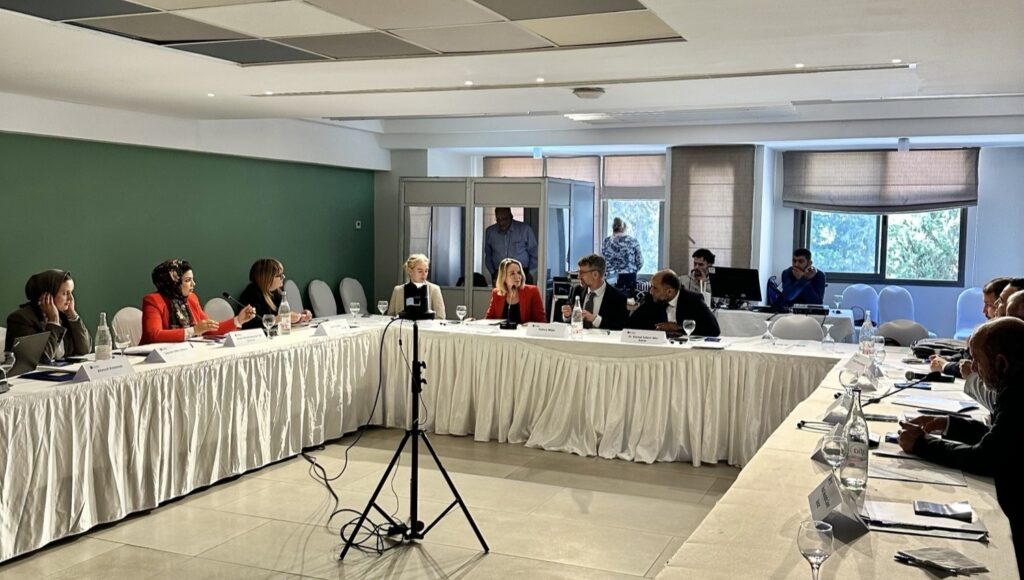
[:en]The Hague, 13 July 2021 – The Policy Coordination Group (PCG), a Syrian-led initiative on the missing and disappeared facilitated by ICMP, this week adopted an Ethical Charter.
This Charter contains ethical standards and codes of conduct to be followed during data collection and documentation of missing persons. The Charter prioritizes the rights of victims and embodies a rights-based approach to accounting for missing persons. It stipulates that data must be processed according to clearly stated legal provisions, while maintaining confidentiality, transparency, neutrality and non-discrimination. The principles outlined in the Ethical Charter apply to all forms of data and evidence, from oral testimonies to the handling of human remains exhumed from mass and clandestine graves.
The Ethical Charter establishes a set of principles to guide data collection and documentation and support best practice. Some of these principles are already enshrined in international instruments, while others reflect lessons learned from more than decade of data collection and documentation in the Syrian context.
At its meeting this week, the PCG called on all Syrian and international organizations, and others involved in data collection and documentation to uphold the principles enshrined in the Ethical Charter in order to ensure the highest standards in the treatment of survivors, families of the missing and witnesses. These principles should also guide the work of other actors providing services and assistance to victims and witnesses, such as those providing referral services. The PCG urged families of missing persons and survivors as well as witnesses to refrain from participating in any documentation process that does not adhere to these principles.
To ensure that the principles are followed when collecting data and documenting cases of missing persons in Syria and among Syrians, the PCG urges relevant organizations and agencies to publish the Ethical Charter on their websites as confirmation of their commitment to these principles.
At its session this week, the PCG finalized a report titled “Syria: Towards Addressing the Issue of Missing Persons”. The report will be submitted to the Universal Periodic Review of the Syrian Arab Republic in the 40th Session of the UN Human Rights Council.
“The ethical charter and the principles applied in it are excellent, I’ve read it many times, it’s very comprehensive and I believe it is a step forward in addressing this issue.” one group member said in the meeting, held under Chatham House Rules.
More than 100,000 persons are believed to be missing as a result of the current conflict in Syria. In addition, the country has a legacy of missing and disappeared persons cases linked to human rights abuses and other causes prior to the conflict, and Syrians who have fled the fighting have gone missing along migratory routes.
ICMP’s assistance to the Syria Policy Coordination Group is funded by the European Union through the support the EU provides to ICMP’s Syria.
About ICMP
ICMP is a treaty-based international organization with Headquarters in The Hague, the Netherlands. Its mandate is to secure the cooperation of governments and others in locating missing persons from conflict, human rights abuses, disasters, organized crime, irregular migration and other causes and to assist them in doing so. It is the only international organization tasked exclusively to work on the issue of missing persons.
Contact ICMP[:ar]
لاهاي، 13 يوليو 2021 – اعتمد فريق تنسيق السياسات (PCG) ، وهو مبادرة يقودها السوريون بشأن المفقودين والمختفين والميسّرة من قبل اللجنة الدولية لشؤون المفقودين، هذا الإسبوع ميثاقًا أخلاقيًا.
يحتوي هذا الميثاق على معايير وقواعد سلوك أخلاقية يجب اتباعها أثناء جمع البيانات وتوثيق الأشخاص المفقودين. يعطي الميثاق الأولوية لحقوق الضحايا ويجسد نهجًا قائمًا على الحقوق لتحديد مصير الأشخاص المفقودين وينص على أنه يجب معالجة البيانات وفقًا للأحكام القانونية المنصوص عليها بوضوح، مع الحفاظ على السرية والشفافية والحياد وعدم التمييز. تنطبق المبادئ المذكورة في الميثاق الأخلاقي على جميع أشكال البيانات والأدلة، من الشهادات الشفوية إلى التعامل مع الرفات البشرية المستخرجة من المقابر الجماعية والسرية.
يضع الميثاق الأخلاقي مجموعة من المبادئ لجمع البيانات والتوثيق ودعم أفضل الممارسات لذلك. بعض هذه المبادئ منصوص عليها بالفعل في القوانين الدولية، بينما يعكس البعض الآخر الدروس المستفادة من أكثر من عقد من جمع البيانات والتوثيق في السياق السوري.
في اجتماعه هذا الإسبوع، دعا فريق تنسيق السياسات جميع المنظمات السورية والدولية، وغيرها من المنظمات المعنية بجمع البيانات والتوثيق إلى التمسك بالمبادئ المنصوص عليها في الميثاق الأخلاقي من أجل ضمان أعلى المعايير في التعامل مع الناجين وعائلات المفقودين والشهود. يجب أن توجه هذه المبادئ أيضًا عمل الجهات الفاعلة الأخرى التي تقدم الخدمات والمساعدة للضحايا والشهود، مثل أولئك الذين يقدمون خدمات الإحالة. حث فريق تنسيق السياسات عائلات المفقودين والناجين والشهود على الامتناع عن المشاركة في أي عملية توثيق لا تلتزم بهذه المبادئ.
لضمان اتباع هذه المبادئ عند جمع البيانات وتوثيق حالات الأشخاص المفقودين في سوريا وبين السوريين، تح فريق تنسيق السياسات المنظمات والوكالات ذات الصلة على نشر الميثاق الأخلاقي على مواقعهم الإلكترونية كتأكيد لالتزامهم بهذه المبادئ.
في جلسته ا هذا الإسبوع، أنجز فريق تنسيق السياسات تقريرًا بعنوان “سوريا: نحو معالجة قضية المفقودين”. سيتم تقديم التقرير إلى الاستعراض الدوري الشامل للجمهورية العربية السورية في الدورة الأربعين لمجلس حقوق الإنسان التابع للأمم المتحدة.
“الميثاق الأخلاقي والمبادئ المطبقة فيه ممتازة، لقد قرأته عدة مرات، انه متكامل وأعتقد أنه خطوة إلى الأمام في معالجة هذه المسألة.” قال أحد أعضاء الفريق في الاجتماع، الذي عقد بموجب قواعد تشاتام.
تشير التقديرات في تقرير للأمم المتحدة في عام 2021 إلى أن أكثر من 100,000 شخص أصبح في عداد المفقودين نتيجة للصراع الحالي في سوريا. بالإضافة إلى ذلك، يتواجد في البلاد إرث من الحالات المتعلقة بالأشخاص المفقودين والمختفين المرتبطة بانتهاكات حقوق الإنسان وغيرها من الأسباب التي كانت تحدث قبل النزاع، بالإضافة الى السوريين الفارين من القتال الذين فقدوا عبر طرق الهجرة.
يتم تمويل مساعدة اللجنة الدولية لشؤون المفقودين لفريق تنسيق السياسات السورية من قبل الاتحاد الأوروبي من خلال الدعم الذي يقدمه الاتحاد الأوروبي لبرنامج اللجنة الدولية لشؤون المفقودين في سوريا .
حول اللجنة الدولية لشؤون المفقودين
اللجنة الدولية لشؤون المفقودين هي منظمة حكومية دولية قائمة على المعاهدات ومقرها لاهاي بهولندا وتتمثل مهمتها في تأمين تعاون الحكومات وغيرها في تحديد اماكن الأشخاص المفقودين بسبب النزاعات وانتهاكات حقوق الإنسان والكوارث والجريمة المنظمة والهجرة غير النظامية وغيرها من الأسباب ومساعدتهم في القيام بذلك وهي مكلفة حصراً بالعمل على قضية الأشخاص المفقودين.
[:]