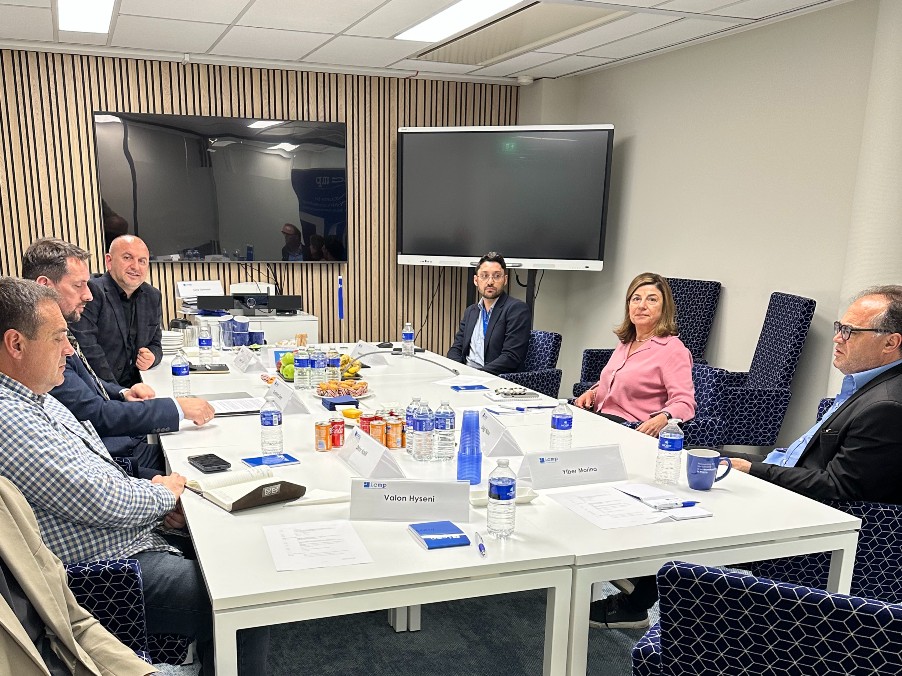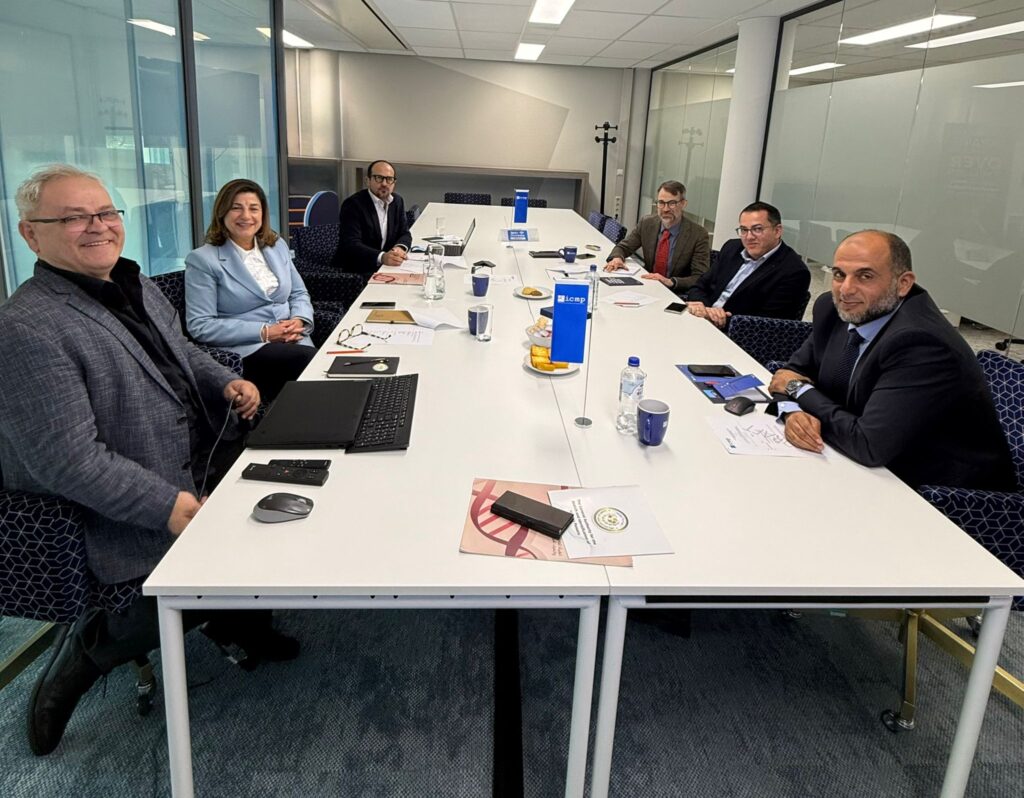
The Hague, 29 October 2025 – Senior officials from Libya’s General Authority for the Search and Identification of Missing Persons (GASIMP) visited the Headquarters of the International Commission on Missing Persons (ICMP) in The Hague to discuss cooperation that can strengthen Libya’s efforts to account for thousands of missing persons.
During the visit, GASIMP Chair Prof. Dr. Kamal Abubaker and ICMP Director-General Kathryne Bomberger discussed areas of technical cooperation and reviewed the significant progress made by the Authority in addressing the issue of missing persons from previous conflicts, particularly the Tarhuna case, as well as the Derna floods.
The two parties agreed to coordinate publication of ICMP’s report on Libya, reflecting existing cooperation. The report estimates the number of missing persons in Libya at between 10,000 and 20,000 as a result of various factors, including past conflicts, migration, and natural disasters. GASIMP continues to expand its national database to address these cases within a comprehensive national framework based on scientific methods.
During the visit, the Libyan delegation reviewed technical experiences in data management and DNA analysis at ICMP Headquarters and discussed avenues of technical cooperation to develop national systems in this field, including the possibility of utilizing ICMP’s Integrated Data Management System (iDMS) to enhance existing national systems in Libya.
“The long-standing relationship with the International Commission on Missing Persons (ICMP) has contributed to the development of technical cooperation and the exchange of expertise. We are currently working to strengthen national capacities and implement international best practice within the framework of comprehensive national leadership for the missing persons file in Libya,” said Dr. Kamal.
The delegation also met with representatives of the Netherlands Forensic Institute (NFI) to discuss cooperation in developing Libyan forensic capabilities, including the possibility of establishing a modern national forensic institute.
“ICMP has been working with Libyan institutions since 2012 and we have been able to deliver a substantial volume of practical support,” Ms. Bomberger said. “In cooperation with stakeholders, we have identified those areas where Libya is now in greatest need of assistance and where ICMP can provide this assistance. In cooperation with GASIMP and other stakeholders, we look forward to implementing recommendations from the report.”
Today’s visit was made possible through the generous support of the Netherland’s Ministry of Foreign Affairs.
About ICMP
ICMP is a treaty-based intergovernmental organization with Headquarters in The Hague, the Netherlands. Its mandate is to secure the cooperation of governments and others in locating missing persons from conflict, human rights abuses, disasters, organized crime, migration and other causes and to assist them in doing so. ICMP also supports the work of other organizations in their efforts, encourages public involvement in its activities and contributes to the development of appropriate expressions of commemoration and tribute to the missing.