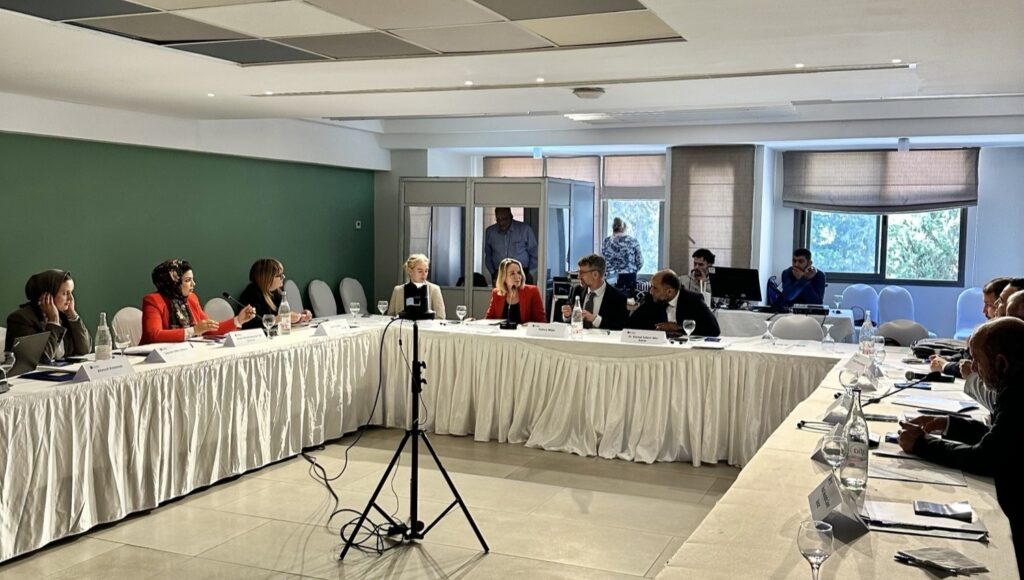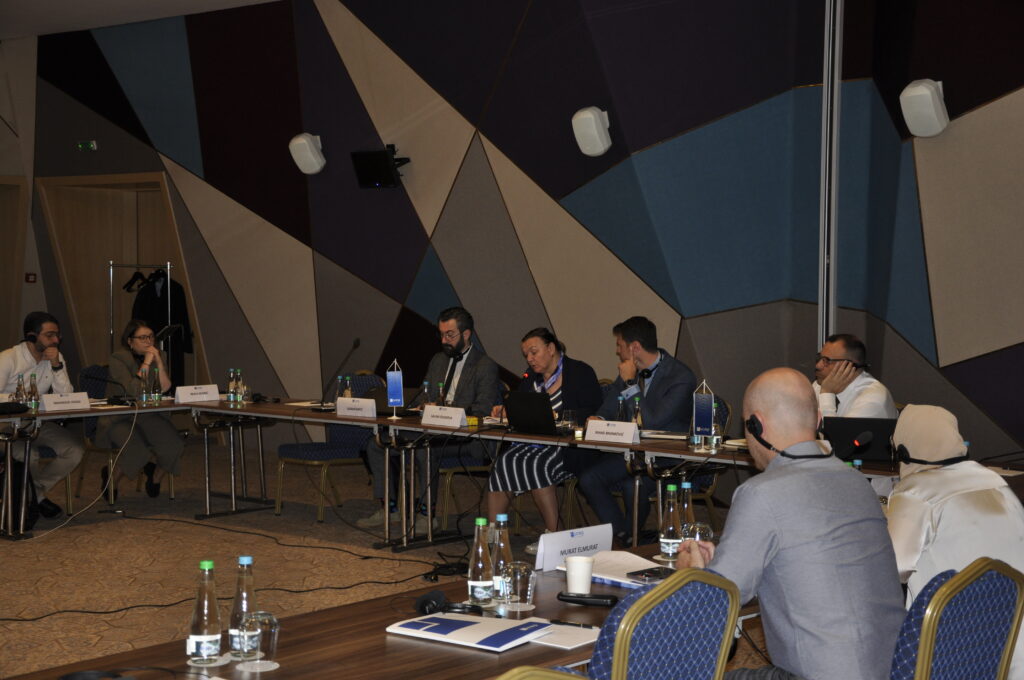
[:en]Sarajevo, 12 June: A group of family representatives and civil society activists from Syria completed a weeklong visit to Bosnia and Herzegovina (BIH) hosted by the International Commission on Missing Persons (ICMP). The visit is part of a program to support the development of an effective strategy to account for the more than 130,000 persons who are missing in the Syrian context, including ongoing cases of disappearances since 2011.
The study visit brought together representatives from different organizations, who had the opportunity to meet with representatives of the BIH Missing Persons Institute, the Ministry for Human Rights and Refugees, and the War Crimes Prosecutor’s Office.
“ICMP is committed to helping Syrian civil society to build a sustainable process to locate all missing persons and to investigate their disappearance and secure the rights of all families to truth, justice, and reparations,” ICMP Director-General Kathryne Bomberger said, noting that strategies that had succeeded in BIH can serve as a potential model.
The Syrian visitors had an opportunity to learn at first-hand about the process implemented in BIH. In the last 25 years, with ICMP assistance and through the pioneering use of DNA, the authorities in BIH have been able to account for 75 percent of the 30,000 people who went missing during the conflict of the 1990s, a ratio that has not been equaled in any other post-conflict country.
The brutality of the Syrian conflict includes the disappearance of men, women, and children who have been abducted, killed, and forcibly disappeared, or have gone missing along migratory routes while fleeing from the fighting.
Semer Aluni, from Families for Freedom said, “This visit was very useful. We heard about important experiences – especially of women – in Bosnia and Herzegovina, and I hope we will learn from their example. In Syria, we have many victims, dead, detained and missing, and at this moment many of our people are being tortured and killed. What we have seen here gives us additional strength in the pursuit for truth and justice.”
Afef Alrasheed, from Syria Bright Future said, “I am very happy that I had the opportunity to visit Bosnia and Herzegovina and meet the families of the missing, especially the strong women of Srebrenica. I saw how steel-willed these people are. Although I am a lawyer, and I have been working on the issue of missing persons for years, in front of these people, in front of these women, I felt like a student. This was a really moving experience.”
ICMP is working with Syrian organizations to advance the development of a comprehensive Central Data Repository on Missing and Disappeared Persons. A secure, centralized and impartial database trusted by all stakeholders is critical if large numbers of missing persons are to be accounted for. To date, more than 70,000 Syrian relatives of the missing have submitted data related to 25,000 missing persons to the Repository.
ICMP has also engaged with more than 4,000 relatives of missing persons to discuss the core elements of a law-based approach to accounting for their loved ones; and it has supported numerous civil society efforts to raise awareness about Syria’s missing and disappeared, to document key sites including reported mass graves, and to secure the meaningful engagement of families.
ICMP is also supporting the development of policy frameworks for future processes to locate all missing persons. The Syrian Policy Coordination Group (PCG), launched in 2020, has developed a series of policy proposals that will inform political negotiations, including the current constitutional talks, and any future political settlement and/or legal reform, as well as an Ethical Charter on data collection from victims of the conflict. The PCG proposals articulate and uphold the rights of the missing and disappeared, of detainees and their families, and endeavor to prevent future rights violations that could result in persons going missing.
About ICMP
ICMP is a treaty-based intergovernmental organization that seeks to ensure the cooperation of governments and others in locating missing persons from conflict, human rights abuses, disasters, organized crime, migration, and other causes, and to assist them in doing so. ICMP also supports the work of other organizations in their efforts, encourages public involvement in its activities and contributes to the development of appropriate expressions of commemoration and tribute to the missing.[:ar]
سراييفو ، 12 يونيو / حزيران: أنهت مجموعة من ممثلي العائلات ونشطاء المجتمع المدني من سوريا زيارة استغرقت أسبوعًا إلى البوسنة والهرسك برعاية اللجنة الدولية لشؤون المفقودين (ICMP). الزيارة هي جزء من برنامج لدعم تطويراستراتيجية فعالة لتحديد مصير أكثر من 130 ألف شخص مفقود في السياق السوري، بما في ذلك حالات الاختفاء المستمرة منذ عام 2011.
جمعت الزيارة ممثلين من منظمات مختلفة، الذين أتيحت لهم الفرصة للقاء ممثلين عن معهد الأشخاص المفقودين في البوسنة والهرسك، ووزارة حقوق الإنسان واللاجئين، ومكتب المدعي العام لجرائم الحرب.
قالت المديرة العامة للجنة الدولية لشؤون المفقودين كاثرين بومبرغر: “تلتزم اللجنة الدولية لشؤون المفقودين بمساعدة المجتمع المدني السوري لبناء عملية مستدامة لتحديد مكان جميع الأشخاص المفقودين والتحقيق في اختفائهم وتأمين حقوق جميع العائلات في الحقيقة والعدالة والتعويضات” ، مشيرة إلى أن يمكن أن تكون الاستراتيجيات التي نجحت في البوسنة والهرسك بمثابة نموذج محتمل.
أتيحت الفرصة للزوار السوريين للتعرف بشكل مباشر على العملية المنفذة في البوسنة والهرسك. في السنوات الخمس والعشرين الماضية، بمساعدة اللجنة الدولية لشؤون المفقودين ومن خلال الاستخدام الرائد للحمض النووي، تمكنت السلطات في البوسنة والهرسك من تحديد مصير 75 في المائة من 30000 شخص فُقدوا خلال صراع التسعينيات، وهي نسبة لم تُعادل في أي بلد آخر في مرحلة ما بعد الصراع.
تشمل وحشية الصراع السوري اختفاء الرجال والنساء والأطفال الذين تم اختطافهم وقتلهم وإخفائهم قسراً أو فقدهم على طول طرق الهجرة أثناء فرارهم من القتال.
وقال سمر علوني، من عائلات من أجل الحرية: “كانت هذه الزيارة مفيدة للغاية. لقد سمعنا عن تجارب مهمة – خاصة بالنسبة للنساء – في البوسنة والهرسك، وآمل أن نتعلم من مثالهن. في سوريا، لدينا العديد من الضحايا بين القتلى والمعتقلين والمفقودين، وفي هذه اللحظة يتعرض الكثير من شعبنا للتعذيب والقتل. ما رأيناه هنا يمنحنا قوة إضافية في السعي وراء الحقيقة والعدالة “.
قالت عفاف الرشيد، من مستقبل سوريا الزاهر: “أنا سعيد للغاية اذ أتيحت لي الفرصة لزيارة البوسنة والهرسك والتعرف على عائلات المفقودين، وخاصة النساء الأشداء في سريبرينيتشا. رأيت صلب إراد هؤلاء الناس. على الرغم من أنني محامية، وأنا أعمل على قضية المفقودين منذ سنوات، إلا أنني شعرت أمام هؤلاء النساء، كأنني طالبة. كانت هذه تجربة مؤثرة حقًا “.
تعمل اللجنة الدولية لشؤون المفقودين مع المنظمات السورية لدفع تطوير مخزن بيانات مركزي شامل حول الأشخاص المفقودين والمختفين. تعد قاعدة البيانات الآمنة والمركزية والحيادية التي يثق بها جميع أصحاب المصلحة أمرًا بالغ الأهمية إذا كان لابد من تحديد أعداد كبيرة من الأشخاص المفقودين. حتى الآن، قدم أكثر من 70.000 سوري من أقارب المفقودين بيانات تتعلق بـ 25.000 مفقود إلى المخزن.
كما انخرطت اللجنة الدولية لشؤون المفقودين مع أكثر من 4000 من أقارب الأشخاص المفقودين لمناقشة العناصر الأساسية لنهج قائم على القانون لتحديد مصير أحبائهم؛ وقد دعمت العديد من جهود المجتمع المدني لزيادة الوعي حول المفقودين والمختفين في سوريا، وتوثيق المواقع الرئيسية بما في ذلك المقابر الجماعية المبلغ عنها، وتأمين المشاركة الهادفة للعائلات.
كما تدعم اللجنة الدولية لشؤون المفقودين تطوير أطرعمل السياسات للعمليات المستقبلية لتحديد مكان جميع الأشخاص المفقودين. قام فريق تنسيق السياسات السوري، التي تم إطلاقها في عام 2020، بتطوير سلسلة من مقترحات التي ستفيد المفاوضات السياسية، بما في ذلك المحادثات الدستورية الحالية، وأي تسوية سياسية و / أو إصلاح قانوني في المستقبل، فضلاً عن ميثاق أخلاقي بشأن جمع البيانات من ضحايا النزاع يوضح مقترحات وتدعم حقوق المفقودين والمختفين والمحتجزين وعائلاتهم، ويسعى لمنع انتهاكات الحقوق المستقبلية التي قد تؤدي إلى فقدان الأشخاص.
عن اللجنة الدولية لشؤون المفقودين
اللجنة الدولية لشؤون المفقودين هي منظمة حكومية دولية قائمة على المعاهدات ومقرها لاهاي بهولندا وتتمثل مهمتها في تأمين تعاون الحكومات وغيرها في تحديد أماكن الأشخاص المفقودين بسبب النزاعات وانتهاكات حقوق الإنسان والكوارث والجريمة المنظمة والهجرة غير النظامية وغيرها من الأسباب ومساعدتهم في القيام بذلك وهي مكلفة حصراً بالعمل على قضية الأشخاص المفقودين.
[:]