[:en]Baghdad 6 December 2020 – As part of work that aims to identify missing persons, Iraqi authorities – supported by the International Commission on Missing Persons (ICMP) – will be at several sites in Southern Iraq to collect information and blood samples for DNA analysis from families of missing persons for 10 days starting 6 December.
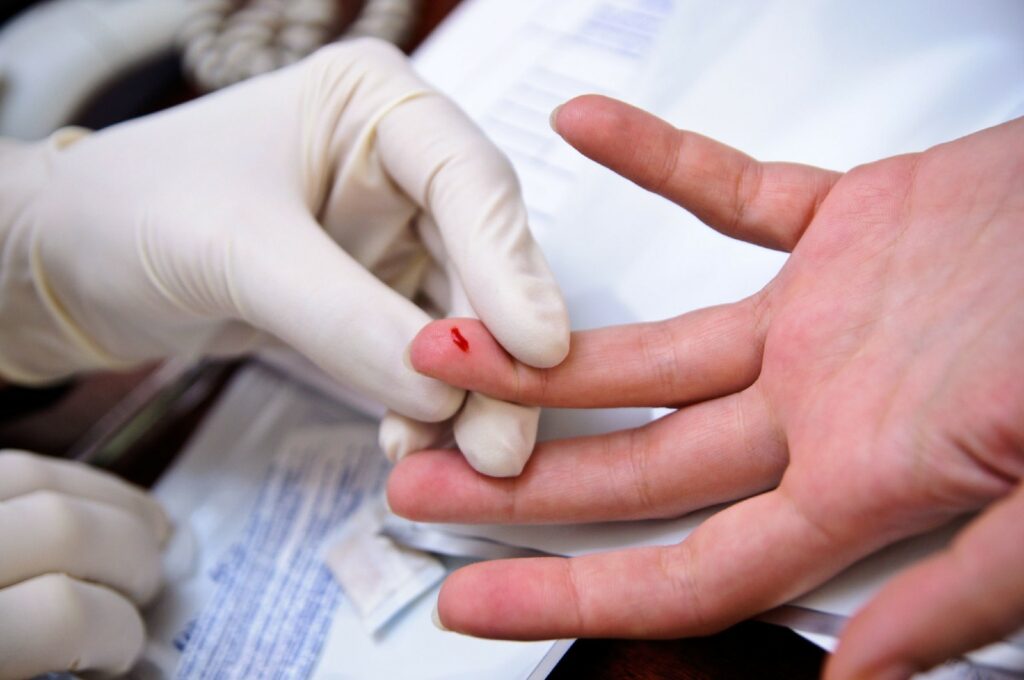
The campaign to collect information and blood drops for genetic testing, targets families whose relatives went missing in atrocities at Badoush prison, where Da’esh allegedly massacred hundreds of prisoners in 2014. Work to excavate a mass grave near the prison is resuming, following a hiatus due to the COVID-19 pandemic.
The Mass Graves Directorate (MGD) of the Martyrs’ Foundation (MF) and the Medico-Legal Directorate (MLD) of the Ministry of Health, as well as ICMP experts, will meet families with missing relatives in Basra, Dhi Qhar, Missan and Wassit for one to three days each. The campaign aims to make it easier for families in these areas to provide information and blood samples, the DNA of which will be analyzed and compared with DNA extracted from human remains exhumed in Badoush. The action is conducted in coordination with the United Nations Investigative Team to Promote Accountability for Crimes Committed by Da’esh/ISIL (UNITAD) and national partners under the auspices of the National Coordination Committee established by the Prime Minister’s office.
“This campaign enables families in Southern Iraq to easily file reports on their missing relatives and to give blood for DNA analysis – these are important first steps needed for authorities to investigate the fate of their family members and identify remains found in mass graves,” said Alexander Hug, Head of the ICMP Program in Iraq.
ICMP began working with Iraqi institutions in 2005 and established an office in Baghdad in 2008 and in Erbil in 2010. ICMP works to assist Iraq in creating a sustainable process to locate all missing persons, regardless of the period of disappearance, the circumstances, or the national/sectarian origin of the missing persons and to secure the rights of all surviving families to truth, justice and reparations. ICMP is also helping Iraq create purpose specific institutions and legislation that are key to a sustainable process.
ICMP’s work in Iraq is currently supported by Germany, the Netherlands and the United States Department of State.
About ICMP
ICMP is a treaty-based intergovernmental organization with Headquarters in The Hague, the Netherlands. Its mandate is to secure the cooperation of governments and others in locating missing persons from conflict, human rights abuses, disasters, organized crime, irregular migration and other causes and to assist them in doing so. It is tasked exclusively to work on the issue of missing persons.
Contact ICMP[:ar]بغداد 6 كانون الأول (ديسمبر) 2020 – كجزء من العمل الذي يهدف إلى التعرف على الأشخاص المفقودين ستقوم السلطات العراقية و بدعم من قبل اللجنة الدولية لشؤون المفقودين (ICMP) بالعمل في عدة مواقع في جنوب العراق لجمع المعلومات وعينات الدم لتحليل الحمض النووي من عوائل الاشخاص المفقودين لمدة 10 أيام تبدأ من 6 كانون الاول.
تستهدف حملة جمع المعلومات وعينات الدم إجراء الاختبارات الجينية للعوائل التي فُقد أقاربها في فظائع سجن بادوش حيث يُزعم أن داعش ذبح مئات السجناء في عام 2014. ويستأنف العمل في تنقيب مقبرة جماعية بالقرب من السجن بعد مدة من الوقت بسبب جائحة كورونا.
ستلتقي دائرة شؤون وحماية المقابر الجماعية التابعة لمؤسسة الشهداء ودائرة الطب العدلي التابعة لوزارة الصحة بالإضافة إلى خبراء اللجنة الدولية لشؤون المفقودين بالعائلات التي فقدت أقاربها في البصرة وذي قار وميسان و واسط لمدة يوم إلى ثلاثة أيام لكل منهم. وتهدف الحملة إلى تسهيل قيام العائلات في هذه المناطق بتوفير المعلومات وعينات الدم والتي سيتم تحليل الحمض النووي الخاص بها ومقارنتها بالحمض النووي المستخرج من الرفات البشرية المستخرجة في بادوش. يتم تنفيذ الإجراء بالتنسيق مع فريق التحقيق التابع للأمم المتحدة لتعزيز المساءلة عن الجرائم التي ارتكبها داعش (اليونيتاد) والشركاء الوطنيين تحت رعاية لجنة التنسيق الوطنية التي أنشأها مكتب رئيس الوزراء.
وذكر الكسندر هوغ رئيس برنامج اللجنة الدولية لشؤون المفقودين في العراق ” أن هذه الحملة تمكن العائلات في جنوب العراق من تقديم تقارير بسهولة عن أقاربهم المفقودين والتبرع بالدم لتحليل الحمض النووي وتعتبر هذه خطوات أولى مهمة لازمة للسلطات للتحقيق في مصير أفراد عائلاتهم وتحديد الرفات التي تم العثور عليها في المقابر الجماعية.”
بدأت اللجنة الدولية لشؤون المفقودين العمل مع المؤسسات العراقية في عام 2005 وأنشأت مكتبًا في بغداد في عام 2008 وفي أربيل في عام 2010. تعمل اللجنة الدولية لشؤون المفقودين على مساعدة العراق في إنشاء عملية مستدامة لتحديد مكان جميع الأشخاص المفقودين بغض النظر عن فترة الاختفاء أو الظروف أو الأصل القومي أو الطائفي للمفقودين وتأمين حقوق جميع العائلات بالاستناد على الحقيقة والعدالة والتعويضات. كما تساعد اللجنة الدولية لشؤون المفقودين العراق في إنشاء مؤسسات وتشريعات محددة الغرض والتي تعتبر أساسية لعملية مستدامة.
يتم دعم عمل اللجنة الدولية لشؤون المفقودين في العراق حاليًا من قبل ألمانيا وهولندا ووزارة الخارجية الأمريكية.[:]