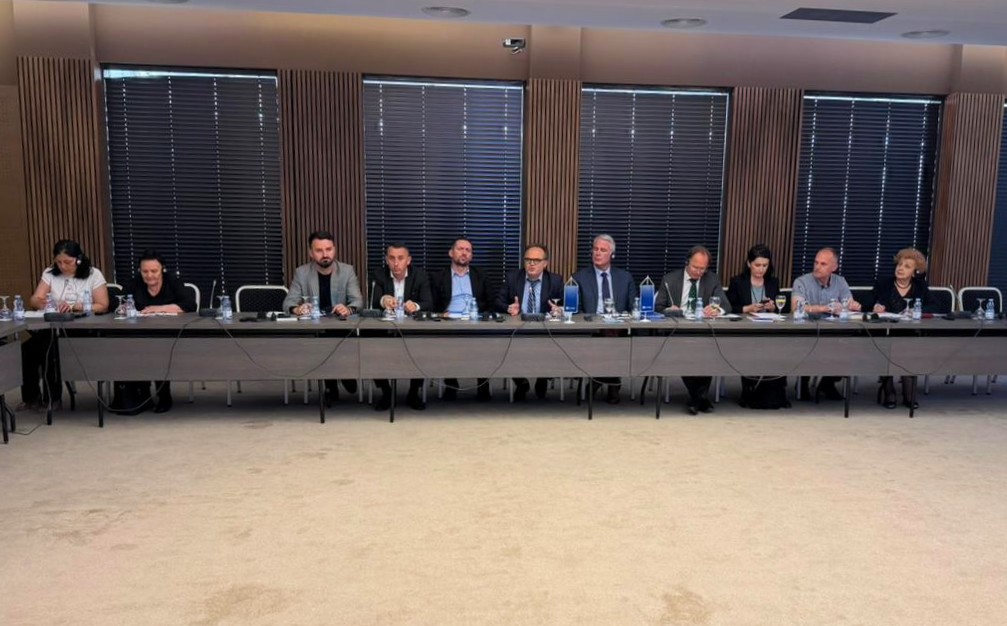
[:en]26 April 2012: ICMP welcomes the signing of an agreement between Serbia and Montenegro on mutual cooperation in the process of locating missing persons. The agreement was signed today in Belgrade by the presidents of the Serbian and Montenegrin Government Commissions on Missing Persons Mr. Veljko Odalović and Mr. Dragan Đukanović. ICMP commends the very constructive relationships that have been established between these and other governments in the region in addressing the issue of missing persons.
“The governments of the region have shown the political will to resolve the issue of the missing and while there is a great deal left to be done I think it is important to note that over 70% of the missing have now been accounted for. This is a unique achievement in a post-conflict situation and owes as much to the dedication of missing persons commissions in the region as it does to the international community’s assistance. I am pleased to say that both Montenegro and Serbia have also indicated that they will sign an ICMP sponsored International Declaration on missing persons”, said ICMP’s Western Balkans Programs Director Adam Boys who attended the signing ceremony on behalf of the ICMP.
Following the cessation of conflicts in the former Yugoslavia, there were 40,000 persons missing and presumed dead. Of this number an estimated 14,000 remain unaccounted for.
In the region ICMP has acquired blood samples from 89,588 relatives of 29,143 missing people, and has analyzed 36,944 bone samples taken from mortal remains recovered from clandestine graves. Through its DNA-led identification process ICMP has so far assisted in the scientific and accurate identification of 16,629 people missing from the conflicts in the former Yugoslavia.
The International Commission on Missing Persons was established in 1996 at the G-7 Summit in Lyon, France, and its primary role is to ensure the cooperation of governments in locating and identifying those who have disappeared during armed conflict or as a result of human rights violations. In addition to its work in the countries of former Yugoslavia, ICMP is actively involved in helping governments and other institutions in various parts of the world.[:bs]ICMP pozdravlja potpisivanje protokola između Srbije i Crne Gore o saradnji u procesu traženja nestalih osoba. Navedeni protokol su danas u Beogradu potpisali predsjednici komisija za traženje nestalih osoba Vlade Srbije i Vlade Crne Gore, Veljko Odalović i Dragan Đukanović. ICMP želi pohvaliti izuzetno konstruktivne odnose koje su na rješavanju pitanja nestalih osoba izgradile ove dvije vlade, ali i vlade drugih zemalja u regionu.
„Vlade u regionu su iskazale političku volju da riješe problem nestalih osoba i mada je preostalo još mnogo da se uradi smatram da je važno istaći kako je preko 70% nestalih danas pronađeno i identifikovano. Ovo je jedinstveno dostignuće u postkonfliktnim situacijama za koje su jednako zaslužne komisije za nestale osobe u regionu i pomoć međunarodne zajednice. Zadovoljstvo mi je da kažem kako su i Crna Gora i Srbija nagovijestile da će potpisati i ICMP-evu međunarodnu deklaraciju o nestalim osobama“, izjavio je Adam Boys, direktor ICMP-ovog programa za Zapadni Balkan, koji je prisustvovao ceremoniji potpisivanja protokola.
Po prestanku sukoba na prostoru bivše Jugoslavije broj nestalih osoba, za koje se pretpostavlja da nisu među živima, iznosio je 40.000. Od ovog broja sudbina oko 14.000 još uvijek nije rasvijetljena.
U ovom regionu ICMP je prikupio krvne uzorke od 89.588 srodnika 29.143 nestale osobe. ICMP je analizirao 36.994 koštana uzorka uzeta sa posmrtnih uzoraka ekshumiranih iz grobnica. Zahvaljujući svojem procesu identifikacije zasnovanom na analizi DNK ICMP je pomogao u naučnoj i preciznoj identifikaciji 16.629 osoba nestalih u sukobima na bivšoj Jugoslaviji.
Međunarodna komisija za nestale osobe (ICMP) je osnovana na 1996. godine, nakon samita zemalja grupe G-7 održanog u francuskom gradu Lyonu. Njen glavni zadatak je da obezbijedi saradnju vlada na lociranju i identifikovanju osoba nestalih tokom oružanih sukoba ili kao rezultat kršenja ljudskih prava. Pored aktivnosti koje obavlja u zemljama nastalim nakon raspada Jugoslavije, ICMP aktivno sudjeluje u procesu pružanja pomoći vladama i drugim institucijama u raznim dijelovima svijeta.
[:ar][:es][:]