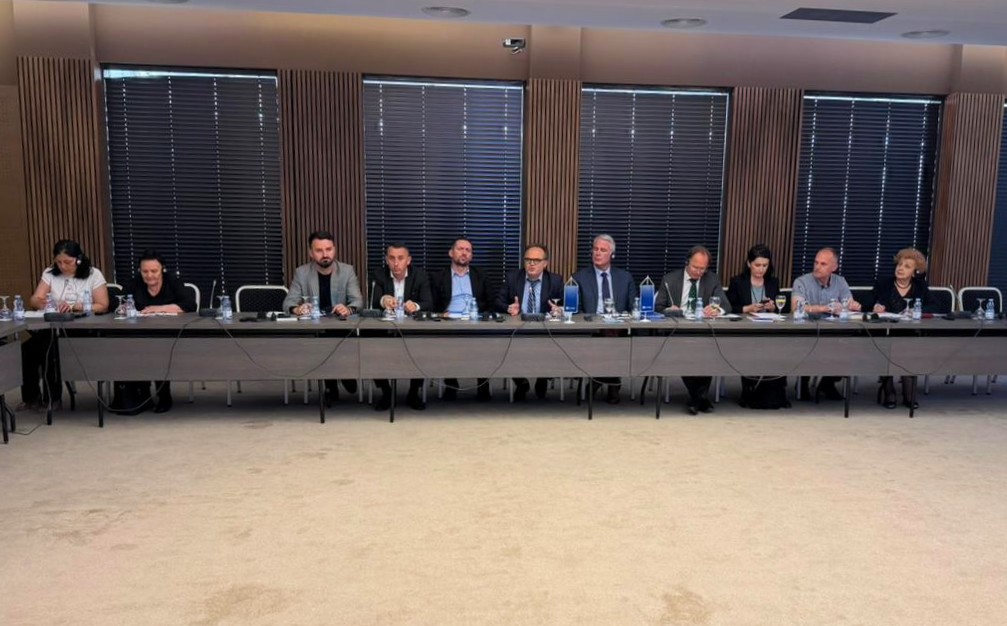
The ICMP, in close cooperation with the Ministry of Martyrs and Anfal Affairs (MoMAA) and the Martyrs Foundation, organized an exchange visit for mothers, widows and daughters of persons who are believed to be victims of the crime of Enforced Disappearance. The organization brought together 14 women from the Basra province, located in the far south of Iraq with 15 women from the Kurdistan Region to exchange experiences and initiate a dialogue beyond ethnic, religious and regional borders. اللجنة الدولية لشؤون المفقودين, وبتعاون وثيق مع وزارة الشهداء وشؤون المؤنفلين ومؤسسة الشهداء, نظمت زيارة متبادلة لأمهات وأرامل وبنات الاشخاص الذين يعتقد انهم ضحايا لجريمة الاختفاء القسري. اللجنة قامت بدعوة 14 امرأة من محافظة البصرة, وتقع في اقصى جنوب العراق, مع 15 امرأة من اقليم كردستان لتبادل الخبرات والشروع في حوار وراء الحدود العرقية والدينية والاقليمية
“This program the first event of its kind in Iraq,” says Sinje Stoyke, the ICMP’s Civil Society Initiatives Program Coordinator, “and it aims to foster mutual understanding between women who suffered similar tragedies under the former regime and probably would never have had the opportunity to tell each other their stories. We hope to inspire the women to form a regional network of directly affected women in Iraq.”
The ICMP flew the women from Basra to Erbil, the capital of the Kurdistan Region of Iraq, where they met with their Kurdish counterparts, along with representatives of the Ministry of Martyrs and Anfal Affairs and the Martyrs Foundation. The women were divided into mixed groups and each group was provided with an interpreter to facilitate communication between Kurdish and Arabic speakers. The participants told stories about their lost loved ones and how they eventually began to cope. The group included women who testified during the trial of Saddam Hussein and the lead actress in the film “Son of Babylon,” which chronicles a woman’s search for her lost son after the fall of the Saddam’s regime.
Nasser Al-Sha’alan, a representative of the Martyrs Foundation said in his opening remarks, «The former regime was the enemy of life. We have to revive the life that the previous regime stole from us.” He continued, “The mass graves we see today are the best proof that the regime did not differentiate between nationalities. The only thing that was «fair» in what the regime did was the distribution of murder among Iraqis.»
The next day, the participants travelled to Sulimaniyah to visit the so-called “Red Prison,” which was an infamous detention center during the reign of former Iraqi dictator Saddam Hussein. Today, the prison is a museum and commemoration center which houses exhibits on the Anfal Campaign, the chemical bombardment of Halabja, and contemporary art and photo collections.

One of the participants, a woman from Basra who lost her husband and her unborn child talked about the importance of mutual understanding, “The reason why this happened to us,” she said, referring to the detention facility, “is because we do not accept each other and we do not know each other. This is the reason why Shi’a and Sunni are fighting and the reason for al-Qaida. We need to bring more people to understand each other.”
Advisor to the Minister for Martyrs and Anfal Affairs, Lanja Dizeyee “An event like this is important because bringing these women from different backgrounds, areas and ethnicities together to tell their stories teaches us that the crimes of the former regime affected everyone. This will be a strong message for future generations and will hopefully help closing the gap the former regime created within the Iraqi society. Ultimately this will help prevent something like what happened in Iraq from happening again.”
“The ICMP strongly believes that sustainable peace can only be established when the voices of the victims are heard and respected,” Says Johnathan McCaskill, the Head of the ICMP’s Iraq Program. “This event is an important step in the process of supporting these women in creating their own strong voice.”
ICMP seeks to secure the co-operation of governments and other authorities in locating and identifying persons missing as a result of armed conflicts, other hostilities or violations of human rights and to assist them in doing so. ICMP pioneered the use of DNA technology to identify large numbers of missing persons. Today ICMP has helped scientifically identify more than 18,000 persons and its database houses 150,000 genetic samples.
ICMP also contributes to institutional reform and provides assistance to judicial institutions. It works with civil society organizations, encourages public involvement in its activities, and contributes to the development of appropriate expressions of commemoration and tributes to the missing.
سينيا ستويك منسقة برنامج مبادرات المجتمع المدني في اللجنة الدولية لشؤون المفقودين اوضحت ان «هذا البرنامج يعد اول حدث من نوعه في العراق وهو يهدف الى تعزيز التفاهم المتبادل بين النساء الذين عانوا من مآس مماثلة في ظل النظام السابق وربما لن تتاح لهم الفرصة لاخبار بعضعهم البعض عن قصصهم. نأمل ان تلهم هذه الزيارة النساء لتشكيل شبكة اقليمية من النساء المتضررات في العراق.»
اللجنة الدولية لشؤون المفقودين نقلت النساء جوا من البصرة الى اربيل, عاصمة اقليم كردستان العراق, حيث التقوا مع نظرائهن الكرديات الى جانب ممثلين عن وزارة الشهداء وشؤون المؤنفلين ومؤسسة الشهداء. تم تقسيم النساء الى مجموعات مختلطة ووضع مع كل مجموعة مترجم لتسهيل الاتصال بين الناطقين باللغة العربية والكردية. روى المشاركون قصصا عن فقدان احبائهم وكيف انهم في نهاية المطاف بداوا في التغلب على الوضع. ضمت المجموعة نساء ادلوا بشهادتهم خلال محاكمة صدام حسين والممثلة الرئيسية في فلم «ابن بابل», الذي يروي بحث امرأة عن ابنها المفقود بعد سقوط نظام صدام حسين.
ناصر الشعلان, ممثل مؤسسة الشهداء قال في كلمته الافتتاحية, «النظام السابق كان عدو للحياة. علينا العمل لاعادة الحياة التي سرقها منا النظام السابق.» وتابع قائلاً «ان المقابر الجماعية التي نراها اليوم هي افضل دليل على ان النظام لم يفرق بين الجنسيات. وكان الشيء الوحيد الذي كان «عادلاً» في ما فعله النظام هو توزيع القتل بين العراقيين.»
في اليوم التالي توجه المشاركون الى السليمانية لزيارة ما يسمى ب»السجن الاحمر», الذي كان مركز اعتقال سيء السمعة في عهد الدكتاتور العراقي السابق صدام حسين. اليوم, السجن هو متحف ومركز للاحتفال يضم معروضات عن حملة الانفال والقصف الكيمائي لحلبجة بالاضافة الى مجموعات من الصور.
احدى المشاركات, وهي امرأة من البصرة فقدت زوجها وجنينها الذي لم يولد تحدثت عن اهمية التفاهم المشترك, «السبب وراء حدوث هذا لنا» قالت وهي تشير الى بناية المعتقل, «لاننا لا نقبل بعضنا البعض ونحن لا نعرف بعضنا البعض. هذا هو السبب في ان الشيعة والسنة يتقاتلون والسبب في وجود تنظيم القاعدة. نحن بحاجة الى جلب المزيد من الناس لفهم بعضهم البعض.»
مستشار وزير الشهداء وشؤون المؤنفلين, لينجا ديزهي اوضحت ان «مثل هذا الحدث مهم جدا لان جلب هؤلاء النساء من خلفيات ومناطق واعراق مختلفة معا لسرد قصصهم يعلمنا ان الجرائم التي ارتكبها النظام السابق تأثر بها الجميع. وستكون هذه رسالة قوية للأجيال القادمة ونأمل ان تساعد على سد الفجوة التي خلقها النظام السابق داخل المجتمع العراقي. في النهاية فان هذا يساعد على منع ما يشبه ما حدث في العراق من الحدوث مرة اخرى.»
جوناثان مكاسكيل. رئيس برامج العراق في اللجنة الدولية لشؤون المفقودين اوضح قائلاً «اللجنة الدولية لشؤون المفقودين تعتقد بقوة ان السلام الدائم لا يمكن ان ينشأ الا عندما يتم سماع واحترام اصوات الضحايا. هذا الحدث هو خطوة هامة في عملية دعم هؤلاء النساء في خلق صوتهن القوي الخاص بهن.»
اللجنة الدولية لشؤون المفقودين تسعى لتأمين التعاون بين الحكومات والسلطات الاخرى في تحديد مكان وهوية الاشخاص المفقودين نتيجة النزاعات المسلحة والاعمال القتالية او انتهاكات حقوق الانسان ومساعدتها في القيام بذلك. اللجنة الدولية لشؤون المفقودين رائدة في استخدام تكنولوجيا الحمض النووي لتحديد اعداد كبيرة من الاشخاص المفقودين. اللجنة الدولية لشؤون المفقودين ساعدت علميا في تحديد اكثر من 18,000 شخص وتمتلك 150,000 عينة جيبنية في قاعدة بياناتها.
اللجنة الدولية لشؤون المفقودين تساهم ايضاً في اصلاح المؤسسات وتقديم المساعدة للمؤسسات القضائية. وهي تعمل مع منظمات المجتمع المدني وتشجع على مشاركة الجمهور في انشطتها وتساهم في تنمية اشكال التعبير المناسب لاحياء ذكرى وتكريم المفقودين.