At a meeting in The Hague this week, senior officials and legal experts from Libya launched an initiative to strengthen the Libyan justice system’s capacity to address the issue of missing persons.
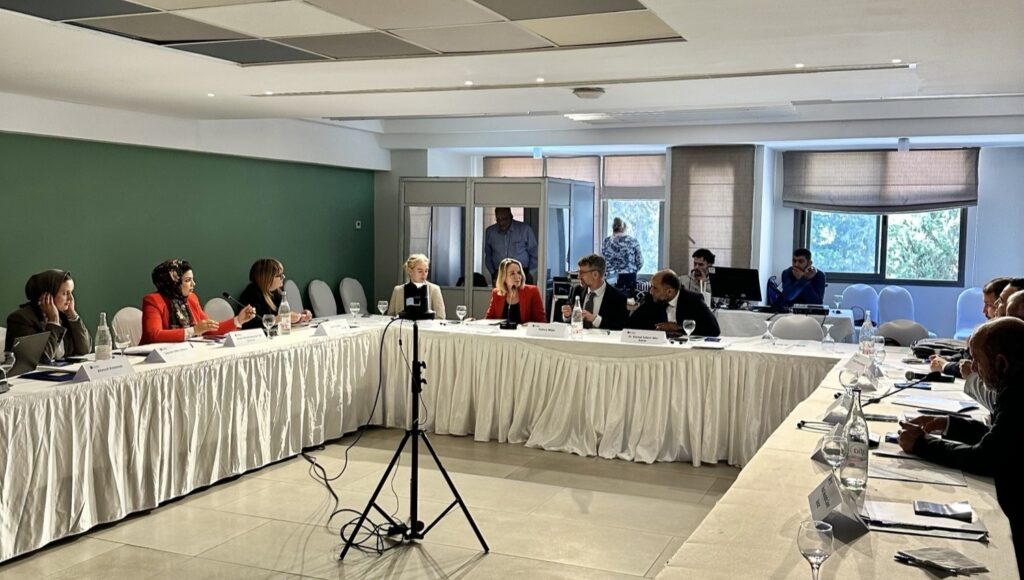
Participants at a seminar organized by the International Commission on Missing Persons on Monday and Tuesday and entitled “Criminal Procedure and the Use of Evidence in Court-led Processes on Mass Graves and Missing Persons in Libya,” focused on how to expand the use of forensic evidence in court-led processes, and on clarifying inter-institutional responsibilities and legal obligations to family members of the missing.
While considerable progress has been made in building the technical capacity of the Libyan authorities, there are crucial gaps in the institutional and legal framework that need to be addressed in order to locate and identify the missing.
Recent political instability and violence has made it difficult to address much-needed legal reforms in a conclusive way, in particular in the areas of data processing, data sharing and data protection, and in terms of ending impunity through criminal investigations. However, by preparing the ground now it will be possible, when conditions improve, to sustain a long-term effort to account for as many as 10,000 persons who went missing during the conflict of 2011 and during the previous 42 years of Muammar Gaddafi’s rule.
The participants at this week’s seminar were drawn from a cross section of judges, prosecutors, and forensic experts from domestic and international courts.
Presentations were given by representatives of ICMP, the International Criminal Court, the International Criminal Tribunal for the former Yugoslavia, the State Court of Bosnia and Herzegovina, the Hague Institute for Global Justice and the Netherlands Forensic Institute.
Participants explored the need to change court procedure in Libya so as to facilitate the presentation of forensic evidence; establish a documentation and data management system; enable the Libyan authorities to pursue suspects more effectively in cooperation with international law enforcement agencies and within the rule of law; develop sustainable inter-agency planning capability; and improve regional and international cooperation in the field of justice.
Since the end of 2011, ICMP has been actively engaged in helping the Libyan government to account for missing persons. Despite a deteriorating security situation, ICMP will continue its support for Libya.3 فبراير: في اجتماع عُقد في لاهاي هذا الأسبوع، أطلق كبار المسؤولين والخبراء القانونيين من ليبيا مبادرة لتعزيز قدرة نظام العدالة الليبي لمعالجة قضية الأشخاص المفقودين.
إن المشاركين، في ندوة نظمتها اللجنة الدولية لشؤون المفقودين يومي الاثنين والثلاثاء وتحت عنوان «الإجراءات الجنائية واستخدام الأدلة في العمليات التي تقودها المحكمة بشأن المقابر الجماعية والمفقودين في ليبيا»، ركزوا في كيفية توسيع نطاق استخدام أدلة الطب الشرعي في العمليات التي تقودها المحكمة، وفي توضيح المسؤوليات بين المؤسسات والالتزامات القانونية لأفراد أهالي المفقودين.
في حين تم إحراز تقدم كبير في بناء القدرات التقنية للسلطات الليبية، هناك ثغرات حاسمة في الإطار المؤسسي والقانوني والتي تحتاج إلى معالجة من أجل تحديد مكان والتعرف على هويات المفقودين.
جعل عدم الاستقرار السياسي والعنف في الآونة الأخيرة من الصعب معالجة الإصلاحات القانونية التي تشتد الحاجة إليها بطريقة حاسمة، ولا سيما في مجالات معالجة البيانات وتبادل البيانات وحماية البيانات، وكذلك إنهاء الإفلات من العقاب من خلال التحقيقات الجنائية. ومع ذلك، من خلال إعداد الأرضية الآن سيكون من الممكن، عندما تتحسن الظروف، بذل جهد طويل الأمد للبحث عن قرابة 10,000 شخص ممن فقدوا خلال النزاع من عام 2011 وخلال ال 42 عاما ماضيا من حكم معمر القذافي.
كان المشاركون في ندوة هذا الاسبوع من قطاع عريض من القضاة وأعضاء النيابة العامة، وخبراء الطب الشرعي من المحاكم المحلية والدولية.
قُدِّمت عروض من قبل ممثلي اللجنة الدولية لشؤون المفقودين، والمحكمة الجنائية الدولية، والمحكمة الجنائية الدولية ليوغوسلافيا السابقة ومحكمة البوسنة والهرسك.
بحث المشاركون الحاجة إلى:
- تغيير إجراءات المحكمة في ليبيا وذلك لتسهيل تقديم أدلة الطب الشرعي؛
- إنشاء نظام التوثيق وإدارة البيانات؛
- تمكين السلطات الليبية من متابعة المشتبه بهم أكثر فعالية في التعاون مع هيئات إنفاذ القانون الدولي وضمن سيادة القانون؛
- تطوير القدرة على التخطيط المستدام المشترك بين الهيئات؛ و
- تحسين التعاون الإقليمي والدولي في مجال العدالة.
منذ نهاية عام 2011، تشارك اللجنة الدولية لشؤون المفقودين بنشاط في مساعدة الحكومة الليبية في البحث عن المفقودين. وعلى الرغم من الوضع الأمني المتدهور، ستواصل اللجنة الدولية لشؤون المفقودين دعمها لليبيا.