[:en]Sarajevo May 2019: The process of accounting for missing persons from the conflict in Bosnia and Herzegovina has resulted in the identification of more than 23,000 of the approximately 30,000 missing persons. Of this number, around 8,000 were identified by traditional methods of presumptive identification, and more than 15,000 were identified based on DNA analysis. However, approximately 3,000 cases of human remains that have been exhumed from gravesites over the years remain unidentified, or NN (nomen nescio/no name).
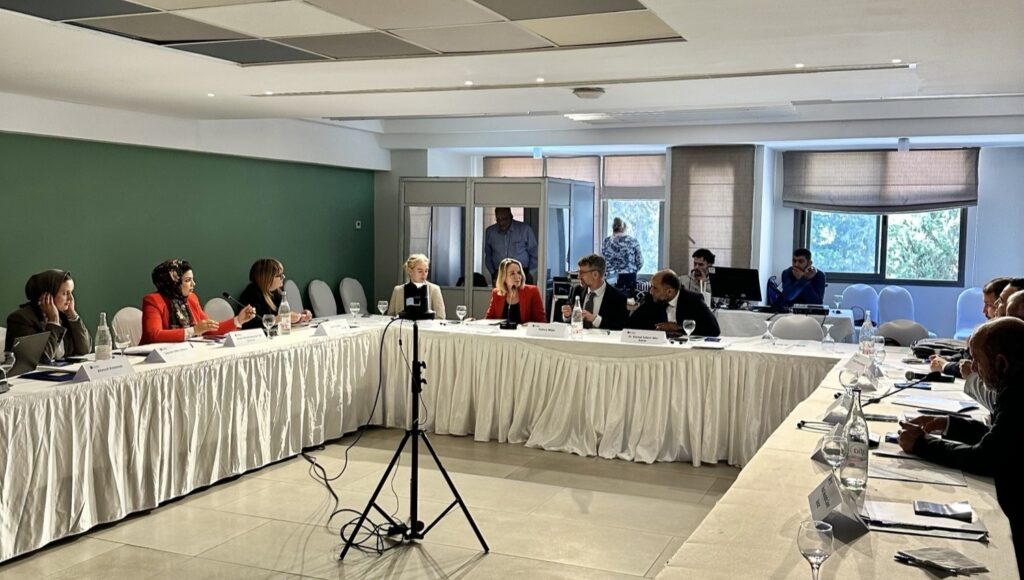
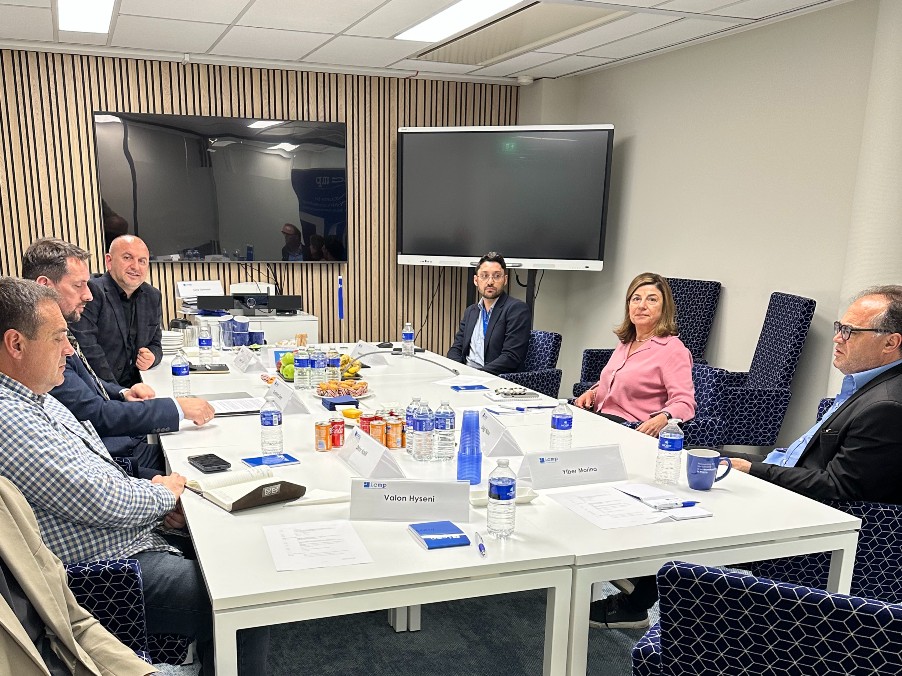
In 2013, the BIH Chief Prosecutor ordered a review of the NN cases in permanent and temporary mortuary facilities in BIH, in order to establish the scope of the problem and the potential reasons for the inability to match the DNA profiles from NN cases to any of the genetic references that ICMP has collected from relatives of missing persons. To undertake this task, the Office of the Chief Prosecutor assembled NN Working Groups that gathered all relevant institutions and individuals dealing with the missing persons issue in Bosnia and Herzegovina.
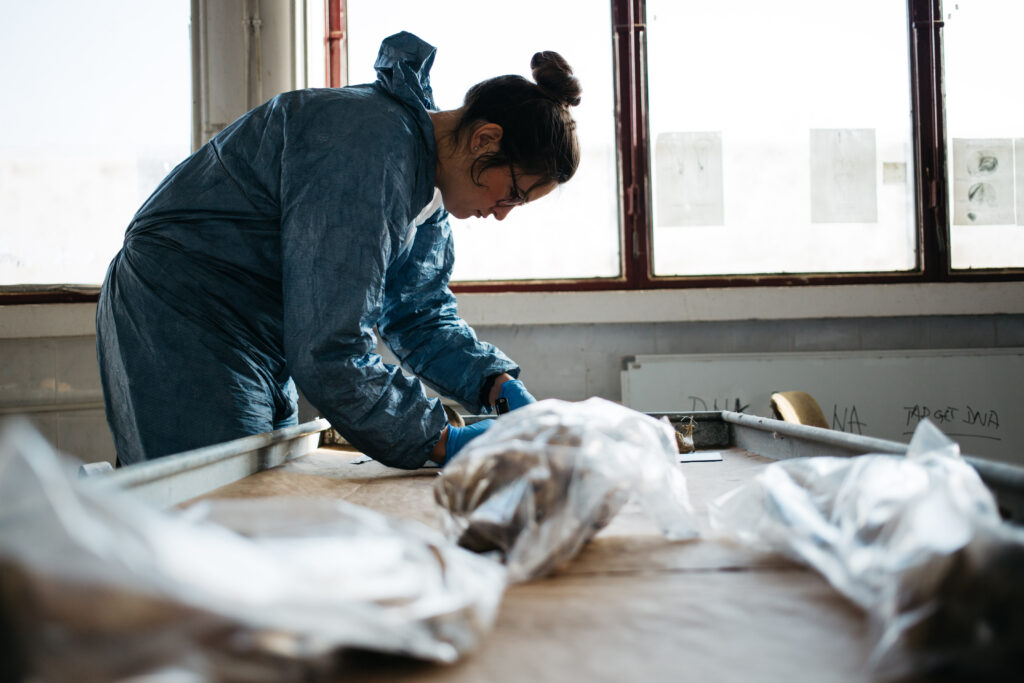
Through the NN Working Group process, ICMP assisted Prosecutors’ Offices in BIH to conduct an inventory of NN cases in Mostar, Nevesinje, Gorazde, Travnik, Visoko, Tuzla, Lukavac, Banja Luka, Odzak and Modrica mortuary facilities.
In November 2017, following a five-year effort, funded by the European Union, ICMP and the BiH Missing Persons Institute (MPI) announced the preliminary results of the NN Working group process in mortuaries throughout Bosnia and Herzegovina.
The project resulted in 121 new identifications and 968 re-associations with previously identified cases, and ICMP drafted recommendations, which it provided to Prosecutors, regarding steps that need to be taken in order to resolve a large number of the remaining cases. This process was important to promoting accountability on the part of the government and getting answers to families and enabling them to secure their rights.
The results of the NN Working Groups also confirmed ICMP’s assumption regarding why the DNA profiles of NN cases do not match the reference profiles provided by the families of the missing. One of these reasons was the traditional method of identification. The traditional method of identification (identification by visual recognition of mortal remains and/or personal belongings) is not exact and contains an increased risk of error. The accuracy of the identity of some of the approximately 8,000 persons identified in Bosnia and Herzegovina prior to the introduction of DNA testing is open to question. If misidentifications are a problem, then this factor could be an impediment in resolving the remaining 8,000 active missing persons cases.

With ICMP’s recommendations, Prosecutors’ Offices around the country now have a roadmap for future work on NN cases. Identified remains can be laid to rest or re-associated with previously identified remains. Historical cases – those that pre-date the 1990s conflict – as well as those that do not consist of human remains, will be closed. The MPI is using the results of the NNWG process to assess targeted cases where misidentifications might have occurred for lack of the use of DNA analysis. In this regard, ICMP is now assisting the MPI by collecting biological reference samples from families that have doubts about the certainty of the identification they made without the help of DNA, in order to exclude the possibility that their relative might be among the NN cases in one of the mortuary facilities.
Ahmed Mesić, Prosecutor at the Central Bosnia Canton Prosecutor’s Office, began implementing the recommendations as soon as the NN Review had been completed.
“Thus far, we have closed 44 cases, including identifications, re-associations and historical cases. The Central Bosnia Canton Prosecutor’s Office will be able to resolve nearly all cases by implementing ICMP’s recommendations. The key to closing cases is cooperation with the families and their understanding of the process,” Prosecutor Mesić said.
After the end of the conflict, Nura Begović, from the Women of Srebrenica Association, was searching for 16 missing members of her family. Six have been identified by means of DNA analysis. Following the Mortuary Review, in November 2018, Nura’s only brother, who went missing in 1995 on the way from Srebrenica to Tuzla, was identified. His remains had been recovered in 1995 from Miljevici.
“When I found myself in a room with a ‘handful’ of his bones, his clothes, his keys and his watch, I felt a sense of relief, because now there are finally physical proofs that my brother existed, was alive … and that he was killed,” Mrs Begović said, adding that her brother’s remains will be laid to final rest on 11 July this year in Potočari. She said that one of her regrets is that her mother didn’t live long enough to know this.
Matthew Holliday, the Head of ICMP’s Western Balkans Program, notes that the authorities in Bosnia and Herzegovina have been able to account for almost 23,000 people who were missing at the end of the conflict while approximately 8,000 families do not yet know the fate of a loved one.
“Implementation of the recommendations can bring closure to a substantial number of families who still, 20 years after the conflict, do not know the fate of a loved one,” Mr Holliday said, adding that accounting for those who are still missing is a crucial element in maintaining peace and stability.
Nikola Perisić, a member of the MPI Board of Directors, believes that implementation will have multiple benefits for the sustainability of the process of accounting for the missing.
“Implementation of the recommendations will result in new identifications and therefore some of the families will find closure,” he said. “In addition, I believe that some of the misidentifications that took place prior to the introduction of DNA analysis will also be addressed. Of particular importance is reducing the cost of housing remains in mortuaries, which will enable MPI to redirect these resources to investigative work in the field. In the end, this should lead to locating new clandestine graves and new identifications in the future.”

Vesna Pranjić, Prosecutor at the Herzegovina Neretva Canton Prosecutor’s Office, also recognizes the benefits of implementing recommendations and said results have already been seen.
“During the first phase of the Review, we established that there are 204 cases with 395 distinct bodies or incomplete skeletal remains,” she said. “Following extensive preparations, the Prosecutor’s Office of Herzegovina Neretva Canton managed to close 57 of those cases.”
Prosecutor Pranjić said closing cases has significantly reduced storage costs. She said her team “will continue to work in cooperation with the MPI and ICMP to resolve as many cases as possible since each victim deserves a dignified burial.”
Prosecutor Mesić noted that long-term storage costs have been cut by nearly half, while many cases have been permanently buried or stored, making more space available in mortuary facilities. “We have applied and we follow all the recommendations regarding appropriate storage; the difference between the conditions in the mortuary facility today and before the review is enormous,” he said.
Looking to the future, Prosecutor Pranjić recognizes the important role of Prosecutor’s Offices in the process: “In cases which, according to recommendations of the Working Group, cannot be resolved, this Prosecutor’s Office can try to find information that could help resolve cases, from potential witnesses in cases of war crimes,” she said.
Mr. Holliday highlighted the need for more information about possible locations of mass and clandestine graves, noting that “ICMP maintains an easy-to-use application called the Site Locator, which can be accessed at ICMP’s Online Inquiry Center, and information can be provided completely anonymously.”
ICMP’s Site Locator can be accessed at: http://bit.ly/2scO1Gb
“ICMP will continue to provide information that it receives regarding possible gravesite locations via the Site Locator to the BIH authorities. It will also continue to help the Prosecutors’ Offices to resolve NN cases,” Mr. Holliday said.

***
ICMP is a treaty-based intergovernmental organization with Headquarters in The Hague, the Netherlands. Its mandate is to secure the cooperation of governments and others in locating and identifying missing persons from conflict, human rights abuses, disasters, organized crime, irregular migration and other causes and to assist them in doing so. It is the only international organization tasked exclusively to work on the issue of missing persons.
[:bs]Sarajevo, Maj 2019.: Proces rješavanja pitanja nestalih osoba u sukobu u Bosni i Hercegovini rezultirao je identifikacijom više od 23.000 od oko 30.000 nestalih osoba. Od tog broja je oko 8.000 identifikovano klasičnim metodama identifikacije pretpostavljenog identiteta, a više od 15.000 je identifikovano na temelju analize DNK. Međutim, oko 3.000 slučajeva posmrtnih ostataka koji su ekshumirani iz grobnica tokom godina su ostali neidentificirani ili NN (bez imena, nomen nescio).
Glavni tužitelj Tužiteljstva BiH je 2013. godine izdao naredbu o provođenju pregleda NN slučajeva u stalnim i privremenim mrtvačnicama u BiH, u namjeri da utvrdi opseg problema i potencijalne razloge za nemogućnost pronalaženja podudarnosti profila DNK neidentificiranih slučajeva sa profilima DNK genetičkih referentnih uzoraka koje su ICMP-u ustupili srodnici nestalih osoba. U svrhu rješavanja tog problema, Tužiteljstvo BiH je formiralo Radne grupe za rješavanje slučajeva neidentificiranih posmrtnih ostataka koje su okupile sve relevantne institucije i osobe uključene u rješavanje pitanja nestalih osoba u BiH.
Radeći u okviru Radnih grupa za rješavanje slučajeva neidentificiranih posmrtnih ostataka, ICMP je pomogao bh. tužiteljstvima da provedu pregled NN slučajeva u mrtvačnicama u Mostaru, Nevesinju, Goraždu, Travniku, Visokom, Tuzli, Lukavcu, Banjoj Luci, Odžaku i Modriči.
U novembru 2017. godine, nakon petogodišnjeg rada koji je finansirala Evropska unija, ICMP i Instut za nestale osobe BiH (INO) su objavili preliminarne rezultate pregleda NN slučajeva u mrtvačnicama na području cijele BiH.
Projekt je omogućio 121 novu identifikaciju i 968 reasocijacija s prethodno identificiranim slučajevima, a ICMP je tužiteljstvima dao preporuke koraka za rješavanje velikog broja preostalih slučajeva. Ovaj proces je bio važan za isticanje odgovornosti nadležnih institucija, kao i za pružanje odgovora porodicama, na taj način im omogućivši ostvarivanje svojih prava.
Rezultati Radnih grupa su potvrdili i ICMP-ovu pretpostavku zašto se profili DNK izolovane iz NN slučajeva ne podudaraju sa profilima DNK iz referentnih uzoraka prikupljenih od porodica. Jedan od razloga su klasične metode identifikacije. Klasična metoda identifikacije (identifikacija vizuelnim prepoznavanjem posmrtnih ostataka ili ličnih stvari) nije precizna i povećava rizik greške. Tačnost identiteta 8,000 osoba identificiranih u BiH prije uvođenja testiranja DNK se može dovesti u pitanje. Ukoliko se radi o pogrešnim identifikacijama, to bi moglo predstavljati prepreku u rješavanju preostalih aktivnih slučajeva nestalih osoba.
Sa ICMP-ovim preporukama, tužiteljstva u cijeloj državi sada imaju jasan putokaz za budući rad na NN slučajevima. Identificirani posmrtni ostaci mogu biti ukopani ili reasocirani sa prethodno identifikovanim. Historijski slučajevi – koji potiču iz vremena prije sukoba iz 1990-ih kao i oni koji ne sadrže ljudske posmrtne ostatke će biti zaključeni. INO primjenjuje rezultate Radnih grupa kako bi procijenio ciljane slučajeve gdje postoji mogućnost da je došlo do pogrešne identifikacije zbog toga što se nije mogla primijeniti analiza DNK u procesu. U tom pogledu ICMP sada pomaže INO-u prikupljajući referentne biološke uzorke porodica koje sumnjaju u ispravnost identifikacije koju su izvršili bez primjene DNK, kako bi eliminirali mogućnost da su njihovi najbliži među NN slučajevima u jednoj od mrtvačnica.
Ahmed Mešić, tužitelj Kantonalnog tužiteljstva Srednjebosanskog kantona, počeo je primjenjivati preporuke odmah po završetku pregleda.
“Do sada smo zaključili 44 slučaja, uključujući identifikacije, reasocijacije i historijske slučajeve. Kantonalno tužiteljstvo Srednjebosanskog kantona će moći riješiti gotovo sve slučajeve primjenjujući ICMP-ove preporuke. Ključ za rješavanje jeste saradnja sa porodicama i njihovo razumijevanje procesa,” izjavio je tužitelj Mešić.
Po okončanju sukoba, Nura Begović, iz Udruženja majki Srebrenice, tragala je za 16 članova porodice. Šest ih je identificirano primjenom testiranja DNK. Nakon pregleda mrtvačnica u novembru 2018. godine, Nurin jedini brat, nestao 1995. godine na putu iz Srebrenice prema Tuzli, je identificiran. Njegovi posmrtni ostatci su ekshumirani 1995. godine u Miljevićima.
“Kada sam se našla u sobi sa „šačicom“ njegovih kostiju, njegovom odjećom, ključevima, satom, osjetila sam nekakvo olakšanje, jer sada konačno postoje fizički dokazi da je moj brat postojao, bio živ… i da je ubijen”, rekla je gospođa Begović, dodajući da će posmrtni ostaci njenog brata biti ukopani 11. jula ove godine u Potočarima. Dodala je da žali što njena majka nije poživjela dovoljno dugo da to dočeka.
Matthew Holliday, šef ICMP-ovog programa za zapadni Balkan, ističe da su vlasti u BiH pronašle i identificirale gotovo 23,000 osoba koje su registrirane kao nestale po okončanju sukoba, dok oko 8,000 porodica još uvijek ne zna sudbinu svojih bližnjih.
“Primjena preporuka može doijeti smiraj značajnom broju porodica koje i 20 godina nakon sukoba ne znaju sudbinu svojih bližnjih,” izjavio je gospodin Holliday, dodajući da je pronalaženje i identifikacija osoba koje se još uvijek smatraju nestalima ključni element u održavanju mira i stabilnosti.
Nikola Perišić, član Kolegija direktora INO-a, smatra da će primjena preporuka biti višestruko korisna za održivost procesa rješavanja pitanja nestalih osoba.
“Primjena preporuka će rezultirati novim identifikacijama i neke će porodice pronaći svoj mir,” rekao je on. “Pri tome će, vjerujem, neke od pogrešnih identifikacija do kojih je došlo prije uvođenja analize DNK u proces biti riješene. Od posebnog je značaja smanjivanje troškova čuvanja posmrtnih ostataka u mrtvačnicama, što će INO-u omogućiti preusmjeravanje sredstava u istraživački rad na terenu. Konačno, ovo bi trebalo dovesti do pronalaženja novih neotkrivenih grobnica i novih identifikacija u budućnosti.”
I Vesna Pranjić, tužiteljica Kantonalnog tužiteljstva Hercegovačko-neretvanskog kantona, uočila je korist primjene preporuka i kaže da su rezultati već vidljivi.
„Tokom prve faze je utvrđeno da se u mrtvačnici Sutina nalaze 204 slučaja uz 395 različitih tijela ili nepotpunih skeletnih ostataka,” rekla je Tužiteljica. “Nakon temeljitih priprema, Kantonalno tužiteljstvo Hercegovačko-neretvanskog kantona uspjelo je zaključiti 57 takvih slučajeva.”
Tužiteljica Pranjić navodi da su zaključeni slučajevi smanjili troškove čuvanja posmrtnih ostataka u mrtvačnicama. Rekla je da će njen tim “nastaviti sarađivati sa INO-om i ICMP-om kako bi se riješio što veći broj slučajeva, jer svaka žrtva zaslužuje dostojanstven ukop.”
Tužitelj Mešić je naglasio da su troškovi dugoročnog pohranjivanja skoro prepolovljeni, dok su mnogi slučajevi trajno ukopani ili pohranjeni, čime se dobilo više prostora u mrtvačnicama. „U cjelosti smo primijenili i pratimo preporuke koje se odnose na pravilno smještanje i vođenje baze slučajeva; ogromna je razlika između današnjeg stanja u mrtvačnici i prije pregleda stanja”, izjavio je.
Tužiteljica Pranjić je prepoznala značaj uloge tužiteljstava u ovom procesu i u budućnosti: “U slučajevima koji su u preporukama Radne grupe označeni kao oni koje nije moguće riješiti, ovo Tužiteljstvo može pokušati doći do podataka koji bi pomogli u rješavanju slučajeva od potencijalnih svjedoka u predmetima ratnih zločina,” kazala je Pranjić.
Gospodin Holliday je istakao potrebu za više informacija o mogućim lokacijama masovnih i skrivenih grobnica, ističući da “je ICMP razvio jednostavnu aplikaciju nazvanu ‘Prijavite lokaciju’ kojoj se može pristupiti na ICMP-ovom online Centru za upite, putem kojeg se informacija može dati potpuno anonimno.”
Aplikacija „Prijavite lokaciju“ dostupna je putem linka: http://bit.ly/2HPvc0R
“ICMP će bh. vlastima nastaviti pružati informacije o mogućim lokacijama grobnica koje dobije putem aplikacije ‘Prijavite lokaciju’. A nastavit će pomagati i tužiteljstva, kako bi se riješili NN slučajevi,” izjavio je gospodin Holliday.
***
ICMP je sporazumom utemeljena međunarodna organizacija sa sjedištem u Hagu. Njegov mandat je osigurati saradnju vlada i drugih organa vlasti u pronalaženju i identifikaciji osoba nestalih usljed sukoba, zloupotreba ljudskih prava, nesreća, organiziranog kriminala, ilegalnih migracija i drugih razloga te pružiti im pomoć u tim poslovima. Jedina je međunarodna organizacija čiji je zadatak isključivo rad na pitanju nestalih osoba.