[:en]The Hague, 21 December 2021: – The Policy Coordination Group (PCG), a Syrian-led initiative on the missing and disappeared facilitated by the International Commission on Missing Persons (ICMP), adopted a set of Proposed Constitutional Principles on Syria’s Missing and Disappeared today.
These principles address the legacy of systematic human rights violations in Syria, including the widespread practice of enforced disappearance, and the need to establish rights-based guarantees to protect all persons from going missing or from being disappeared.
The document adopted today by the PCG is divided into two sections and a descriptive annex. The first section includes provisions directly related to the issue of the missing, including the right to life and dignity, safeguards against the deprivation of liberty, and transitional justice measures. The second lists provisions that are indirectly linked to the missing persons issue such as supporting a political transition based on the rule of law and the separation of powers.
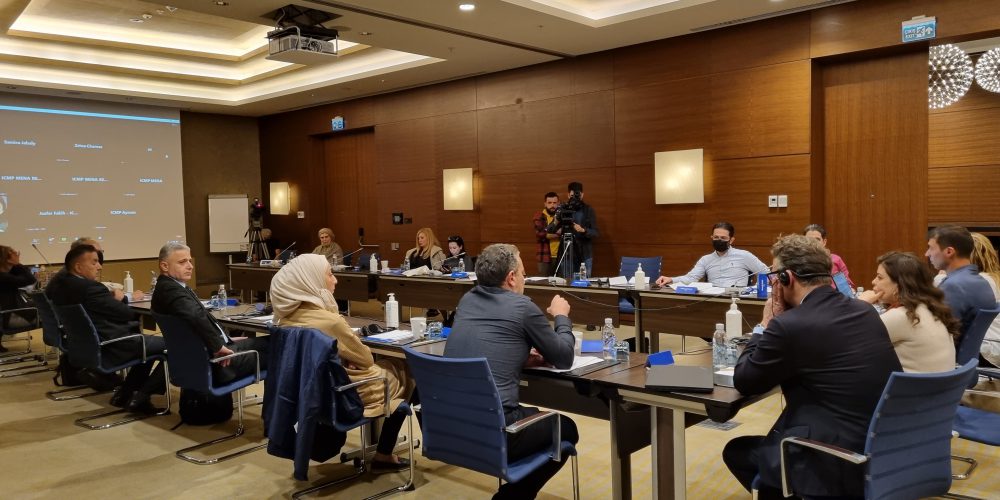
The Proposed Constitutional Principles are based on recommendations discussed at the fourth session of the PCG, held in Istanbul/Turkey and via Zoom, in early October 2021.
“These principles are an essential framework for addressing the issue of missing persons as part of a lasting peace settlement,” said the Head of ICMP’s Syria Program Lena Alhusseini. “Securing the truth, justice and reparations for families of the missing is an indispensable element in post-conflict recovery.”
“Several provisions should be included in the next Syrian constitution to ensure that all persons are effectively protected against enforced disappearances, on one hand, and to lay the pillars for the State of law which can reveal the fate of Syria’s missing persons and provide necessary reparations to the victims, on the other hand”, said Nael Georges, ICMP’s PCG Facilitator and Researcher.
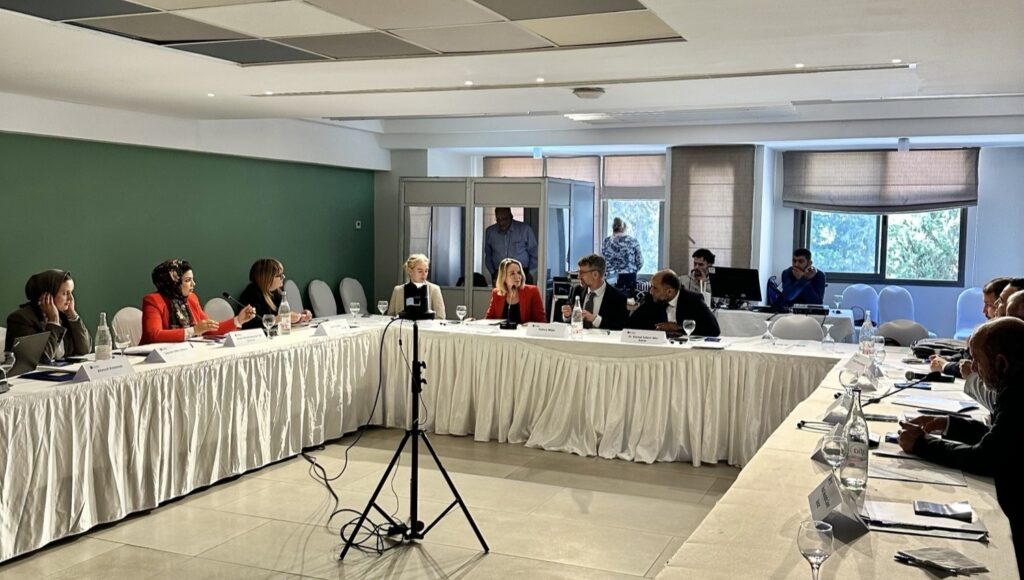
Today’s virtual meeting was the sixth session of the PCG since it was established following a conference organized by ICMP in The Hague in February 2020. The PCG comprises 27 members, including Syrian family associations, civil society organizations, legal and human rights defenders, and international advisors. It aims to develop broad recommendations and a policy framework for a future Syrian missing persons process, including purpose-specific legislation and institutions. The PCG has adopted several documents related to Syria’s missing, including an Ethical Charter on Data Collection and Documentation and a UPR submission to the UN Human Rights Council.
Following the adoption of the Proposed Constitutional Principles, participants at today’s meeting discussed a plan to disseminate the document through effective advocacy. This discussion was facilitated by ICMP Senior Advisor to Syria Reem Salahi. The participants were also briefed by PCG Member and Lawyer, Aref Alshaal and PCG Moderator/ICMP Researcher Nael Georges, on proposed legislative and institutional approaches to a future missing persons process.
More than 100,000 people are believed to be missing as a result of the conflict in Syria. In addition, the country has a legacy of missing and disappeared persons cases linked to human rights abuses and other causes prior to the conflict, and thousands of Syrians who have fled the fighting have gone missing along migratory routes.
ICMP’s assistance to the PCG is funded by the European Union (EU) through the support it provides to ICMP’s Syria program. The PCG is part of ICMP’s strategy to help lay the foundations for a sustainable missing persons process for Syria. ICMP is also actively engaged in creating a central data repository of missing persons from Syria. To date, ICMP has collected data from more than 60,000 Syrian families of the missing, including genetic reference samples for DNA testing and matching.
About ICMP
ICMP is a treaty-based intergovernmental organization with Headquarters in The Hague, the Netherlands. Its mandate is to secure the cooperation of governments and others in locating missing persons from conflict, human rights abuses, disasters, organized crime, irregular migration and other causes and to assist them in doing so. It is the only international organization tasked exclusively to work on the issue of missing persons.
[:ar]
لاهاي، 21 ديسمبر/كانون الأول 2021: تبنى اليوم فريق تنسيق السياسات، وهو مبادرة بقيادة سورية تعنى بمعالجة قضية مفقودي ومختفي سوريا وميسّرة من طرف اللجنة الدولية لشؤون المفقودين، مقترح ورقة مبادئ دستورية ذات صلة بقضية مفقودي سوريا، والتي سيتم عرضها على الأطراف المعنية.
تعالج هذه الورقة إرث الانتهاكات الممنهجة لحقوق الإنسان في سوريا، بما في ذلك ممارسة الاختفاء القسري على نطاق واسع، بالإضافة إلى الحاجة إلى وضع ضمانات لحماية جميع الأشخاص من الفقدان أو الاختفاء. والوثيقة التي اعتمدها الفريق اليوم تنقسم إلى قسمين ومرفق وصفي. يتضمن الأول أحكاماً تتصل مباشرة بقضية المفقودين، بما في ذلك الحق في الحياة والكرامة، وضمانات ضد الحرمان من الحرية، وتدابير العدالة الانتقالية. أما الثاني فيورد الأحكام المرتبطة بشكل غير مباشر بقضية المفقودين، مثل دعم الانتقال السياسي القائم على سيادة القانون والفصل بين السلطات.
تستند المبادئ الدستورية المقترحة إلى توصيات نوقشت في الجلسة الرابعة للفريق، التي عقدت في اسطنبول/تركيا وعبر زووم، في بداية تشرين الأول/أكتوبر 2021. «إنّ هذه المبادئ هي إطار أساسي لمعالجة قضية مفقودي سوريا كجزء من تسوية سلمية دائمة»، قالت لينا الحسيني، رئيسة برنامج سوريا في اللجنة الدولية لشؤون المفقودين. وأضافت بأنّ » تأمين الحقيقة والعدالة وجبر الضرر لأسر المفقودين عنصر لا غنى عنه في التعافي بعد انتهاء النزاع».
«ينبغي إدراج عدّة نصوص في الدستور السوري المقبل لضمان حماية جميع الأشخاص بشكل فعّال من الاختفاء القسري، من جهة، ووضع دعائم لدولة قانون يمكن أن تكشف عن مصير المفقودين في سوريا وتَوفر التعويضات اللازمة للضحايا، من ناحية أخرى»، قال نائل جرجس، الميسر والباحث لفريق تنسيق السياسات في اللجنة الدولية لشؤون المفقودين.
وكان الاجتماع عبر الإنترنت اليوم هو الجلسة السادسة للفريق منذ إنشائه في أعقاب مؤتمر نظمته اللجنة الدولية لشؤون المفقودين في لاهاي في شباط/فبراير 2020. يتألف فريق تنسيق السياسات البالغ عدده 27 من روابط عائلات المفقودين السوريين وخبراء قانونيين ومدافعين عن حقوق الإنسان وأعضاء في اللجنة الدستورية السورية وممثلين عن المجتمع المدني يقيمون داخل سوريا وخارجها. يقدّم الخبراء الدوليون الدعم كمستشارين في مجال اختصاصاتهم. يهدف الفريق إلى وضع توصيات واسعة وأطر سياسية لعملية مستقبلية بشأن مفقودي سوريا، بما في ذلك تطوير تشريعات ومؤسسات محددة الغرض وتدابير لتقديم تعويضات لأسر المفقودين، فضلاً عن قضايا أخرى ذات صلة بالاحتجاز التعسفي والمقابر الجماعية والطرق الفعّالة والآمنة لمعالجة البيانات المتعلقة بالأشخاص المفقودين. وقد اعتمد الفريق حتى الآن عدّة أوراق من بينها ميثاق مبادئ أخلاقية لجمع بيانات وتوثيق حالات مفقودي سوريا، و تقرير حول المراجعة الدورية الشاملة قدّمه إلى مجلس حقوق الإنسان التابع للأمم المتحدة.
وعقب اعتماد المبادئ الدستورية المقترحة، ناقشَ المشاركون في اجتماع اليوم خطة مناصرة لورقة المبادئ الدستورية. وقد يسّر هذه المناقشة ريم صلاحي، كبيرة مستشاري اللجنة الدولية لشؤون الإدارة الخاصة لسوريا. كما قدّم كل من الأستاذ عارف الشعال، محامي سوري، والسيد ا نائل جرجس مسودة ورقة حول التشريعات والمؤسسات المقترحة لعملية مستقبلية لمعالجة قضية الأشخاص المفقودين.
يُعتقد أنّ أكثر من 100 ألف شخص هم في عداد المفقودين نتيجة للأحداث الأخيرة في سوريا، كما فُقدَ العديد من السوريين الذين فروا على طول طرق الهجرة. بالإضافة إلى ذلك، فإن البلاد لديها إرث من قضايا المفقودين والمختفين المرتبطة بانتهاكات حقوق الإنسان وغيرها من الأسباب قبل النزاع.
يتم تمويل مساعدة اللجنة الدولية لشؤون المفقودين لفريق تنسيق السياسات من قبل الاتحاد الأوروبي من خلال الدعم الذي يقدمه لبرنامج اللجنة الدولية لشؤون المفقودين في سوريا، وتشكل جزءًا من استراتيجية اللجنة الدولية لشؤون المفقودين للمساعدة في وضع الأسس لعملية مستدامة للأشخاص المفقودين في سوريا. كما تشارك اللجنة الدولية لشؤون المفقودين بنشاط في إنشاء مستودع بيانات مركزي للأشخاص المفقودين. حتى الآن، جمعت اللجنة الدولية لشؤون المفقودين بيانات من أكثر من 60 ألف عائلة سورية للمفقودين، بما في ذلك عينات مرجعية جينية لاختبار الحمض النووي ومطابقته.
عن اللجنة الدولية لشؤون المفقودين
اللجنة الدولية لشؤون المفقودين هي منظمة حكومية دولية قائمة على المعاهدات ومقرها لاهاي بهولندا وتتمثل مهمتها في تأمين تعاون الحكومات وغيرها في تحديد أماكن الأشخاص المفقودين بسبب النزاعات وانتهاكات حقوق الإنسان والكوارث والجريمة المنظمة والهجرة غير النظامية وغيرها من الأسباب ومساعدتهم في القيام بذلك وهي مكلفة حصراً بالعمل على قضية الأشخاص المفقودين.
[:]