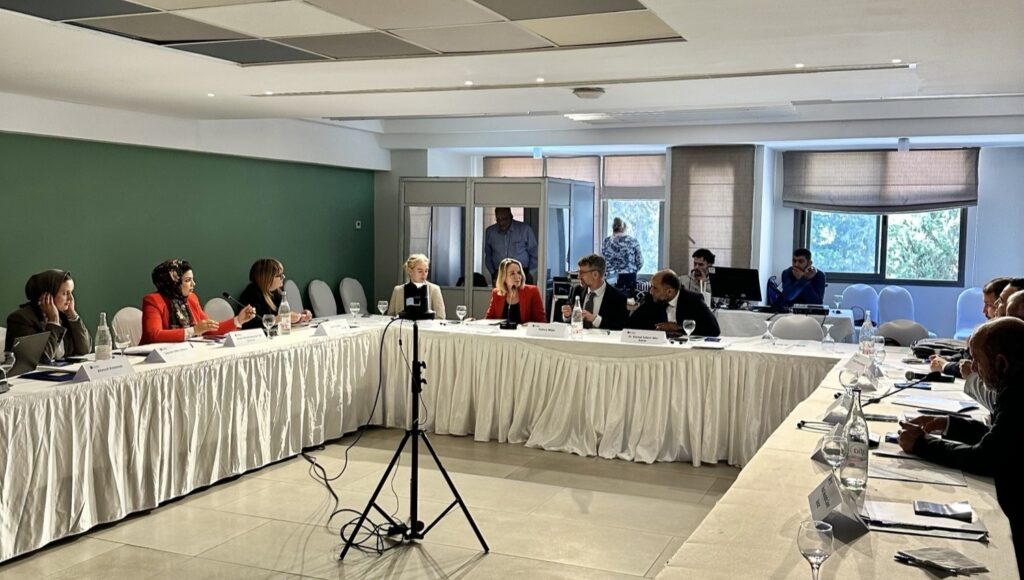
[:en]Baghdad, 16 May 2021 – To commemorate Mass Graves Day in Iraq, the International Commission on Missing Persons (ICMP) in collaboration with Bournemouth University presented a recently published protocol on mass grave investigation and protection to Iraqi authorities involved in efforts to account for missing persons.
In 2007, the Iraqi Council of Ministers designated 16 May as the National Day of Mass Graves to draw attention to the fate of individuals who were killed and disappeared during decades of conflict and human rights abuse and buried in mass graves. Iraqi authorities estimate that between 250.000 and 1 million persons have gone missing in the country.
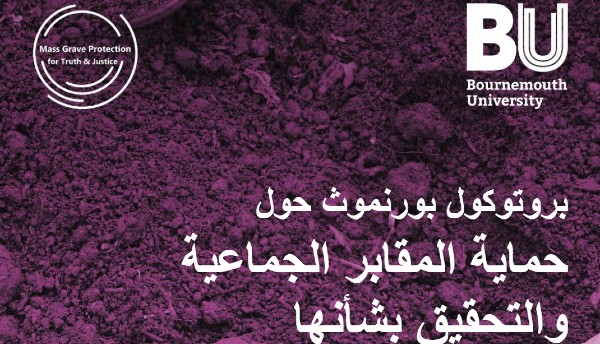
To commemorate Mass Graves Day, ICMP presented to Iraqi stakeholders Arabic- and Kurdish-language copies of The Bournemouth Protocol on Mass Grave Protection and Investigation, a joint product of ICMP and Bournemouth University that defines legal and practical standards of the protection and investigation of mass graves. Recipients include the Mass Graves Directorate, the Ministry of Health’s Medico-Legal Directorate and the National Coordination Committee in Federal Iraq as well as the Ministry of Martyrs and Anfal Affairs in the Kurdistan Region.
“Properly protecting and investigating mass graves are key steps in Iraq’s work to find the high number of missing persons and secure the rights of their families,” said Alexander Hug, head of ICMP’s Iraq Program. “The Bournemouth Protocol is an important tool that benefits the various Iraqi institutions involved in the missing persons process.”
Iraq is a party to the International Convention on the Protection of All Persons from Enforced Disappearance and other human rights instruments. Iraq’s Law on Mass Graves Affairs stipulates that mass graves should be investigated by an inter-governmental committee that includes a judge.
ICMP supports Iraq in its efforts to comply with its legal obligations and has signed cooperation agreements with several main government entities responsible implementing this law, including with the Martyrs Foundation/The Mass Graves Directorate, the Ministry of Health’s Medico-Legal Directorate and the Ministry of Justice. Its assistance to Iraq includes support in protecting and excavating mass graves – so far, it has supported work on more than 60 locations including in Badoush, Sinjar and Tikrit. ICMP also supported the 2020 excavation of and 2021 burial of the remains of 104 Yezidi victims.
ICMP also assists authorities’ efforts to create a sustainable process to account for all missing persons in the country, regardless of their ethnic, religious, or national background, the circumstances of their disappearance or their citizenship. As part of this, ICMP supports the formulation of policy initiatives to address the needs of the families of the missing and efforts to expand Iraq’s institutional and legal capacity related to missing persons.
ICMP’s support to the Iraqi government also includes training more than 500 Iraqi professionals aspects of the missing persons process, and training scientists in advanced DNA identification procedures and the collection of genetic reference samples. It also supports civil society organizations and families of the missing in efforts to secure their rights to justice, truth and reparations.
ICMP works with the authorities to advance an impartial approach to the issue of the missing and to foster collaboration among religious and national groups. It also assists in efforts to establish a central record of missing persons and to facilitate dialogue between the government and families of the missing and civil society organizations.
ICMP’s work in Iraq is financed by Germany, the Netherlands and the United States.
About ICMP
ICMP is a treaty-based international organization that seeks to ensure the cooperation of governments and others in locating missing persons from conflict, human rights abuses, disasters, organized crime, migration, and other causes, and to assist them in doing so. ICMP also supports the work of other organizations in their efforts, encourages public involvement in its activities and contributes to the development of appropriate expressions of commemoration and tribute to the[:bs]MG DAY Text[:ar]
بغداد 16 ايار 2021 – قامت اللجنة الدولية لشؤون المفقودين وبالتعاون مع جامعة بورنماوث تخليدا ليوم المقابر الجماعية في العراق بتقديم بروتوكول تم نشره مؤخرا حول التحقيق في وحماية المقابر الجماعية الى السلطات العراقية المعنية في ملف الاشخاص المفقودين
قام مجلس الوزراء العراقي في عام 2007 بتخصيص يوم 16 ايار ليصبح اليوم الوطني للمقابر الجماعية، وذلك لتسليط الاضواء على مصير الافراد الذين تم قتلهم واختفوا نتيجة عقود من الصراع وانتهاكات لحقوق الانسان و تم دفنهم في المقابر الجماعية. تقدر السلطات العراقية ان حوالي 250,000 الى مليون شخص هم في عداد المفقودين في البلد.
تكريما ليوم المقابر الجماعية، قدمت اللجنة الدولية لشؤون المفقودين للمعنيين في العراق نسخًا باللغتين العربية والكردية من بروتوكول بورنماوث المتعلق بحماية المقابر الجماعية والتحقيق فيها وهو منتج مشترك بين اللجنة الدولية لشؤون المفقودين وجامعة بورنماوث الذي يحدد المعايير القانونية والعملية لحماية والتحقيق في المقابر الجماعية، ويشمل مستلموا تلك النسخ كل من دائرة شؤون وحماية المقابر الجماعية ودائرة الطب العدلي التابعة لوزارة الصحة ولجنة التنسيق الوطنية في العراق الاتحادي (المركزي) بالإضافة إلى وزارة شؤون الشهداء والمؤنفلين في إقليم كردستان.
وصرح مدير برنامج العراق في اللجنة الدولية لشؤون المفقودين السيد الكسندر هوغ أن «التحقيق في المقابر الجماعية وحمايتها بشكل ملائم خطوة أساسية لعمل العراق لأيجاد اعداد كبيرة من الاشخاص المفقودين وضمان حقوق وعائلاتهم وأن بروتوكول بورنماوث يعتبر أداة مهمة وذات فائدة للعديد من المؤسسات العراقية المعنية في ملف الاشخاص المفقودين.»
العراق طرف في الاتفاقية الدولية لحماية جميع الأشخاص من الاختفاء القسري وغيرها من مواثيق حقوق الإنسان. ينص قانون شؤون المقابر الجماعية العراقي على وجوب التحقيق في المقابر الجماعية من قبل لجنة حكومية تضم قاضيا وبتعاون دولي.
تدعم اللجنة الدولية لشؤون المفقودين العراق في جهوده للامتثال لالتزاماته القانونية وقد وقعت اتفاقيات تعاون مع العديد من الكيانات الحكومية الرئيسية المسؤولة عن تنفيذ هذا القانون بما في ذلك مؤسسة الشهداء / دائرة شؤون وحماية المقابر الجماعية و وزارة الصحة / دائرة الطب العدلي. تشمل مساعدتها للعراق تقديم الدعم في حماية وتنقيب المقابر الجماعية حيث والى الان دعمت العمل في أكثر من 60 موقعًا بما في ذلك بادوش وسنجار وتكريت. كما دعمت اللجنة الدولية لشؤون المفقودين عمليات التنقيب في عام 2020 ودفن رفات 104 من ضحايا الإيزيديين في عام 2021.
تدعم اللجنة الدولية لشؤون المفقودين أيضًا جهود السلطات لإنشاء عملية مستدامة للمسائلة عن جميع الأشخاص المفقودين في البلاد بغض النظر عن خلفيتهم العرقية أو الدينية أو الوطنية أو ظروف اختفائهم أو جنسيتهم. وكجزء من ذلك تدعم اللجنة الدولية لشؤون المفقودين صياغة مبادرات لتلبية احتياجات عوائل المفقودين والجهود المبذولة لتوسيع القدرات المؤسسية والقانونية للعراق فيما يتعلق بالأشخاص المفقودين.
بالاظافة الى ذلك تدعم اللجنة الدولية لشؤون المفقودين الحكومة العراقية من خلال توفير تدريب لما يزيد عن 500 جانب مهني في العراق متعلق بعملية الاشخاص المفقودين بالاظافة الى تدريب العلماء على اساليب التعرف المستندة على الحمض النووي المتقدمة الى جانب عينات المراجع الجينية. وتدعم منظمات المجتمع المدني وعوائل الاشخاص المفقودين للحصول على حقوقهم والعدالة والحقيقه والتعويضات.
تعمل اللجنة الدولية لشؤون المفقودين مع السلطات لتعزيز نهج محايد لقضية المفقودين وتعزيز التعاون بين الجماعات الدينية والوطنية. كما أنها تساعد في الجهود المبذولة لإنشاء سجل مركزي للمفقودين وتسهيل الحوار بين الحكومة وعوائل المفقودين ومنظمات المجتمع المدني.
يتم تمويل عمل اللجنة الدولية لشؤون المفقودين في العراق من قبل المانيا وهولندا والولايات المتحدة.
تواصل معنا
حول اللجنة الدولية لشؤون المفقودين
اللجنة الدولية لشؤون المفقودين هي منظمة دولية قائمة على المعاهدات تسعى إلى ضمان تعاون الحكومات وغيرها في تحديد اماكن الأشخاص المفقودين نتيجة النزاعات وانتهاكات حقوق الإنسان والكوارث والجريمة المنظمة والهجرة وغيرها من الأسباب ومساعدتهم في القيام بذلك. كما تدعم اللجنة الدولية لشؤون المفقودين عمل المنظمات الأخرى في جهودها وتشجع المشاركة العامة في أنشطتها وتساهم في تطوير التعبيرات المناسبة لإحياء ذكرى المفقودين وتكريمهم.
[:es]MG DAY Text[:]