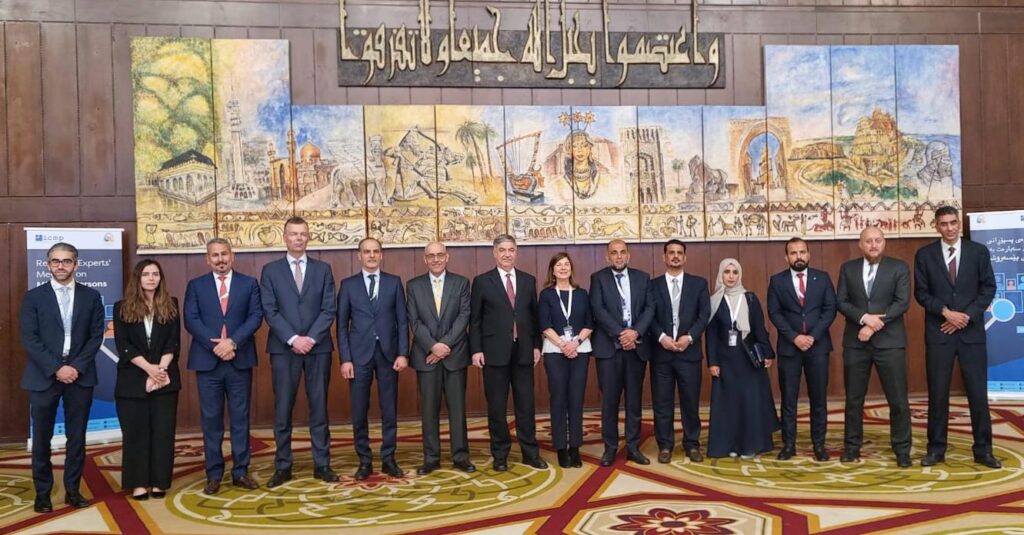
Baghdad, 27 May 2025: – Experts and officials from across the Middle East have highlighted the need to strengthen regional cooperation in order to account for huge numbers of missing persons. At a meeting hosted by the Ministry of Foreign Affairs of Iraq and facilitated by the International Commission on Missing Persons (ICMP), speakers emphasized that the missing persons issue goes beyond national borders and can only be addressed in an effective way by coordinating efforts and pooling resources.
In his opening remarks, H.E. Fouad Hussein, Minister of Foreign Affairs of the Republic of Iraq, noted that people go missing for multiple reasons, including conflict, natural disasters and migration, “but the outcome is the same – missing persons and grieving families”. He said that Iraq is aware of the need to address the missing persons issue as a priority and in all its dimensions “through national and international efforts”. He highlighted the need for information exchange and he noted that “it is not possible for any country to address this challenge alone.”
ICMP Director-General Kathryne Bomberger agreed that “region-wide cooperation is essential”. She highlighted the fact that states are responsible for locating missing persons and securing the rights of families of the missing to justice, truth and reparations. She also stressed that “families and the public must be actively engaged and that the state must establish facts – and those facts must be provided to families and the public in a continuous way. Families of the missing must be in the driving seat.”
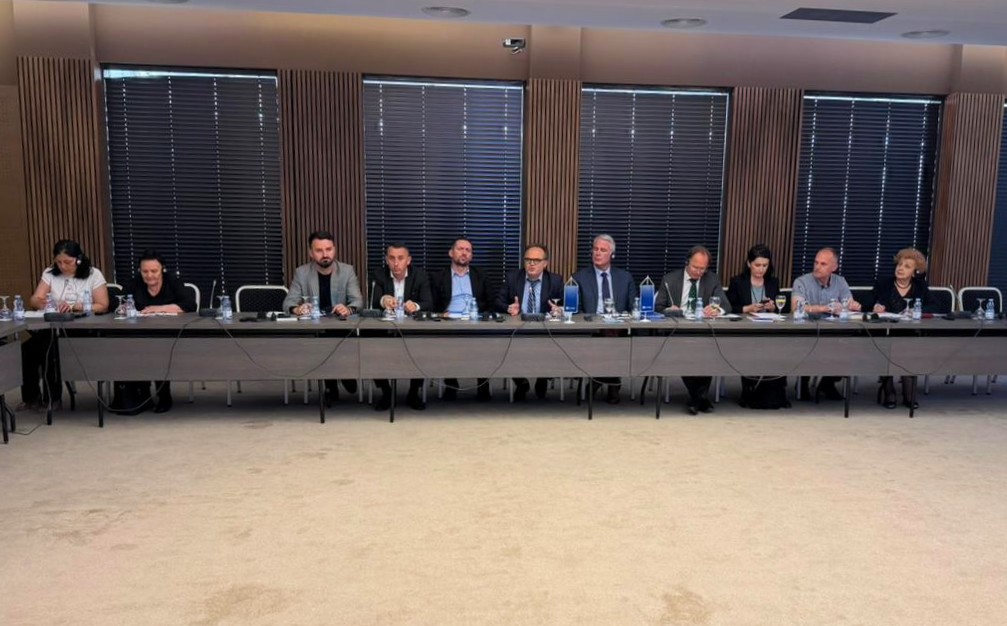
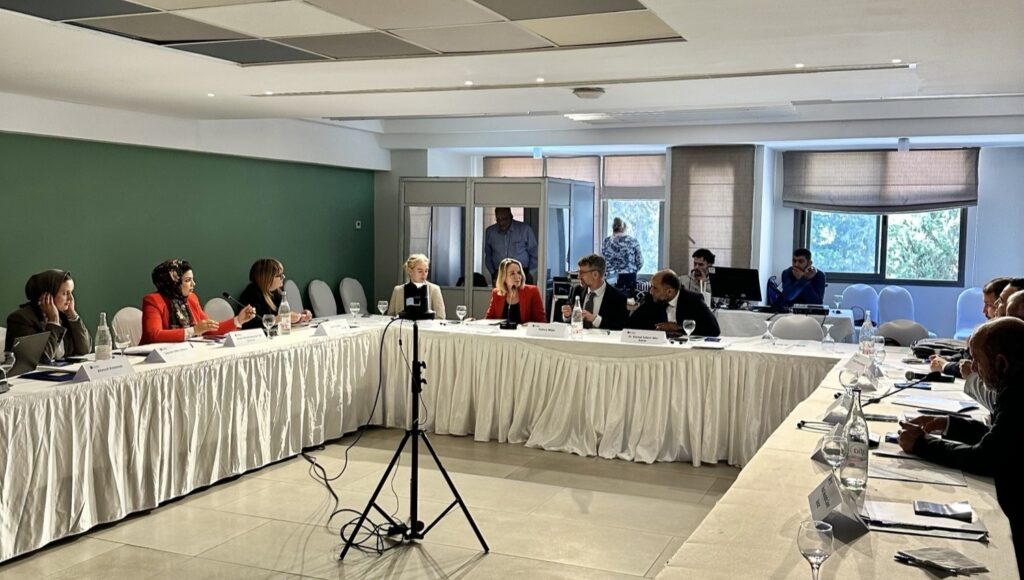
The Regional Expert Meeting on Missing Persons brought together more than 100 participants, including government representatives from across the Middle East, representatives of Iraqi institutions, international organizations, and ICMP experts.
Iraq ratified and acceded to the International Convention on the Protection of all Persons from Enforced Disappearance in 2010 and Iraqi institutions have been responsible for locating and identifying missing persons in a systematic way over the last decade. .
Today’s meeting provided a platform for senior officials and technical experts to exchange experience, identify common challenges, and examine concrete steps to improve efforts to account for missing persons across the region.
Keynote speeches and presentations were delivered by representatives of Iraq, Kuwait, Libya, Palestine, and Yemen, who shared national strategies, legal frameworks, and good practice in accounting for missing persons.
Recommendations and Next Steps
The meeting concluded with recommendations on steps that will carry effective missing persons processes forward, These are:
- Advocate for sustained high-level commitment by all governments to prioritize missing-persons efforts;
- Establish centralized Missing Persons Mechanisms to coordinate all missing persons cases;
- Develop and continuously update shared database systems of all missing persons;
- Adopt clear, targeted laws that define mandates and procedures related to the handling of missing persons cases;
- Ensure that all missing persons investigations employ the latest forensic, DNA and data-management tools, satellite imagery and AI tools;
- Engage families and civil society groups and ensure that they are provided with information concerning efforts to locate their loved ones and build public trust;
- Sustain processes through transparency – by providing credible and honest information; and
- Facilitate the timely sharing of information, resources and best practice among governments, international organizations and CSOs.
Today’s event was funded through the generous support of the governments of the Netherlands and Germany.
About ICMP
ICMP is a treaty-based intergovernmental organization with Headquarters in The Hague, the Netherlands. Its mandate is to secure the cooperation of governments and others in locating missing persons from conflict, human rights abuses, disasters, organized crime, migration and other causes and to assist them in doing so.