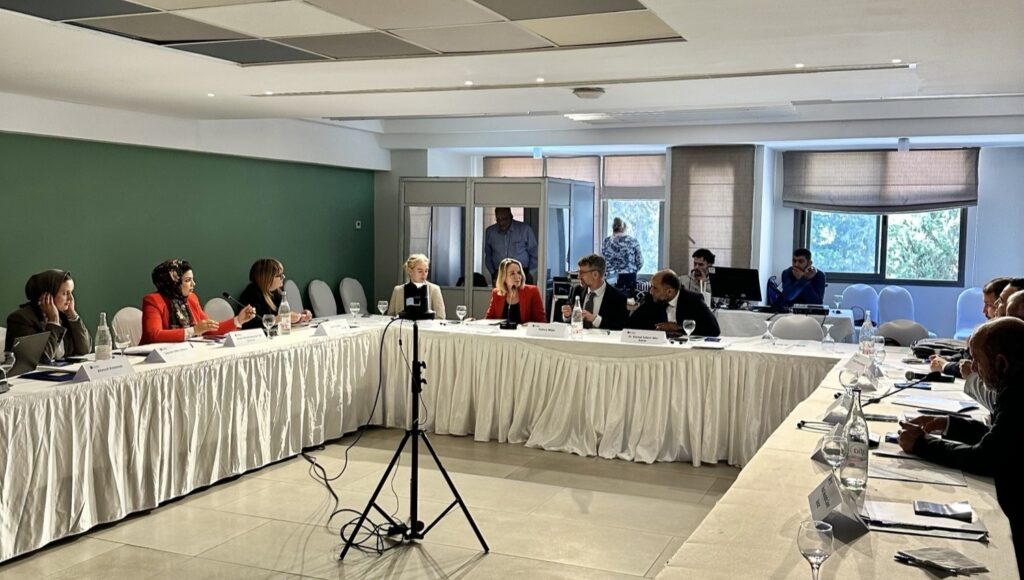
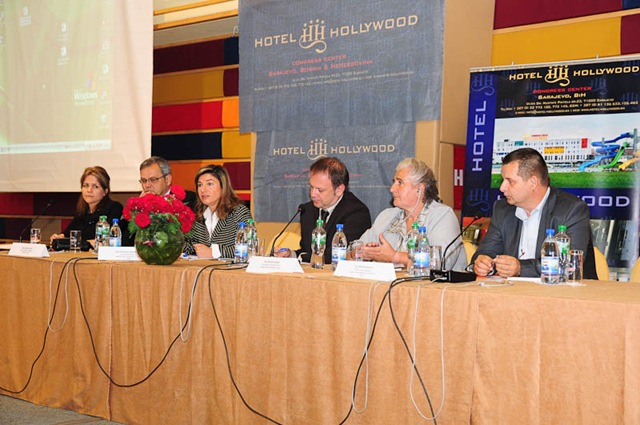
The Association of Mothers of Srebrenica and Zepa Enclaves, in cooperation with the International Commission on Missing Persons (ICMP) held a conference in Sarajevo entitled ‘The Challenges of Identifications and Burials of Mortal Remains of Missing Persons in Bosnia and Herzegovina.’Udruženje Pokret „Majke enklava Srebrenice i Žepe“, u saradnji sa Međunarodnom komisijom za nestale osobe (ICMP) u Sarajevu su organizovali konferenciju pod nazivom „Pitanja identifikacija i ukopa posmrtnih ostataka nestalih osoba u Bosni i Hercegovini“.
Na konferenciji se govorilo o problemima sa kojima se Bosna i Hercegovina suočava, a tiču se ekshumacije, identifikacije i zaključivanja slučajeva izmiješanih i razdvojenih posmrtnih ostataka ekshumiranih iz brojnih masovnih grobnica. Istaknut je i uticaj koji ovaj komplikovani process ima na porodice nestalih. Razgovaralo se o tome koji je najbolji način suočavanja sa tehničkim, pravnim i emotivnim problemima koji se pojavljuju prilikom zaključivanja slučajeva identifikovanih posmrtnih ostataka, ekshumiranih iz više masovnih grobnica.
Udruženje Pokret „Majke enklava Srebrenice i Žepe“ pokrenulo je ključne diskusije o ovom pitanju, koje će imati bitan uticaj na sva udruženja porodica nestalih osoba širom Bosne.
„Strašna je dilema sa kojom se moramo suočiti svi mi u udruženjima porodica nestalih osoba širom BiH“, rekla je Munira Subašić, predsjednica Udruženja „Majke enklava Srebrenica i Žepa“. „Za sve nas čiji su voljeni identifikovani na osnovu nepotpunih posmrtnih ostataka došao je bolan trenutak kada treba da donesemo odluku o tome da li ćemo sahraniti samo one ostatke koje imamo, jer se suočavamo sa sve manjim brojem informacija o lokacijama grobnica. Svi se moramo pripremiti za potresne i složene odluke koje su pred nama i podsjetiti se da se samo zajedničkim radom, kako smo uspješno radili i u prošlosti, možemo suočiti i pomiriti sa ovom stvarnošću.“
Na konferenciji je posebno naglašeno postojanje tehničkih poteškoća u vezi sa identifikacijom i pokopom posmrtnih ostataka srebreničkih žrtava. U zgradi ICMP-ovog Projekta identifikacije za Podrinje u Tuzli trenutno se nalazi više od 3,000 dijelova tijela identifikovanih putem analize DNK.
 „Dilema sa kojom se suočavaju srodnici ovih žrtava je da li da odmah pokopaju postojeće ostatke svojih voljenih ili da čekaju otkrivanje novih masovnih grobnica u kojima se mogu nalaziti ostali dijelovi tijela“, rekla je Kathryne Bomberger, generalna direktorica ICMP-a.
„Činjenica da je ICMP identifikovao 6,182 srebreničke žrtve govori o izvanrednom uspjehu i pobija ono što su mnogi tvrdili u početku – da je to nemoguće postići. Međutim, ovaj trijumf nauke sa sobom nosi i dodatnu ljudsku tugu: imamo 6,200 identifikovanih žrtava srebreničkog masakra, ali je svega 3,297 žrtava pokopano u Potočarima.
ICMP je od 2001. godine, kada se počela koristiti DNK analiza, do danas identifikovao ukupno 12,508 osoba iz Bosne i Hercegovine putem procesa identifikacije potpomognutog DNK analizom. Kada je u pitanju BiH, u ICMP-ovoj bazi podataka nalaze se DNK profili preko 69,000 krvnih uzoraka koje su donirali srodnici nestalih osoba i 25,852 koštana uzorka ljudskih ostataka.
The conference addressed and reviewed the challenges across Bosnia-Herzegovina of recovering, identifying and closing cases of co-mingled and disarticulated mortal remains recovered from multiple mass graves, and highlighted the impact of this difficult process on the families of the missing. Discussions were held on how best to confront the technical, legal and emotional challenges of closing cases of identified mortal remains recovered from multiple mass grave sites.
The Association of Mothers of Srebrenica and Zepa Enclaves are spearheading crucial discussions on the issue, which will have fundamental ramifications for every Family Association of Missing Persons across Bosnia.
„This is a terrible dilemma that all of us in every Family Association of Missing Persons across BiH must now confront,“ said Munira Subasic, President of the Association of Mothers of Srebrenica and Zepa Enclaves. „For all those of us who might so far have been able to make identifications based on partial remains of relatives and loved ones, it’s now time to confront the anguishing moment of deciding whether to bury just these remains, as information about new grave sites decreases. We must all prepare ourselves for the harrowing and complex decisions that lie ahead, and remind ourselves that only by working together as we have done successfully in the past can we confront and come to terms with this reality.“
A special emphasis was placed at the conference on the technical challenges regarding the identification and burial of mortal remains of Srebrenica victims. There are currently more than 3,000 DNA-identified body-parts recovered from multiple mass graves stored in ICMP’s Podrinje Identification Project facility in Tuzla.
„The dilemma faced by relatives of these victims is whether they should bury the existing remains of their loved ones immediately, or whether they should wait until new mass graves are discovered that may contain the remainder of the body,“ said ICMP’s Director-General Ms.Kathryne Bomberger.
„The fact that ICMP has made 6,182 identifications of Srebrenica victims is a remarkable success, and something that many people had said from the beginning would be impossible to accomplish. However, it is a success of science that brings with it a subsidiary human sadness: there might be nearly 6,200 named identifications made of Srebrenica victims, but there are only 3,297 victims buried at Potocari.“
The ICMP has made to date a total of 12,508 accurate, DNA-led identifications of individuals from Bosnia-Herzegovina since ICMP’s DNA system went online in 2001. In the case of BiH, ICMP has DNA profiles from over 69,000 blood samples collected from relatives and 24,825 bone samples from human remains on its database.