[:en]30 August 2011: The 30th of August is increasingly recognized throughout the world as the International Day of the Disappeared. On this day families of persons who have missing loved ones from armed conflicts and violations of human rights seek to draw attention to this issue and to ensure that authorities uphold the legal rights of the families of the disappeared to know the fate and whereabouts of a missing loved one.
The initiative to commemorate this day was taken by the Latin American Federation of Associations for Relatives of the Detained and Disappeared, which was founded in 1981 in Costa Rica and has since been recognized globally.
Hundreds of thousands of families of missing persons from Bosnia and Herzegovina, Croatia, Serbia, Kosovo, Montenegro, Cyprus, Iraq, Spain, Lebanon, Kuwait, Libya, Peru, Chile, Argentina, Colombia, Nepal, Guatemala, India, Pakistan, Algeria, El Salvador, Sri Lanka, Mexico, Yemen, Somalia, South Africa and many other countries around the world still live in an unending state of trauma and uncertainty. Individuals across the world are often the victims of enforced disappearance only because they belong to the “wrong” nationality, religion, race, class, gender or political group. Resolving missing persons cases is not only important to providing a sense of closure for individual families of the missing, but for the implementation of the rule of law and the establishment of peace and justice in countries affected by this issue.
The disappearance of loved ones has severe consequences on the relatives that are left behind, not least of which is the emotional trauma related to the uncertainty of the fate of a loved one whose disappearance may have been carried out by state actors or others acting on their behalf. The United Nations recognized the severity of this problem when its General Assembly adopted a Declaration on the Protection of all Persons from Enforced Disappearance as resolution 47/133 on December 18, 1992. In addition, the European Convention on Human Rights and the International Covenant on Civil and Political Rights guarantee family members the right to information concerning the fate and whereabouts of their loved ones. Although the International Convention on the Protection of all Persons from Enforced Disappearance has been adopted, most countries in the world are not a party to it; in addition, most governments have no domestic legislation that safeguards the rights of families of the missing.
This issue is especially sensitive in post-conflict environments and politically unstable areas, but some countries, notably countries in the Western Balkans, have taken bold steps to address this issue.
These steps include the creation of legislation on missing persons that allow families of the missing to access rights and benefits; the establishment of rule of law institutions to enable governments to search for missing persons in a transparent, accountable and non-discriminatory manner; the use of modern forensic techniques to search for and accurately identify the missing, as well as the enhanced engagement of prosecutors and courts to allow families of the missing to access justice.
In Bosnia and Herzegovina, thanks to the efforts of the authorities, the activism of family associations of missing persons, and the support of the international community, the human remains of two thirds of an estimated 30,000 missing persons from the conflicts have been accounted for, which is an unprecedented achievement when compared to other countries around the world.
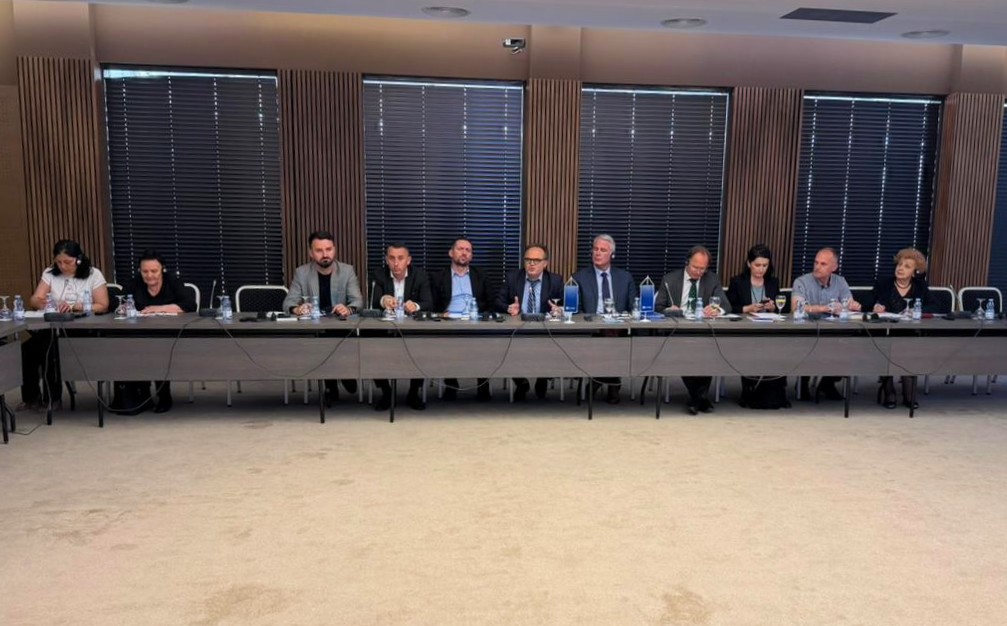
This year, families from the region, including those from Bosnia and Herzegovina, Croatia, Serbia and Kosovo decided to jointly mark this important day as a joint commemorative event in Brčko, BiH. The event was organized by family associations of missing persons represented by the Advisory Board of the BiH Missing Persons Institute in order to pay respects to all missing persons regardless of their ethnicity, religion or nationality and to emphasize that the process of locating, recovering and identifying the approximately 14,000 persons missing still from the region (of which approximately 10,000 are missing from BiH) must continue.
The International Commission on Missing Persons joins the families of the missing in commemorating those who went missing from armed conflict and violations of human rights around the world and takes this opportunity to commend the extraordinary achievements of the families who have missing relatives from the conflicts in the Western Balkans in working with their governments to account for the majority of missing persons from the armed conflicts of the 1990’s. In addition, we commend the efforts of the families of the missing from the Western Balkans to jointly honor the memory of all missing persons from the armed conflicts, regardless of their ethnic, religious or national origin.[:bs]Širom svijeta 30. avgust je priznat kao Međunarodni dan nestalih osoba. Na ovaj dan porodice čiji su članovi nestali u oružanim sukobima ili usljed kršenja ljudskih prava žele skrenuti pažnju na ovaj problem i učiniti da vlasti pomognu u ostvarivanju njihovog zakonskog prava – da saznaju sudbinu i mjesto na kome se nalaze njihovi voljeni.
Inicijativa za komemoraciju ovog međunarodno priznatog dana potekla je od Latinoameričke federacije udruženja zatočenih i nestalih osoba, osnovane 1981. godine u Kostariki.
Stotine hiljada članova porodica nestalih osoba iz Bosne i Hercegovine, Hrvatske, Srbije, Kosova, Crne Gore, Kipra, Iraka, Španije, Libana, Kuvajta, Libije, Perua, Čilea, Argentine, Kolumbije, Nepala, Gvatemale, Indije, Pakistana, Alžira, El Salvadora, Šri Lanke, Meksika, Jemena, Somalije, Južnoafričke Republike i mnoštva drugih zemalja još uvijek žive u stalnom stanju traume i nesigurnosti. Širom svijeta ljudi još uvijek bivaju prisilno zatvarani samo zato što pripadaju „pogrešnoj“ nacionalnosti, religiji, rasi, klasi, spolu ili političkoj grupaciji. Rasvjetljavanje slučajeva nestalih osoba nije važno samo kako bi njihove porodice dobile smiraj, nego je ključno za provedbu vladavine zakona i postizanje mira i ostvarenje pravde u pogođenim zemljama.
Nestanak najmilijih ima ozbiljne posljedice na porodice koje su ostale iza njih, a ništa manja je i emocionalna trauma koja je vezana uz neizvjesnost sudbine voljenih za čiji su nestanak mogući krivci državni akteri ili drugi koji su djelovali u njihovo ime. Ujedinjene nacije prepoznale su ozbiljnost ovog problema, a Generalna skupština UN-a 18. decembra 1992. godine usvojila je Deklaraciju o zaštiti svih osoba od prisilnog nestanka kao rezoluciju 47/133. Osim toga, Evropska konvencija o ljudskim pravima i Međunarodni pakt o građanskim i političkim pravima garantuju članovima porodica nestalih pravo na informaciju o sudbini i mjestu gdje se nalaze njihovi najmiliji. Iako je Međunarodna konvencija o zaštiti svih osoba od prisilnog nestanka usvojena, većina zemalja u svijetu nisu njene potpisnice; osim toga, većina vlada nema zakone koji bi štitili prava porodica nestalih.
Ovaj problem je posebno prisutan u postkonfliktnim društvima i politički nestabilnim područjima, ali neke države, kao što su zemlje Zapadnog Balkana, poduzele su hrabre korake na rješavanju ovog problema.
Ti koraci uključuju izradu zakona o nestalim osobama koje porodicama nestalih omogućavaju pristup pravima i povlasticama; uspostavu vladavine prava kako bi vlade imale mogućnost da potragu za nestalim osobama organizuju na transparentan, odgovoran i nediskriminirajući način; korištenje modernih forenzičkih tehnika za traženje i tačnu identifikaciju nestalih, kao i veću uključenost tužilaca i sudova čime se porodicama nestalih omogućuje da postignu pravdu.
U Bosni i Hercegovini, zahvaljujući naporima domaćih vlasti, aktivnom učešću udruženja porodica nestalih osoba i podršci međunarodne zajednice, pronađeni su posmrtni ostaci dvije trećine, od oko 30.000 osoba, koliko se procjenjuje da je nestalo u sukobima, što predstavlja postignuće bez premca u poređenju sa drugim zemljama.
Ove godine su porodice iz regije, uključujući Bosnu i Hercegovinu, Hrvatsku, Srbiju i Kosovo, odlučile zajedno obilježiti ovaj važni dan kroz komemoraciju održanu u Brčkom u BiH. Komemoraciju su organizovala udruženja porodica nestalih osoba, koje zastupa Savjetodavni odbor Instituta za nestale osobe Bosne i Hercegovine, kako bi odali počast svim nestalim osobama, bez obzira na njihovo etničko, religijsko ili nacionalno porijeklo. Cilj je bio naglasiti da se proces pronalaženja, ekshumacije i identifikacije preostalih 14.000 osoba u Regiji (od čega se oko 10.000 nestalih odnosi na BiH) mora nastaviti.
Međunarodna komisija za nestale osobe pridružuje se porodicama nestalih u sjećanju na sve nestale usljed oružanih sukoba i kršenja ljudskih prava širom svijeta, te koristi ovu priliku da istakne ogroman uspjeh porodica osoba nestalih u sukobima na Zapadnom Balkanu, koje su u saradnji sa svojim vladama uspjele pronaći veći dio osoba nestalih u oružanim sukobima tokom 1990-ih godina. Pored toga želimo istaći trud porodica nestalih iz Regije da zajednički odaju počast svim osobama nestalim usljed oružanih sukoba bez obzira na njihovo etničko, religijsko ili nacionalno porijeklo.
[:ar][:es][:]