When troops loyal to the government in Baghdad retook Tikrit in April, they discovered hundreds of bodies buried in mass graves near the River Tigris; hundreds more victims of Islamic State are believed to have been dumped in the river. This episode is just one piece in a blood-soaked mosaic: half a century of dictatorship and conflict have resulted in reports that there are up to one million missing persons in Iraq.
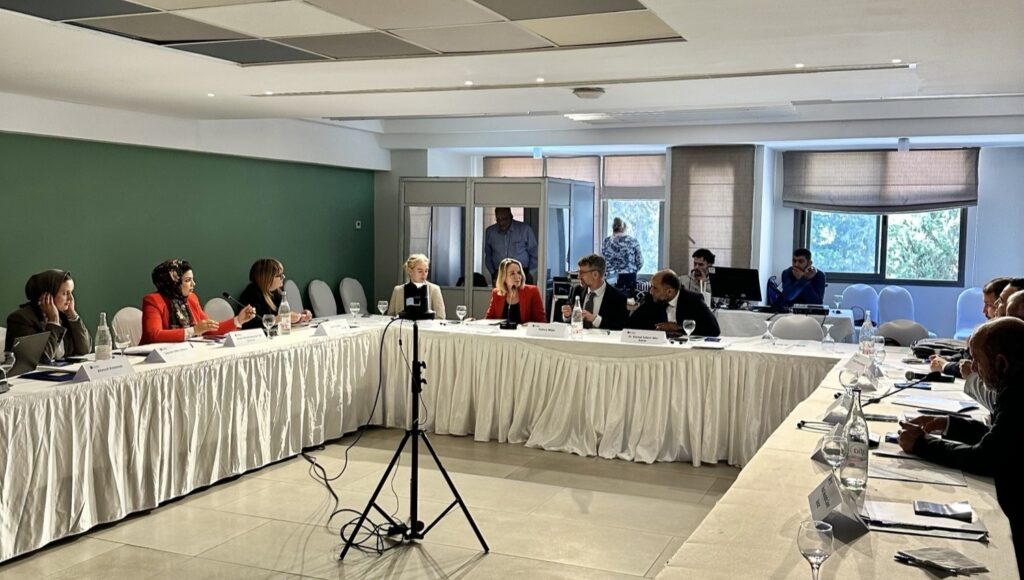
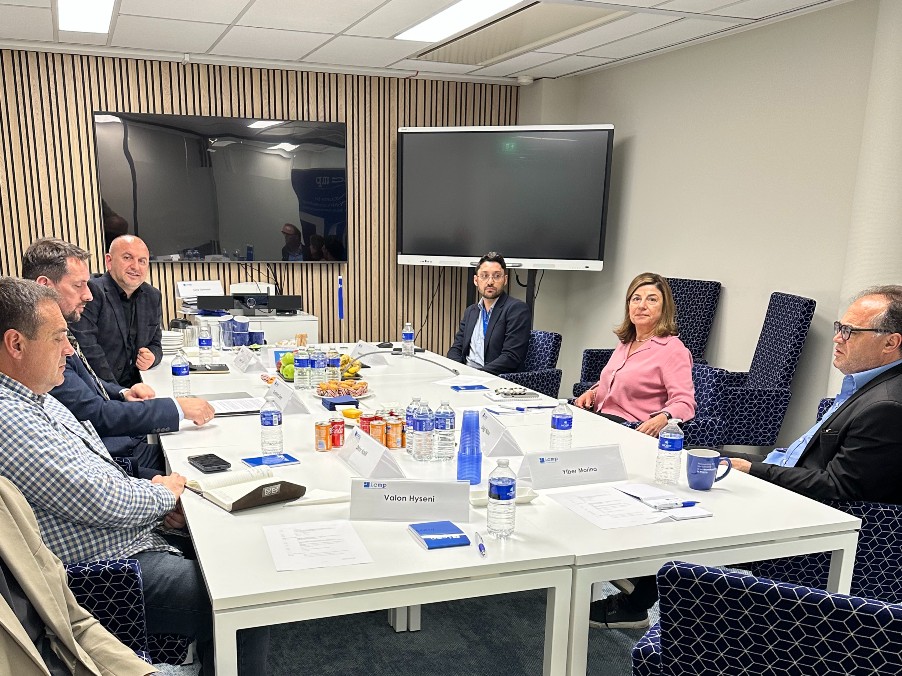
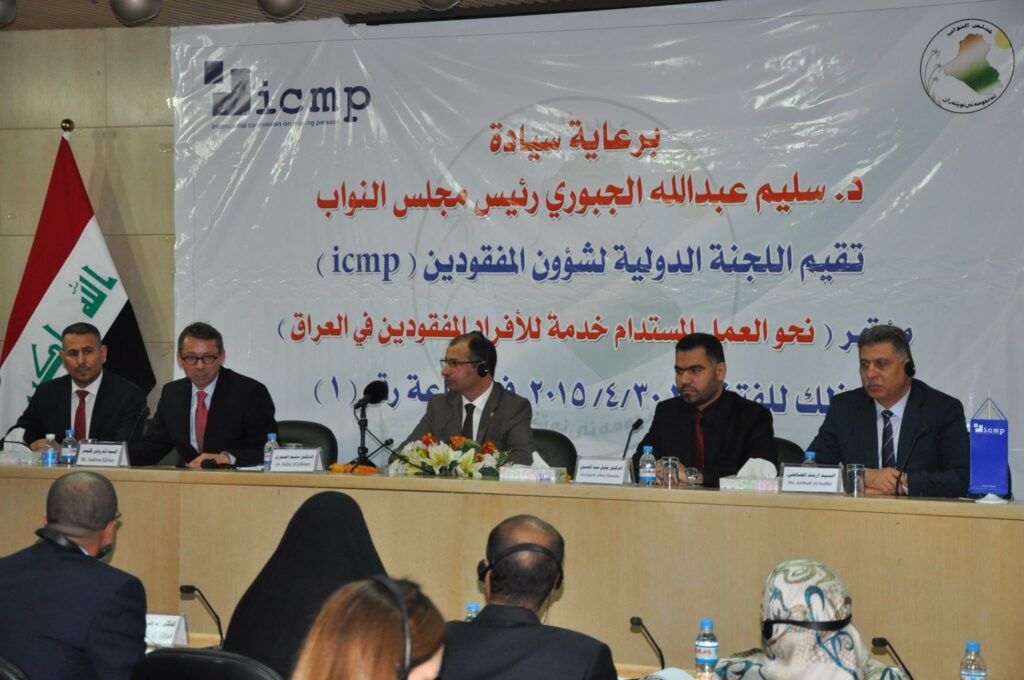
Speakers at conferences organized by the International Commission on Missing Persons (ICMP) in Baghdad and Erbil at the end of April and the beginning of May stressed the need to gather precise statistics as a preliminary step in tackling this issue, but one participant from an Iraqi women’s group summed up the nature and scale of the problem when she described missing persons as “the biggest and the oldest crisis facing our nation”.
ICMP has been addressing the issue in Iraq since 2003. We have trained more than 500 Iraqi technicians in methods of locating and documenting missing persons cases, including the use of advanced archeological, anthropological and DNA identification techniques, and we have worked with Iraqi institutions and civil society to enhance the missing persons process within an overarching rule-of-law framework.
The ministers, parliamentarians, legal experts and civil society activists who took part in the Baghdad and Erbil conferences displayed what is to my mind a remarkable combination of resolve and realism. There is a very clear understanding that accounting for the missing is an indispensable element in post-conflict recovery and – over the long-term – reconciliation. Societies have a human obligation to ameliorate the suffering of the bereaved by determining the fate of loved ones. In addition, there is a political imperative – because you cannot sustain functioning and accountable government on a foundation of injustice. Absence of certainty over the fate of the missing creates a vacuum in which suspicion and hatred will fester.
Even in the present unstable security and political situation it is essential that Iraq forges a long-term strategy on missing persons. This is an issue that has to be addressed if recovery, when it begins, is to succeed.
At ICMP’s Baghdad conference, Speaker of Parliament Salim Al-Jabouri called for a “road map” on accounting for missing persons through legal and judicial means. Participants at the meeting in the Parliament Building alluded to the importance of implementing the International Convention for the Protection of All Persons from Enforced Disappearance, which Iraq ratified in 2010, in particular in terms of defining the crime of enforced disappearance, developing the forensic approach to missing persons cases and improving the financial situation of families of the missing. They also discussed ways of integrating international norms in Iraqi legislation to ensure, for example, that government officials understand the rights of families of the missing, as prescribed in ICMP’s Declaration on the Role of the State in Addressing the Issue of Persons Missing as a Consequence of Armed Conflict and Human Rights Abuses.
Conference participants agreed that Iraq can only make progress on the basis of a comprehensive plan that is implemented in a coordinated manner in conjunction with political, administrative, and legal measures and fully supported by civil society.
The meeting in Erbil explored ways of coordinating the work of agencies responsible for dealing with missing persons, in the Parliament and Government of Kurdistan and with the authorities in Baghdad, in order to ensure that the missing can be located and accounted for in every part of the country.
Among other proposals, participants at the roundtables discussed the establishment of a common database in which information on missing persons could be listed comprehensively. Such a database could also allow families to record and access information online, a system that ICMP already operates in other countries.
There will be some who argue that in current circumstances implementing such a plan in Iraq is simply unrealistic. I disagree. The problem won’t be solved in the short term, but we must nonetheless begin working towards the long-term objective of accounting for the missing. The truth is that it would be unrealistic to imagine that Iraq can afford not to start tackling the problem.
Accounting for the missing is a fundamental and essential element in resolving the present conflict. If we simply do nothing, Iraqis will have up to a million reasons not to make peace.
Kathryne Bomberger is Director-General of the International Commission for Missing Persons عندما قامت القوات الموالية للحكومة في بغداد باستعادة تكريت في أبريل، اكتشفت مئات من الجثث التي دفنت في مقابر جماعية بالقرب من نهر دجلة؛ ويعتقد أن مئات من ضحايا الدولة الإسلامية ألقيت في النهر. هذه الحلقة هي قطعة واحدة فقط في فسيفساء غارقة في الدماء: أسفر نصف قرن من الدكتاتورية والصراع عن تقارير تفيد أن هناك ما يصل إلى مليون شخص في عداد المفقودين في العراق.
وأكد المتحدثون في المؤتمرات التي نظمتها اللجنة الدولية لشؤون المفقودين في بغداد وأربيل، في نهاية أبريل وبداية مايو، الحاجة إلى جمع إحصاءات دقيقة كخطوة أولية في معالجة هذه المسألة، ولكن مشارِكة واحدة من مجموعة النساء العراقيات لخصت طبيعة وحجم المشكلة عندما وصفت الأشخاص المفقودين بأنهم „أكبر وأقدم أزمة تواجه أمتنا“.
وقد عالجت اللجنة الدولية لشؤون المفقودين المسألة في العراق منذ عام 2003. لقد قمنا بتدريب أكثر من 500 من الفنيين العراقيين في طرق تحديد مواقع وتوثيق حالات الأشخاص المفقودين، بما في ذلك استخدام التقنيات الأثرية والأنثروبولوجية والتعرف على الهويات عن طريق الحمض النووي المتقدمة، وكنا نعمل مع المؤسسات العراقية والمجتمع المدني لتعزيز عملية المفقودين ضمن إطار شامل لسيادة القانون.
عرض وزراء وبرلمانيين وخبراء قانونيون ونشطاء المجتمع المدني الذين شاركوا في مؤتمرات بغداد وأربيل ما هو في رأيي مزيج رائع من تصميم وواقعية. هناك فهم واضح جدا أن البحث عن المفقودين هو عنصر لا غنى عنه في الانتعاش بعد انتهاء الصراع و- على المدى الطويل – في المصالحة. على المجتمعات التزام إنساني لتخفيف معاناة الفاقدين من خلال تحديد مصير الأحباء. وبالإضافة إلى ذلك، هناك ضرورة سياسية – لأنه لا يمكنك الحفاظ على الحكومة الفاعلة والمسؤولة على أساس من الظلم. غياب اليقين بشأن مصير المفقودين يخلق فراغا سوف يتفاقم الشك والكراهية فيه.
حتى في الأوضاع الحالية الأمنية والسياسية غير المستقرة من الضروري أن يضع العراق استراتيجية طويلة الأجل بشأن المفقودين. هذه قضية لابد من معالجتها لكي ينجح الإنتعاش عندما يبدأ.
في مؤتمر اللجنة الدولية لشؤون المفقودين في بغداد، دعا رئيس البرلمان سليم الجبوري إلى „خارطة الطريق“ للبحث عن الأشخاص المفقودين من خلال الوسائل القانونية والقضائية. ألمح المشاركون في الاجتماع الذي عقد في مبنى البرلمان إلى أهمية تنفيذ الاتفاقية الدولية لحماية جميع الأشخاص من الاختفاء القسري، الذي صادق عليه العراق في عام 2010، ولا سيما من حيث تعريف جريمة الاختفاء القسري، وتطوير منهج الطب الشرعي لحالات الأشخاص المفقودين وتحسين الوضع المالي لأسر المفقودين. كما ناقشوا سبل إدماج المعايير الدولية في التشريعات العراقية لضمان، على سبيل المثال، أن المسؤولين الحكوميين يفهمون حقوق أسر المفقودين، على النحو المنصوص عليه في إعلان اللجنة الدولية لشؤون المفقودين بشأن دور الدولة في معالجة قضية المفقودين نتيجة الصراع المسلح وانتهاكات حقوق الإنسان.
واتفق المشاركون في المؤتمر على أن العراق يمكن أن يحقق تقدما فقط على أساس خطة شاملة يتم تنفيذها بطريقة منسقة بالتزامن مع التدابير السياسية والإدارية والقانونية وبدعم كامل من المجتمع المدني.
بحث الاجتماع الذي عقد في أربيل سبل تنسيق عمل الهيئات المسؤولة عن التعامل مع الأشخاص المفقودين، في مجلس النواب وحكومة كردستان ومع السلطات في بغداد، من أجل ضمان إمكان تحديد موقع المفقودين والتعرف عليهم في كل جزء من أجزاء البلد.
ومن بين المقترحات الأخرى، ناقش المشاركون في المائدة المستديرة إنشاء قاعدة بيانات مشتركة فيها معلومات عن المفقودين يمكن سردها بشكل شامل. مثل قاعدة البيانات هذه تسمح أيضا للأسر بتسجيل المعلومات والوصول إليها عبر الإنترنت، وهو النظام الذي تشغله اللجنة الدولية لشؤون المفقودين بالفعل في بلدان أخرى.
سيكون هناك بعض الذين يزعمون أن تنفيذ مثل هذه الخطة، في الظروف الحالية، في العراق هو ببساطة غير واقعي. أنا أعترض. لن تحل المشكلة على المدى القصير، ولكن يجب علينا مع ذلك بدء العمل على تحقيق الهدف طويل الأجل للعثور والتعرف على المفقودين. الحقيقة هي أنه سيكون من غير الواقعي أن نتصور أن العراق يمكن أن يتحمل عدم بدء معالجة المشكلة.
البحث والتعرف على المفقودين هو عنصر أساسي وضروري في حل النزاع الراهن. إن كنا، ببساطة، لا نفعل شيئا، سوف يكون للعراقيين مليون سبب لعدم إحلال السلام.
كاترين بومبرجر هي المديرة العامة للجنة الدولية لشؤون المفقودين